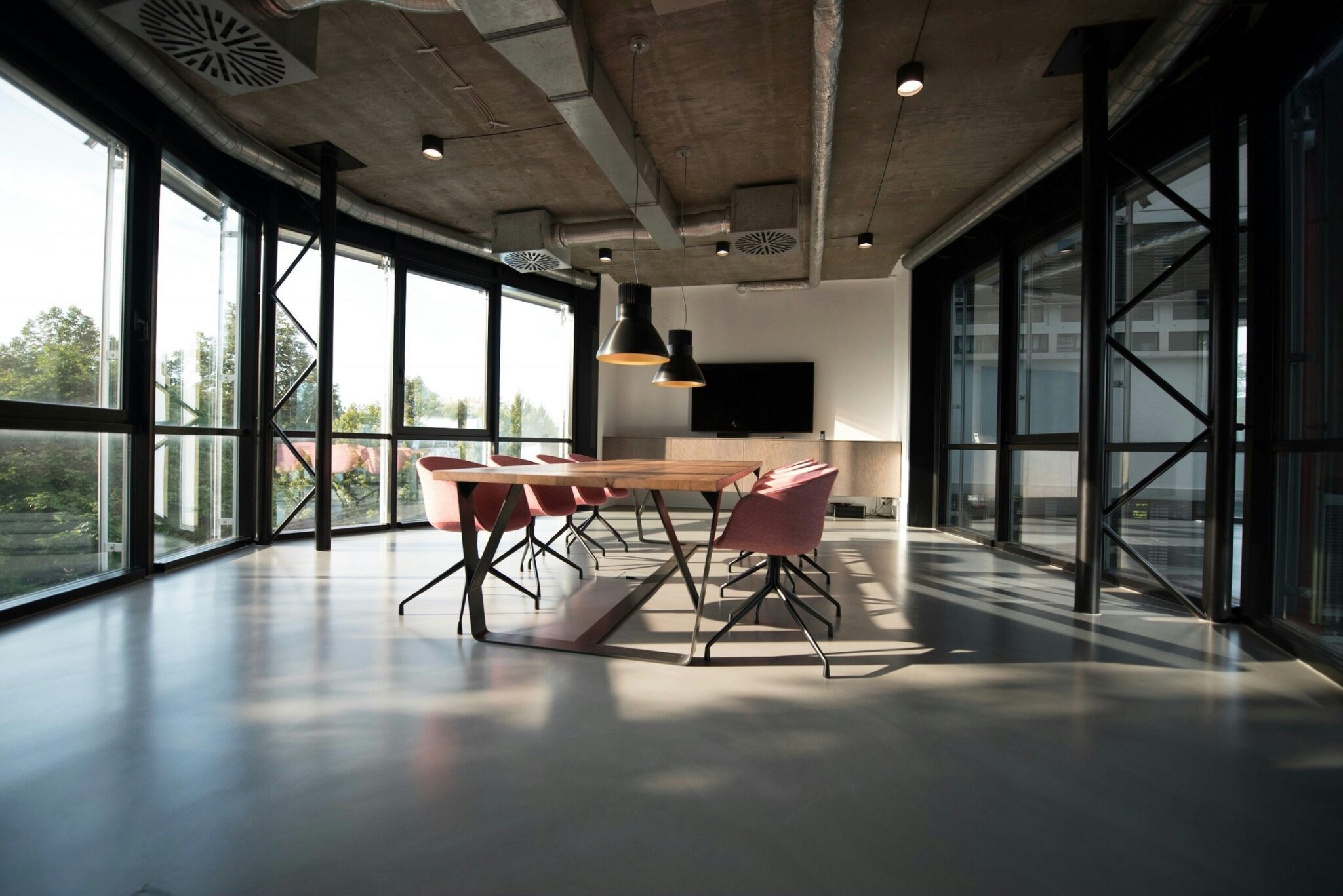
First impressions matter when clients step into a commercial property. The ground beneath their feet sets the tone for the entire business environment. Cracks, stains, and worn surfaces signal neglect, driving away top-tier clients who expect pristine facilities.
Upgrading commercial floors provides a fresh start for aging buildings. Property owners frequently look at walls or lighting when planning upgrades, ignoring the surface that endures the most abuse. A complete floor transformation breathes new life into commercial spaces, turning dull rooms into clean workspaces.
Shifting Perspectives on Property Maintenance
Commercial real estate requirements change constantly as businesses seek modern layouts. Investing in professional equipment setups like Niagara Machine grinding systems makes a massive difference in surface preparation before laying down new materials. Utilizing the proper machinery helps crews complete heavy work without unnecessary project delays.
Industrial spaces profit immensely from these upgrades. Facility upgrades remain a top priority for forward-looking real estate investors who want to retain market relevance. High-quality floors elevate the perception of the workspace immediately.
Adapting to New Office Realities
The modern corporate market demands flexibility as remote work models alter traditional office utilization. Data published by a New York university research group indicates that corporations need significantly less physical office space as remote working practices remain popular.
Property managers must find innovative ways to attract occupants to these shrinking corporate footprints. Polished, high-end flooring presents a premium look that co-working spaces utilize to justify higher rental rates. Landlords who invest in premium floor finishes find it much easier to secure long-term lease agreements. Modern aesthetics turn outdated cubicle mazes into collaborative centers that employees want to visit daily.
Budgeting Renovations for Long-Term Value
Predicting the financial requirements for upgrading an older building remains a complex task for management teams. An industry paper on European construction practices noted that accurate early-stage cost forecasting for renovation projects is difficult since high-quality data is often scarce. Making early investments in heavy-duty flooring reduces unexpected maintenance fees down the road.
Durable surfaces withstand constant foot traffic, preventing frequent repair needs. Strategic planners allocate funds for these surface overhauls early in the acquisition process to prevent budget surprises. This proactive approach keeps long-term operational costs predictable and manageable for the management team.
Selecting Modern Repair Solutions
Older concrete bases often require specialized compounds before receiving a final topcoat. A 2024 materials science study reported that the global market for certified dry ready-mix repair mortars is projected to grow at a compound annual rate of over 6% from 2023 to 2028. This growth reflects an increasing reliance on robust materials to fix aging concrete infrastructures worldwide. Property owners rely on these quick-setting mixtures to minimize operational downtime during major overhauls.
Financial Gains From Aesthetic Improvements
Upgraded flooring changes how prospective occupants view a building’s monetary worth. A university study tracking commercial property metrics revealed that major revitalization projects boosted gross income by up to 82% and increased property value by up to 84%.
These staggering figures demonstrate that interior aesthetics directly correlate with corporate profitability. Managers use these metrics to justify larger renovation budgets to stakeholders. Improved visual appeal helps properties stand out in a competitive leasing environment.
Direct Savings and Environmental Benefits
The perks of a thorough floor remodel extend beyond simple visual aesthetics. A European building evaluation showed that localized revitalization efforts produced PLN 41.15 million in total benefits, with PLN 28.13 million from direct cost savings and PLN 13.02 million from environmental improvements. These substantial savings highlight the green advantages of modern construction choices. Property owners achieve better long-term returns when combining financial prudence with eco-friendly updates.
Key Outcomes of Surface Revitalization
Property managers observe several distinct advantages after executing a complete floor overhaul:
- Clean surfaces minimize dust accumulation in high-traffic retail spaces.
- Light-colored floor coatings brighten dark warehouse corners.
- Modern sealants protect underlying concrete from moisture penetration.
- Textured finishes reduce workplace accidents by improving traction.
Managing the Refinishing Process Cleanly
Modern grinding techniques eliminate the thick layers of old coatings safely. A practical engineering report noted that polishing a 1.5 mm thick concrete surface generates approximately 9.5 kg of sludge per square meter. Industrial operations must plan for this byproduct to maintain an orderly job site. Disposing of this material responsibly prevents environmental contamination near the commercial facility.
Working with experienced contractors guarantees that proper disposal protocols are followed. Crews use specialized vacuums to capture fine dust before it spreads through the ventilation system. This containment protects workers and keeps the surrounding inventory clean during construction.
Choosing the Right Finishes for Heavy Traffic
Different zones within a commercial facility demand customized flooring solutions to maximize durability. Retail spaces benefit from high-gloss polishes that attract customers, whereas manufacturing zones require heavy-duty epoxy coatings to handle chemical spills.
Selecting the correct application prevents early degradation under heavy machinery loads. Property owners save thousands of dollars over the lifespan of the building by matching the material to the specific task. Choosing the wrong coating leads to premature peeling and additional operational disruptions.
Neglecting the floor grid compromises safety and lowers property valuation across the entire market. Taking action to revitalize these spaces underfoot positions a commercial building for long-term financial success.