A spotless kitchen is the result of good cleaning habits, but not only. Kitchens are used repeatedly throughout the day. It would be unrealistic to clean the kitchen each time you cook. So what is the trick to keep those beautiful kitchens fresh, polished, and effortlessly maintained? There is usually something else that ensures your regular maintenance chores can last longer: Smarter design choices from the beginning.
Luxury kitchens are often admired for their appearance, but the best ones are also designed around their functions. This enables them to minimize the mess of cooking so that maintenance doesn’t turn into a burden.
Here are some of the most important tips that work behind the scenes to create that spotless effect:
A Properly Sized High-Performance Hood
A high-quality hood does much more than remove cooking odors. Proper ventilation also helps reduce grease particles, smoke, moisture, and other airborne residue, which would otherwise settle on surrounding surfaces.
But the size of your hood matters as much as its quality. A hood that is too small may struggle to capture grease and steam effectively. This would lead to buildup spreading onto cabinets, walls, lighting fixtures, and anywhere it can reach.
In larger kitchens, selecting a hood that properly matches the cooking surface can create a noticeable difference when keeping the space clean over time. Ultimately, this guarantees the right level of airflow that matches your cooking area.
A Durable & Easy-to-Clean Backsplash
Walls directly behind cooking areas deal with a surprising amount of abuse, even if you are a careful cook.
Oil splatters and sauce spills are some of the most common issues. But steam can also bring food residues to the surface. In the long term, this can result in visible marks around the prep and cooking spaces. That is why a well-designed backsplash can act as a protective barrier, while also affecting the overall aesthetic of the room.
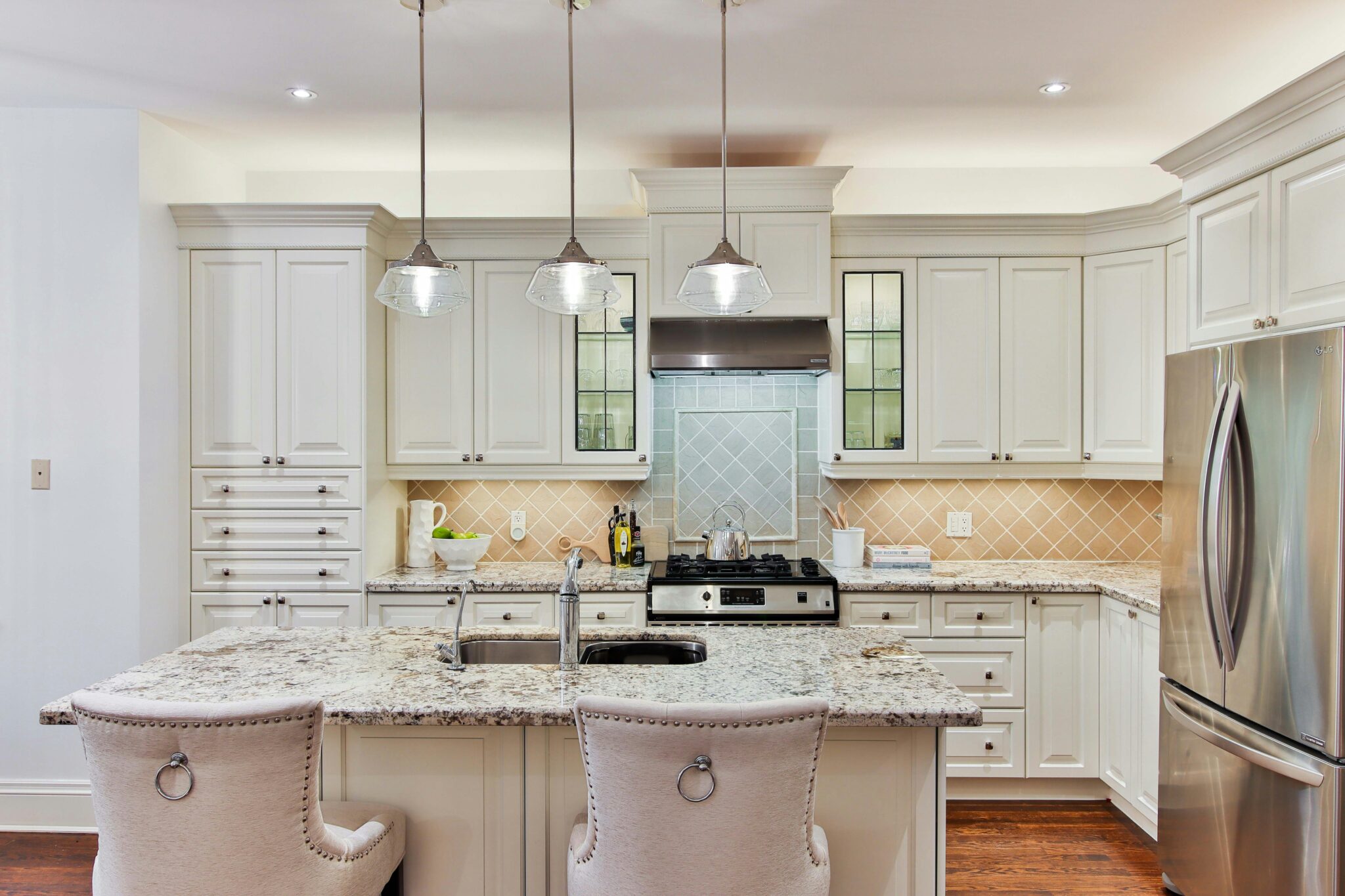
Luxury kitchen designers select quality materials that make maintenance significantly easier, such as ceramic tile for kitchen backsplash, which can provide both an attractive and durable solution. Ceramic surfaces are generally more resistant to moisture and easier to wipe down. So, they are well-suited to handle the realities of everyday cooking, while avoiding the impersonal stainless steel backsplash design that can bring the decor down.
Countertop Materials
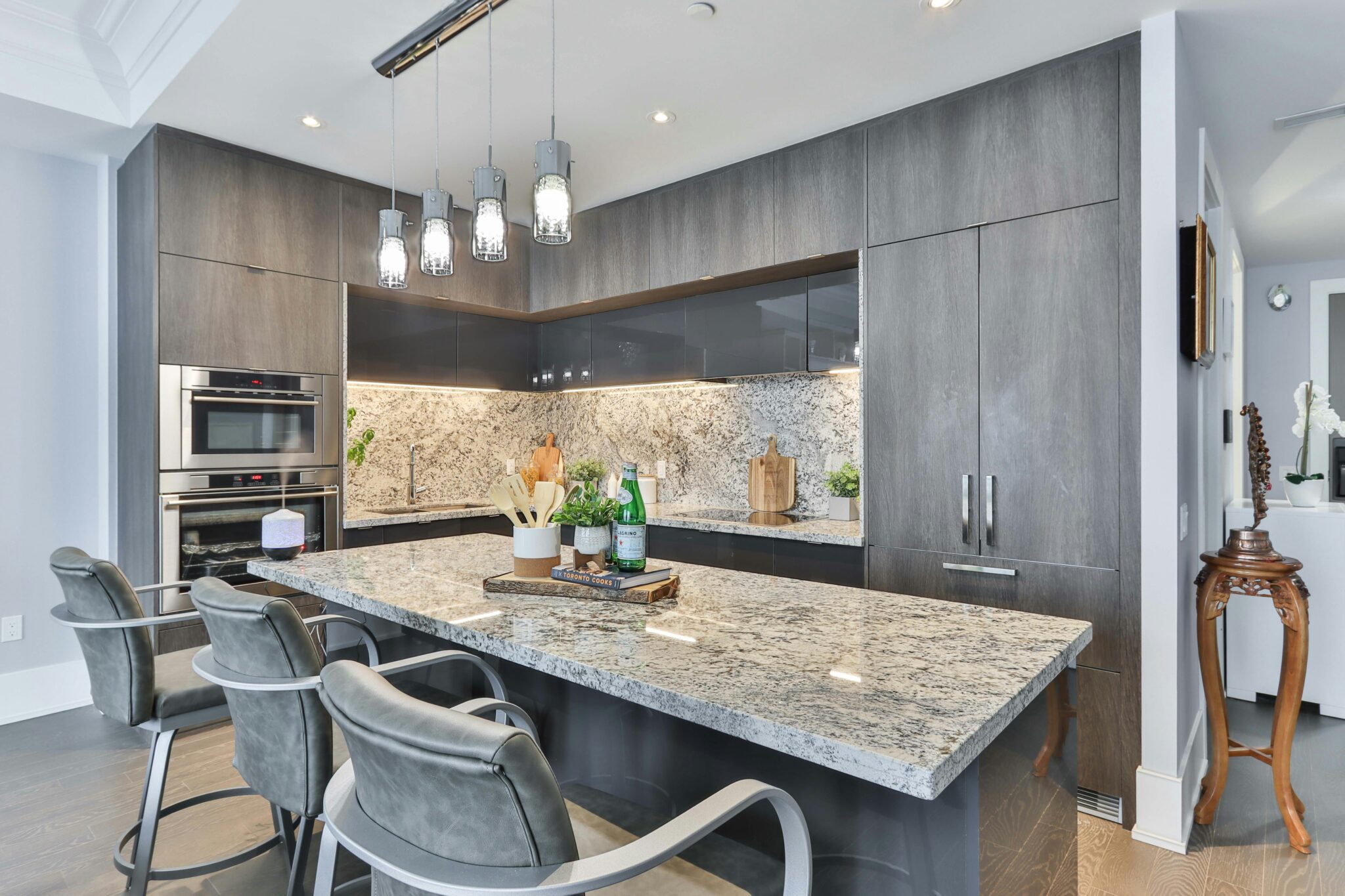
Luxury kitchens prioritize surfaces that are both beautiful and practical. Materials that resist both moisture and bacterial accumulation can contribute to a cleaner environment. In the kitchen, non-porous materials can be particularly valuable to reduce the presence of allergens and bacteria. Quartz countertops are considered one of the strongest options, as their surface resists bacteria, stains, and moisture absorption.
Similarly, granite countertops are also a suitable option. However, the natural stone tends to require proper sealing before use. It may also need more maintenance than quartz.
Paint Designed for Real Kitchen Conditions
Traditional interior paint can gradually show marks and absorb stains. In a busy kitchen, your walls can be difficult to maintain. So, the priority for a kitchen designer is to bring higher-end washable paints, specifically designed to handle the challenges of the kitchen.
Moisture-resistant finished handle humidity and let you clean splashes and stains. Some of the preferred brands in the kitchen are Benjamin Moore and Sherwin-Williams, for durable paint lines that are also stylish.
Investing in a kitchen that cleans itself is a no-brainer when you want to enjoy your space for longer without sacrificing the joy of cooking and hosting dinners.