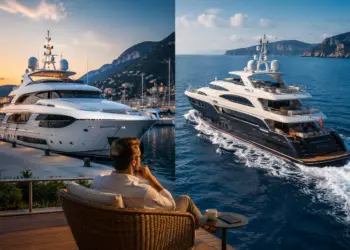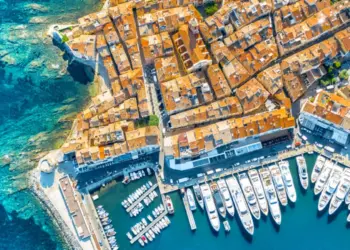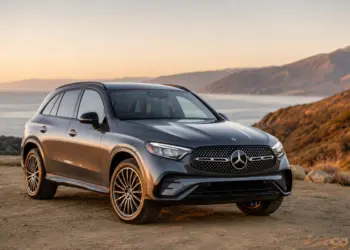
In 2026, Quiet Luxury has evolved far beyond fashion. It now shapes how affluent individuals travel, commute, and define status itself. Across global wealth circles, understated executive SUVs, chauffeured sedans, and discreet luxury mobility increasingly replace loud exotic supercars as symbols of prestige. Meanwhile, many old-money families now prioritize privacy, emotional comfort, and operational convenience over visual spectacle.
For decades, flashy supercars represented success through visibility. However, wealthy buyer psychology has shifted considerably. Affluent consumers increasingly associate overt status signaling with social-media culture, celebrity branding, and temporary visibility rather than long-term sophistication. As a result, many ultra-high-net-worth buyers now gravitate toward refined vehicles that communicate confidence through restraint.
This transformation reflects broader cultural changes inside modern wealth culture. Quiet cabins, handcrafted interiors, and seamless mobility experiences now carry greater social value than aggressive styling or extreme horsepower figures. Moreover, luxury vehicles increasingly function as private environments for work, wellness, and family life rather than public attention magnets.
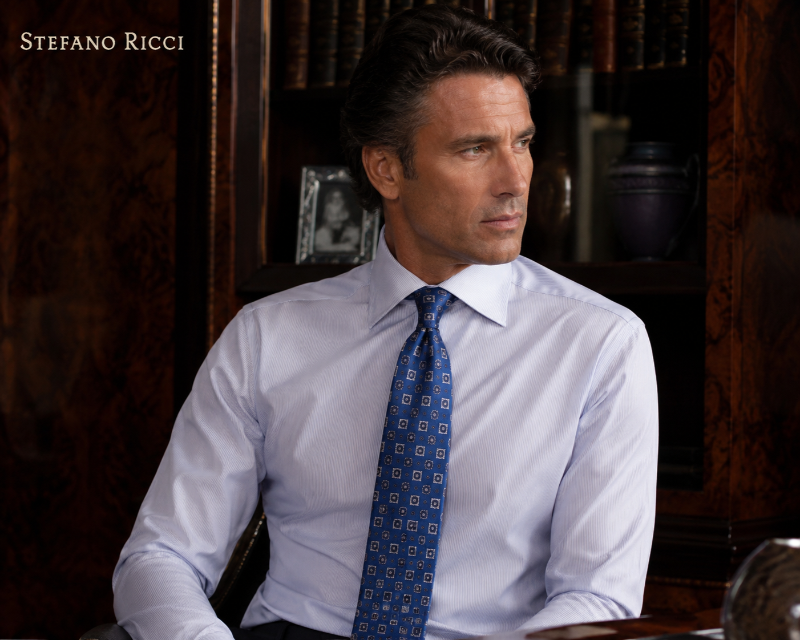
Old-money culture has traditionally favored discretion over visibility. Nevertheless, younger wealthy consumers are also embracing stealth-wealth aesthetics through understated fashion, muted branding, and executive luxury vehicles. Consequently, Quiet Luxury now influences both affluent identity and transportation trends worldwide.
Although supercars still attract attention and maintain collector appeal, many wealthy buyers increasingly view executive mobility as more practical, refined, and emotionally rewarding. Therefore, the luxury automotive market continues moving toward comfort-first experiences rather than attention-seeking ownership.
Why Old Money Prefers Understatement?
Old-money culture has always operated differently from new-money visibility. Generational wealth typically values stability, discretion, and continuity rather than public demonstrations of success. Consequently, understated luxury often communicates stronger status within elite social circles than highly visible consumption.
For many affluent families, confidence eliminates the need for constant recognition. A discreetly specified luxury SUV or chauffeur-driven sedan signals cultural familiarity with wealth rather than the desire to prove financial success. Moreover, old-money households frequently associate loud supercars with temporary attention rather than enduring prestige.
Quiet Luxury also aligns with emotional security. Wealthy individuals often prioritize privacy because visibility creates operational inconveniences. For example, highly recognizable exotic vehicles attract unwanted photography, public attention, and social intrusion. In contrast, understated executive vehicles allow affluent owners to move through cities with greater comfort and anonymity.
Additionally, subtle luxury reflects social fluency. Within elite environments, people often recognize craftsmanship, tailoring, and refinement without obvious branding. The same principle applies to mobility choices. A carefully configured executive SUV communicates sophistication differently than a brightly colored supercar parked outside a luxury hotel.
Several behavioral patterns define this shift:
- Discretion increasingly functions as a confidence signal
- Wealthy buyers value privacy over public validation
- Understated craftsmanship feels more culturally refined
- Executive comfort now outweighs visual spectacle
- Practical prestige carries stronger long-term appeal
Meanwhile, affluent consumers increasingly reject aggressive status competition. In contrast to previous decades, many wealthy individuals now view restraint as more elegant than overt visibility. Consequently, Quiet Luxury continues gaining influence across automotive culture.
How Quiet Luxury Changed the Luxury-Car Market?
The luxury automotive market has adapted rapidly to evolving affluent behavior. Executive SUVs now dominate premium sales growth because they combine comfort, practicality, privacy, and prestige within a single ownership experience. Moreover, wealthy buyers increasingly prioritize usability over dramatic design.
Vehicles from brands like Rolls-Royce, Bentley, Range Rover, Mercedes-Maybach, and Lexus increasingly emphasize cabin refinement, noise isolation, and personalized comfort rather than aggressive styling. As a result, luxury mobility now feels closer to a private hospitality experience than a traditional driving experience.
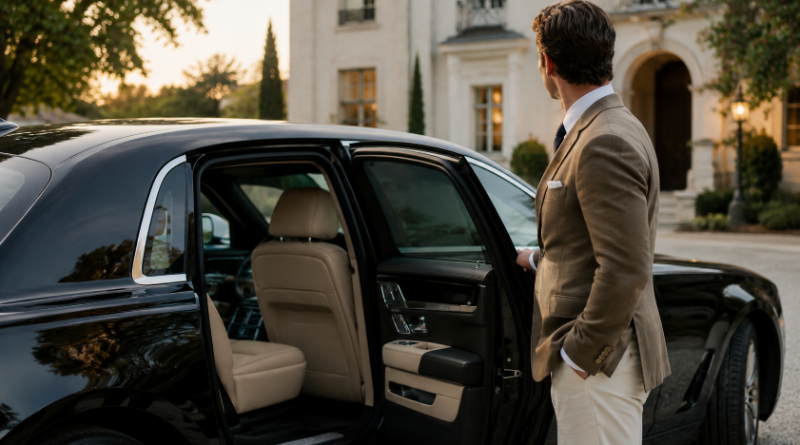
Chauffeured transportation has also expanded significantly among affluent households. Many executives now use travel time for productivity, recovery, or family coordination. Therefore, rear-seat comfort, connectivity, and stress reduction have become essential purchasing factors.
Additionally, discrete exterior styling has become more desirable. Wealthy buyers increasingly prefer vehicles that blend into urban environments while still offering exceptional craftsmanship internally. This balance allows owners to enjoy prestige without excessive visibility.
Key market trends include:
- Rising demand for executive SUVs
- Growth of chauffeur-driven lifestyles
- Increased emphasis on cabin quietness
- Higher interest in wellness-oriented interiors
- Stronger focus on long-distance usability
Consequently, Quiet Luxury has transformed how automakers design flagship vehicles. Performance still matters; however, emotional comfort and practical refinement increasingly shape affluent purchasing behavior.
Quiet Luxury Vehicles Preferred by Wealthy Buyers
| Vehicle Type | Luxury Appeal | Main Buyer Motivation | Lifestyle Benefit | Wealth Signaling Style |
|---|---|---|---|---|
| Executive SUV | Comfort and versatility | Privacy and usability | Family and business flexibility | Understated prestige |
| Chauffeured Sedan | Rear-seat refinement | Productivity and relaxation | Stress-free mobility | Quiet authority |
| Luxury Hybrid SUV | Sustainability with comfort | Practical sophistication | Efficient long-distance travel | Modern restraint |
| Full-Size Luxury SUV | Security and convenience | Daily operational ease | Urban and suburban adaptability | Discreet confidence |
| Ultra-Luxury Sedan | Craftsmanship and serenity | Emotional comfort | Personalized travel environment | Heritage elegance |
Why Flashy Supercars Are Losing Cultural Influence?
Flashy supercars still dominate social media visibility. However, cultural exclusivity has weakened considerably. Oversaturation through influencer marketing and celebrity exposure has reduced the sense of rarity that once defined exotic automotive ownership.
For many affluent buyers, supercars now feel heavily associated with performative wealth. Consequently, old-money families often avoid vehicles that appear designed primarily for attention. Moreover, highly visible ownership can create security concerns, especially in dense urban environments or internationally connected lifestyles.
Practical limitations also influence purchasing behavior. Supercars frequently sacrifice comfort, luggage capacity, ride quality, and ease of entry for dramatic styling and extreme performance. In contrast, executive SUVs and discreet luxury sedans provide far greater usability without sacrificing prestige.
Additionally, affluent lifestyles increasingly revolve around operational efficiency. Wealthy individuals often travel between offices, residences, airports, and private events throughout the day. Therefore, vehicles optimized for comfort and flexibility naturally align better with real-world affluent mobility patterns.
Several factors accelerate this shift:
- Social media reduced exclusivity perception
- Influencer culture changed luxury symbolism
- Practical limitations affect daily usability
- Privacy concerns discourage high visibility
- Executive mobility now prioritizes convenience
Nevertheless, collectors still value limited-production exotic cars. However, mainstream affluent ownership trends increasingly favor refinement over spectacle. Consequently, Quiet Luxury continues reshaping premium automotive demand.
The Psychology Behind Quiet Luxury Transportation
The psychology of Quiet Luxury centers on emotional experience rather than external validation. Wealthy buyers increasingly view vehicles as personal environments that support focus, wellness, and comfort throughout demanding schedules.
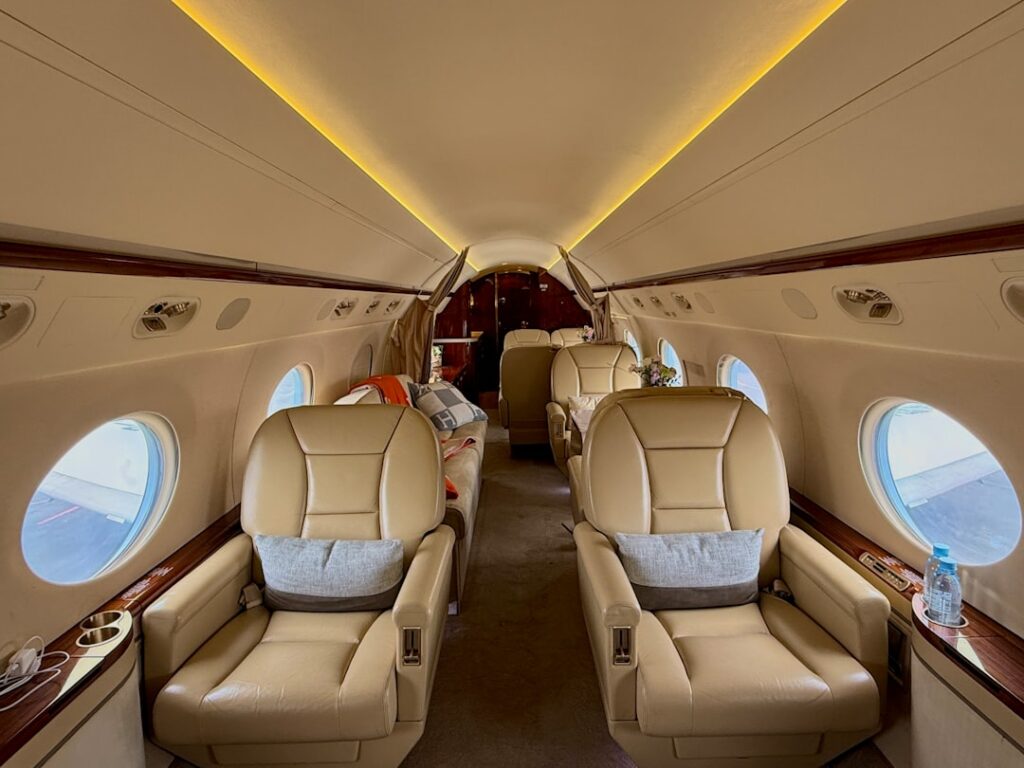
Quiet cabins now function as emotional assets. Reduced noise levels lower stress and create mental separation from crowded urban environments. Meanwhile, massage seating, ambient lighting, advanced climate systems, and refined materials contribute to a sense of recovery during travel.
Executive productivity also influences purchasing decisions. Many affluent professionals use vehicle time for calls, meetings, or preparation between appointments. Consequently, discreet luxury transportation often serves as a mobile office environment rather than simply a transportation tool.
Moreover, understated luxury supports emotional confidence. Buyers who feel secure in their status rarely require constant public recognition. Instead, they value craftsmanship, convenience, and personal satisfaction more deeply than visible spectacle.
Modern affluent transportation priorities increasingly include:
- Emotional comfort during travel
- Stress reduction and wellness integration
- Quiet, distraction-free environments
- Long-distance usability
- Ownership practicality and resale stability
At the same time, wealthy buyers still appreciate performance and engineering excellence. However, they increasingly prefer balanced refinement over extreme performance figures. Therefore, Quiet Luxury appeals because it combines capability with discretion.
Quiet Luxury vs Flashy Supercar Ownership
| Category | Quiet Luxury Approach | Flashy Supercar Approach | Affluent Buyer Trend | Long-Term Market Direction |
|---|---|---|---|---|
| Status Signaling | Subtle sophistication | High visibility | Shift toward restraint | Understated prestige growth |
| Daily Usability | Highly practical | Often limited | Comfort prioritized | Executive mobility expansion |
| Privacy | Strong anonymity | Constant attention | Privacy increasingly valued | Discreet mobility demand |
| Emotional Experience | Calm and restorative | Excitement-focused | Wellness emphasis rising | Comfort-first design |
| Ownership Flexibility | Family and business friendly | Lifestyle-specific | Multi-role vehicles favored | SUV dominance continues |
Why SUVs and Chauffeured Mobility Dominate Modern Wealth Culture?
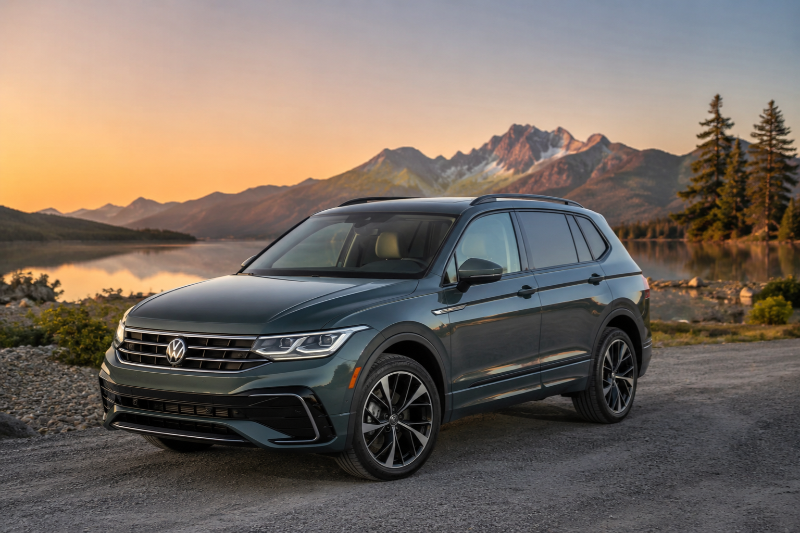
Executive SUVs increasingly dominate affluent transportation because they align perfectly with modern luxury lifestyles. Vehicles like the Range Rover combine elevated seating positions, refined interiors, and versatile usability within an understated design language.
Meanwhile, Mercedes-Maybach models emphasize executive comfort through rear-seat experiences optimized for productivity and relaxation. Similarly, Rolls-Royce continues redefining automotive serenity through exceptional cabin isolation and handcrafted personalization.
Additionally, Lexus attracts affluent buyers seeking reliability, refinement, and low-drama ownership experiences. Many wealthy consumers increasingly value operational consistency over attention-seeking design.
Chauffeured transportation ecosystems have also expanded globally. High-net-worth individuals increasingly employ professional drivers for convenience, scheduling efficiency, and stress reduction. Consequently, rear-seat comfort now matters more than aggressive driver-focused dynamics for many affluent households.
Several factors support this trend:
- Executive SUVs provide lifestyle flexibility
- Chauffeured mobility increases productivity
- Quiet cabins enhance emotional comfort
- Luxury buyers prioritize convenience
- Practical prestige feels culturally modern
Therefore, luxury mobility increasingly centers on usability and refinement rather than spectacle alone.
Younger Millionaires Are Also Embracing Quiet Luxury
Interestingly, Quiet Luxury no longer belongs exclusively to old-money families. Younger millionaires increasingly adopt stealth-wealth aesthetics across fashion, travel, and automotive preferences.
Many affluent younger consumers grew up during the social-media era and now actively reject excessive branding. Consequently, understated fashion labels, muted color palettes, and discreet luxury vehicles feel more sophisticated than highly visible consumption.
Flexible lifestyles also shape these preferences. Younger wealthy buyers frequently balance business travel, wellness routines, remote work, and family responsibilities simultaneously. Therefore, practical prestige often feels more relevant than dramatic automotive statements.
Additionally, cultural attitudes toward wealth have evolved. Many younger affluent consumers prefer authenticity, privacy, and emotional comfort over performative luxury. In contrast to previous decades, visible excess sometimes feels socially outdated rather than aspirational.
This generational shift includes:
- Preference for understated aesthetics
- Reduced interest in logo-heavy luxury
- Higher focus on emotional well-being
- Stronger emphasis on flexibility
- Greater appreciation for discreet craftsmanship
Consequently, Quiet Luxury now defines a broader affluent identity rather than a niche old-money philosophy.
Quiet Luxury and the Rise of Wellness-Focused Mobility
Wellness increasingly influences luxury transportation design. Quiet interiors, ergonomic seating, advanced air filtration, and personalized climate systems now function as premium status symbols because they improve daily emotional experience.
Affluent buyers increasingly value stress-free mobility environments. Long commutes, international travel schedules, and constant connectivity create demand for restorative transportation experiences. Therefore, luxury automakers now emphasize serenity as aggressively as performance.
Technology integration also enhances wellness-focused mobility. Advanced suspension systems reduce fatigue, while adaptive lighting and acoustic engineering create calmer travel environments. Moreover, seamless digital connectivity allows affluent passengers to transition smoothly between work and personal life.
Luxury mobility now emphasizes:
- Quiet cabins and acoustic comfort
- Personalized interior environments
- Stress reduction during travel
- Wellness-oriented technology
- Emotionally restorative experiences
As a result, comfort increasingly functions as a modern status symbol. Wealthy buyers now associate true luxury with how mobility feels rather than how loudly it announces itself.
What Quiet Luxury Says About Modern Wealth Culture?
The rise of Quiet Luxury reflects deeper cultural changes happening across global affluent society. Wealthy consumers increasingly prioritize privacy, flexibility, emotional comfort, and operational convenience over public visibility.
Modern luxury now centers more heavily on experience than observation. Consequently, mobility increasingly functions as lifestyle infrastructure that supports productivity, family coordination, wellness, and emotional balance.
This transformation also changes how status operates socially. In many elite environments, subtle sophistication now communicates stronger confidence than overt extravagance. Therefore, understated executive mobility increasingly symbolizes cultural fluency rather than financial limitation.
Additionally, experiential luxury continues expanding across hospitality, fashion, wellness, and transportation sectors simultaneously. Quiet Luxury unites these categories through shared values of refinement, usability, and emotional satisfaction.
Several broader implications define this shift:
- Privacy has become a premium asset
- Convenience increasingly shapes prestige
- Emotional comfort influences luxury spending
- Wellness integration drives mobility design
- Refinement now outweighs excessive visibility
Future luxury automotive markets may increasingly reward craftsmanship, discretion, and usability more than extreme performance figures alone. Consequently, Quiet Luxury represents more than a temporary trend. It reflects a fundamental evolution in how affluent individuals define success, sophistication, and personal freedom.
FAQs
What does quiet luxury mean in automotive culture?
Quiet luxury in automotive culture refers to understated premium vehicles that emphasize refinement, comfort, privacy, and craftsmanship rather than flashy styling or aggressive status signaling.
Why do old-money families avoid flashy supercars?
Many old-money families prefer discretion, privacy, and practicality. Consequently, they often view understated luxury vehicles as more sophisticated than highly visible exotic cars.
Are executive SUVs replacing supercars among wealthy buyers?
Yes. Executive SUVs increasingly dominate affluent ownership because they offer comfort, flexibility, privacy, and daily usability while still maintaining premium prestige.
Why is privacy important to affluent consumers?
Privacy reduces unwanted attention, improves personal security, and allows wealthy individuals to move more comfortably through professional and social environments.
What cars represent quiet luxury?
Vehicles from Rolls-Royce, Bentley, Range Rover, Mercedes-Maybach, and Lexus commonly represent quiet luxury through refinement and discretion.
Why are younger millionaires embracing stealth wealth?
Many younger affluent consumers reject excessive branding and prefer understated sophistication, emotional comfort, and flexible lifestyles.
Is Rolls-Royce considered quiet luxury?
Yes. Although highly prestigious, Rolls-Royce emphasizes serenity, craftsmanship, and discreet elegance more than overt performance-focused visibility.
Why are supercars losing exclusivity appeal?
Social-media oversaturation, influencer culture, and increased visibility have reduced the exclusivity once associated with exotic supercars.
How does quiet luxury relate to modern wealth culture?
Quiet luxury reflects broader affluent preferences for privacy, emotional comfort, wellness, and experiential sophistication rather than public attention.
What trends are shaping luxury transportation in 2026?
Executive SUVs, wellness-focused interiors, chauffeur-driven mobility, discreet luxury design, and emotionally restorative travel experiences increasingly shape affluent transportation trends.