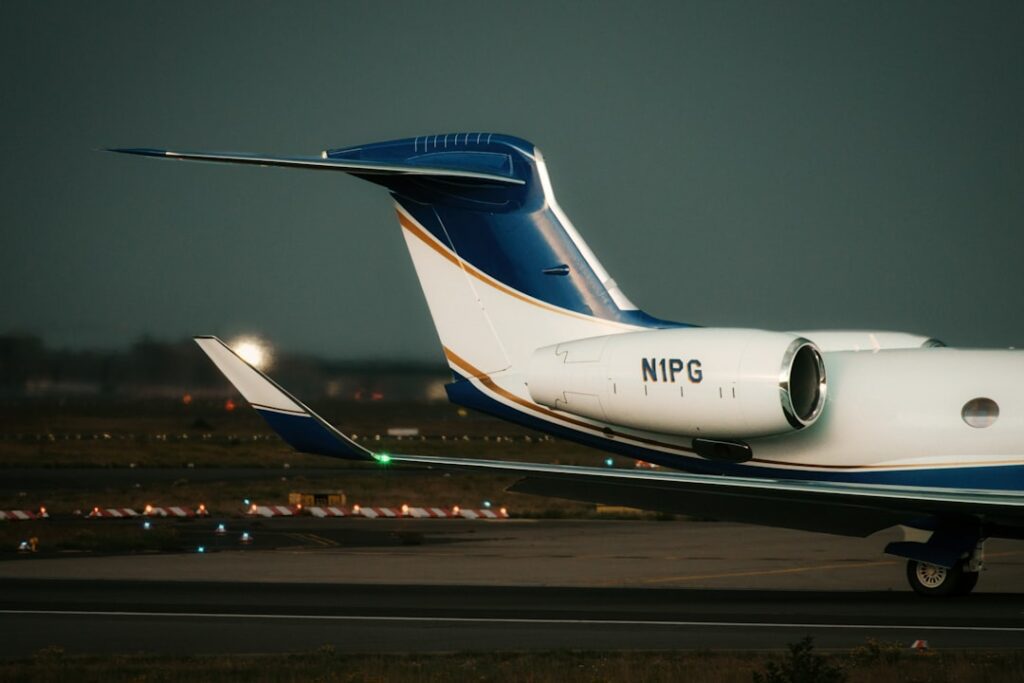
The relationship between wealth and travel has changed dramatically over the past decade. While commercial first class continues to deliver exceptional comfort, premium dining, private suites, and personalized service, many billionaires increasingly choose private aviation for reasons that extend far beyond luxury alone. In 2026, affluent travelers are placing greater value on control, flexibility, privacy, and productivity than on visible displays of status.
Within this landscape, Gulfstream has become one of the most recognized names in long-range private aviation. Its aircraft are widely used by corporate leaders, entrepreneurs, diplomats, family offices, and ultra-high-net-worth travelers who require efficient global mobility. Moreover, the brand’s reputation for range, cabin innovation, and operational performance has positioned it at the center of discussions surrounding modern executive travel.
Commercial first class remains an impressive product. Airlines continue investing in spacious cabins, premium lounges, and elevated onboard experiences. However, travelers operating across multiple countries, managing complex business schedules, or requiring confidential transportation often encounter limitations that luxury alone cannot solve. Fixed schedules, crowded airports, security lines, and route restrictions create friction that many wealthy travelers prefer to avoid.
As a result, private aviation demand remains resilient worldwide. Charter memberships, fractional ownership programs, and professionally managed aircraft solutions are expanding access to business aviation. Consequently, executive travel is increasingly evolving toward mobility efficiency rather than traditional luxury consumption. The growing popularity of Gulfstream aircraft reflects this broader shift, where time optimization has become one of the most valuable assets in affluent lifestyles.
Why Gulfstream Represents the Ultimate Luxury Aviation Brand?
Few manufacturers enjoy the global recognition that Gulfstream has built within business aviation. Over several decades, the company has developed a reputation for producing aircraft capable of connecting major international cities with minimal operational constraints. As a result, Gulfstream frequently appears in discussions involving executive mobility, diplomatic transport, and ultra-long-range private travel.
Modern aircraft such as the Gulfstream G700 exemplify the industry’s emphasis on range, comfort, and connectivity. Travelers can conduct international business trips without multiple stops, reducing travel complexity while maximizing scheduling flexibility. Moreover, spacious cabin designs support both work and relaxation throughout lengthy journeys.
Technology also plays a central role in Gulfstream’s appeal. Advanced flight systems, enhanced cabin communications, high-speed connectivity, and customizable interiors allow owners and charter customers to tailor the travel experience according to their professional and personal requirements. Meanwhile, the brand’s strong presence among multinational corporations and government operators reinforces its image as a practical mobility tool rather than merely a luxury asset.
Key factors contributing to Gulfstream’s reputation include:
- Ultra-long-range international capabilities
- Highly customizable cabin environments
- Advanced communications technology
- Strong corporate and diplomatic adoption
- Consistent focus on passenger comfort and productivity
Therefore, Gulfstream continues to dominate affluent aviation conversations because it combines prestige with measurable operational advantages.
Time Efficiency Matters More Than Luxury Alone
One of the biggest misconceptions about private aviation is that travelers choose it solely for comfort. In reality, many billionaires prioritize time savings above every other factor. Time has become a scarce resource, and efficient transportation directly influences productivity, decision-making, and business performance.
Commercial first class passengers still face airport arrival requirements, security procedures, boarding schedules, and potential delays. Although premium terminals improve the experience, travelers remain tied to airline timetables. In contrast, Gulfstream users typically access private terminals known as Fixed Base Operators (FBOs), dramatically reducing pre-flight waiting times.
Moreover, private aviation enables direct routing between destinations that may not be efficiently connected through commercial networks. A traveler can depart according to business requirements rather than airline schedules. Consequently, same-day multi-city trips become realistic possibilities rather than logistical challenges.
Rapid schedule adjustments provide another advantage. Business opportunities often emerge unexpectedly. Therefore, the ability to modify departure times within hours offers significant strategic value to executives managing global operations.
Gulfstream vs Commercial First Class Travel Experience
| Category | Gulfstream Private Jet | Commercial First Class | Travel Impact | Executive Advantage |
|---|---|---|---|---|
| Departure Flexibility | Highly customizable | Fixed schedules | Reduced delays | Greater control |
| Airport Access | Private terminals (FBOs) | Major airport terminals | Faster processing | Time savings |
| Route Options | Direct destinations | Airline network limitations | Fewer connections | Higher efficiency |
| Passenger Environment | Exclusive occupancy | Shared cabin | Enhanced privacy | Confidentiality |
| Schedule Changes | Often possible on short notice | Limited flexibility | Better responsiveness | Operational agility |
| Productivity | Dedicated workspace | Shared environment | Improved focus | Business continuity |
Privacy and Security Advantages of Gulfstream Travel
Privacy has become increasingly important for executives, entrepreneurs, celebrities, and family offices. While luxury remains attractive, confidentiality often drives purchasing decisions more strongly than comfort.
Commercial first class cabins provide excellent service. Nevertheless, passengers remain surrounded by strangers. Sensitive conversations may require caution, and public airport exposure can attract unwanted attention. In contrast, private aviation creates a controlled environment from departure through arrival.
Executives frequently discuss acquisitions, investments, legal matters, and strategic planning while traveling. Gulfstream aircraft provide secure spaces where confidential discussions can occur without concern about neighboring passengers. Moreover, passenger manifests remain tightly controlled, minimizing exposure risks.
Security considerations also extend beyond business matters. High-profile individuals increasingly value predictable travel environments. Consequently, private aviation offers a level of discretion difficult to replicate through commercial travel channels.
Additional privacy benefits include:
- Controlled passenger access
- Reduced public visibility
- Customized onboard environments
- Greater confidentiality during meetings
- Simplified security management
As a result, privacy has evolved from a luxury feature into a core mobility requirement for many wealthy travelers.
Why Billionaires See Private Jets as Productivity Tools?
Many affluent travelers view private aircraft less as luxury purchases and more as productivity infrastructure. This perspective helps explain the continued demand for long-range business jets despite significant operating costs.
A Gulfstream cabin can function as a mobile office. High-speed connectivity, conference seating arrangements, communication systems, and quiet workspaces allow executives to remain productive throughout the journey. Meanwhile, teams can hold meetings, review documents, and coordinate international operations without interruption.
This capability becomes particularly valuable during long-haul international travel. Instead of losing productive hours, executives maintain continuity across time zones. Consequently, travel becomes integrated into the workday rather than functioning as downtime.
However, private aviation is not without challenges. Aircraft ownership involves substantial expenses related to maintenance, crew salaries, hangar storage, insurance, and regulatory compliance. Moreover, sustainability concerns continue shaping public discussions surrounding private aviation. Nevertheless, many users conclude that the productivity gains justify the investment when evaluated against the value of executive time.
Key Operational Differences Between Gulfstream and Commercial Travel
| Operational Factor | Gulfstream Advantage | Commercial First Class Limitation | Productivity Impact | Long-Term Value |
|---|---|---|---|---|
| Scheduling | Traveler-controlled | Airline-controlled | Higher efficiency | Better time utilization |
| Airport Experience | Minimal processing | Standard procedures | Reduced waiting | Faster journeys |
| Meeting Capability | Private workspace | Limited confidentiality | Improved collaboration | Enhanced business outcomes |
| Route Planning | Flexible destinations | Airline network dependent | Direct access | Greater convenience |
| Passenger Control | Exclusive occupancy | Shared environment | Better focus | Stronger confidentiality |
| Trip Customization | Highly personalized | Standardized service | Tailored experience | Consistent productivity |
The Rise of Chartering and Fractional Ownership
Private aviation is no longer defined solely by outright aircraft ownership. In fact, charter programs, memberships, and fractional ownership structures are reshaping the economics of luxury aviation.
Many affluent travelers require private aviation access without assuming full ownership responsibilities. Therefore, charter services provide flexibility while eliminating maintenance and management obligations. Travelers pay for usage rather than maintaining a dedicated aircraft year-round.
Fractional ownership offers another attractive solution. Participants purchase shares of an aircraft and receive proportional flight access. Consequently, users enjoy many ownership benefits while sharing operational costs among multiple stakeholders.
Professionally managed aviation services continue expanding because they simplify the experience. These providers coordinate maintenance, crew management, regulatory compliance, and scheduling. As a result, travelers focus on mobility rather than aircraft administration.
Popular flexible-access solutions include:
- On-demand charter flights
- Jet membership programs
- Fractional ownership arrangements
- Managed aircraft services
- Corporate fleet-sharing models
This evolution is making private aviation accessible to a broader segment of affluent consumers while maintaining operational efficiency.
Why Commercial First Class Still Appeals to Some Wealthy Travelers?
Despite growing interest in private aviation, commercial first class remains highly attractive for many wealthy travelers. Luxury airlines continue delivering exceptional products that satisfy both comfort and convenience requirements.
The most obvious advantage is cost efficiency. Flying first class requires significantly less financial commitment than operating a private aircraft. Moreover, travelers gain access to extensive global airline networks that connect virtually every major destination.
Some affluent travelers also consider environmental perceptions when selecting transportation options. Shared commercial flights distribute emissions across many passengers. Consequently, commercial travel may align more closely with certain corporate sustainability objectives.
Furthermore, infrequent flyers often find commercial first class entirely adequate. Premium lounges, lie-flat suites, gourmet dining, and personalized service create experiences that rival many luxury hospitality environments. Therefore, commercial first class remains a practical and appealing option for numerous high-net-worth individuals.
Sustainability and Public Perception Challenges
Private aviation faces growing scrutiny regarding environmental impact. Critics frequently highlight carbon emissions associated with individual flights, creating reputational challenges for operators and travelers alike.
Consequently, the industry is investing heavily in sustainable aviation fuel (SAF), efficiency improvements, and emerging technologies designed to reduce environmental impact. Aircraft manufacturers are pursuing aerodynamic enhancements, lighter materials, and more efficient propulsion systems.
Public perception also influences decision-making. Corporate leaders increasingly evaluate how transportation choices affect stakeholder relationships. Meanwhile, regulatory discussions surrounding aviation emissions continue evolving globally.
Nevertheless, business aviation advocates argue that private aircraft deliver substantial economic value by enabling efficient commerce, investment activity, and international connectivity. The challenge moving forward involves balancing operational benefits with sustainability expectations.
Why Gulfstream Demand Remains Strong in 2026?
Several structural trends continue supporting demand for Gulfstream aircraft and private aviation services. Global wealth concentration remains significant, while international business activity increasingly requires rapid mobility across multiple regions.
Geopolitical uncertainty has also elevated interest in controlled transportation environments. Many travelers prefer predictable travel arrangements that minimize disruptions and maximize flexibility. Consequently, long-range private aircraft have become valuable strategic assets for both corporations and individuals.
Moreover, affluent lifestyles continue emphasizing experiences, convenience, and efficiency. Travelers increasingly evaluate transportation based on friction reduction rather than visible luxury indicators. This mindset aligns closely with the value proposition offered by premium private aviation.
The strongest growth drivers include:
- Expanding global wealth creation
- Increased international business activity
- Rising demand for travel flexibility
- Growth in charter and shared-access models
- Continued interest in ultra-long-range aircraft
Therefore, Gulfstream remains well-positioned within a market increasingly focused on mobility performance rather than traditional luxury symbolism.
The Bigger Shift: Luxury Mobility Is Becoming About Control
The debate between Gulfstream and commercial first class reflects a broader transformation occurring across affluent mobility culture. Wealthy travelers increasingly prioritize control over display, flexibility over exclusivity, and efficiency over excess.
Time efficiency itself has become a luxury asset. Moreover, mobility decisions increasingly revolve around reducing friction rather than maximizing visibility. This shift influences not only aviation but also luxury automotive services, private transportation platforms, and integrated travel ecosystems.
Private aviation increasingly functions as part of a larger executive mobility strategy. Charter memberships, fractional ownership programs, concierge transportation networks, and digital scheduling platforms are creating seamless travel experiences that extend beyond the aircraft itself.
Meanwhile, professionally managed aviation solutions are making private travel more adaptable and economically rational. Consequently, affluent consumers can access premium mobility without traditional ownership burdens.
In contrast to earlier perceptions, modern private aviation often represents practicality rather than extravagance. Travelers seek privacy, operational convenience, and scheduling autonomy because these factors directly influence business effectiveness and personal efficiency.
As luxury travel continues evolving, future demand may focus less on visible opulence and more on integrated mobility infrastructure. Gulfstream’s popularity illustrates this transition perfectly. The aircraft symbolizes not merely wealth, but the growing importance of flexibility, privacy, and control in a rapidly changing global travel environment.
Frequently Asked Questions
Why do billionaires prefer Gulfstream jets?
Billionaires often choose Gulfstream aircraft because they provide privacy, scheduling flexibility, long-range capabilities, and productive onboard environments that support demanding international travel schedules.
Is private jet travel faster than commercial first class?
Yes. While flight speeds may be similar, private aviation reduces total journey time through private terminals, direct routing, and flexible departure scheduling.
What makes Gulfstream aircraft so popular?
Gulfstream aircraft are known for long-range performance, advanced technology, customizable cabins, and strong adoption among corporate, diplomatic, and private aviation operators.
Are Gulfstream jets more comfortable than first class?
Many travelers consider Gulfstream cabins more comfortable because they offer exclusive occupancy, customizable layouts, greater privacy, and personalized onboard environments.
Why is privacy important in private aviation?
Privacy allows executives, investors, celebrities, and high-profile travelers to conduct confidential discussions and travel without unnecessary public exposure.
How expensive is flying on a Gulfstream?
Costs vary significantly depending on aircraft type, ownership structure, charter rates, flight duration, and operational requirements. Ownership typically involves substantial ongoing expenses.
What is fractional jet ownership?
Fractional ownership allows multiple participants to share an aircraft’s costs and usage rights, providing private aviation access without full ownership responsibilities.
Do wealthy travelers still fly commercial first class?
Absolutely. Many affluent travelers continue choosing first class because it offers excellent comfort, global route access, and significantly lower costs than private aviation.
Why are private jet charters becoming more popular?
Charters provide flexibility, convenience, and private aviation access without requiring aircraft ownership, making them attractive to many affluent travelers.
Is private aviation growing in 2026?
Yes. Demand remains strong due to increasing global wealth, executive mobility needs, charter expansion, and growing interest in flexible travel solutions.