Food promotion in modern times has taken a different turn because of the rise of social media. No longer does an excellent food dish suffice when it comes to attracting clients. They need to experience a vivid visual representation of the food that stops them from scrolling further, makes them feel ravenous right away, and creates an emotional connection with the ambiance of the restaurant even before they enter. Such is precisely what makes AI drama food storytelling a revolutionary aspect of food and restaurant marketing today.
Rather than uploading run-of-the-mill pictures or short videos, it is now possible to film food commercials with a cinematic appeal. Thanks to platforms such as Pippit, food businesses, cafes, food trucks, and luxury food brands can turn their footage into compelling narratives for their food and restaurants to be featured on TikTok, Instagram Reels, YouTube Shorts, and even restaurant advertisements.
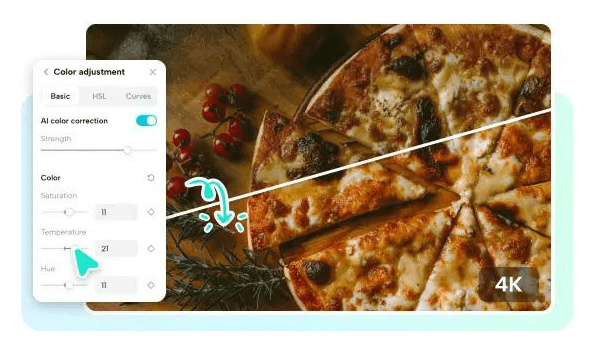
How cinematic storytelling works wonders for restaurant advertising
There’s more to buying food online than just looking at pictures. People buy experiences, emotions, comfort, joy, and atmosphere. A dramatic restaurant video can help potential customers envisage how it feels to dine there instead of browsing through a list of menu items.
Dramatic food content gets more engagement
The best-performing food content usually triggers an emotional response from users. Combining cinematic visuals, soundtracks, music, narrative, and pacing can make any ordinary food item look like something you have to try immediately.
Examples include:
- Slow-mo sauce pouring videos
- Visual steam coming off dishes
- Scenes from romantic dinners
- Lighting around dessert platters
- Cooking processes of chefs
It’s all about evoking the desire to experience the moment.
More than standard photos are needed for restaurants
Restaurant accounts are everywhere on social media platforms. Basic food photos don’t do much to differentiate themselves and end up blending into the background of everyone’s feeds.
With cinematic storytelling restaurants can:
- Get more shares on social media
- Maximize watch time
- Establish a strong brand identity
- Convey premium quality
- Draw customers closer
This unique visual experience will be remembered for weeks after users scroll past it.
Making signature dishes cinematic heroes
There is always that one dish that people cannot stop talking about. The idea behind cinematic storytelling is to give it the starring role in a captivating visual story.
Focusing on sensory storytelling
Excellent restaurant videos make audiences almost taste the food with their eyes. All elements, such as texture, steam, lighting, movement, and sound, add to the sensory experience.
Capture elements such as:
- Dramatic cheese stretching
- Herbs falling into the food
- A knife cutting through a steak
- Slow pouring of coffee
- Chocolate melting on desserts
It helps bring dishes to life.
Creating atmosphere around the meal
The ambience of the restaurant should not be overlooked because cinematic storytelling works best when it becomes an essential part of the emotional journey.
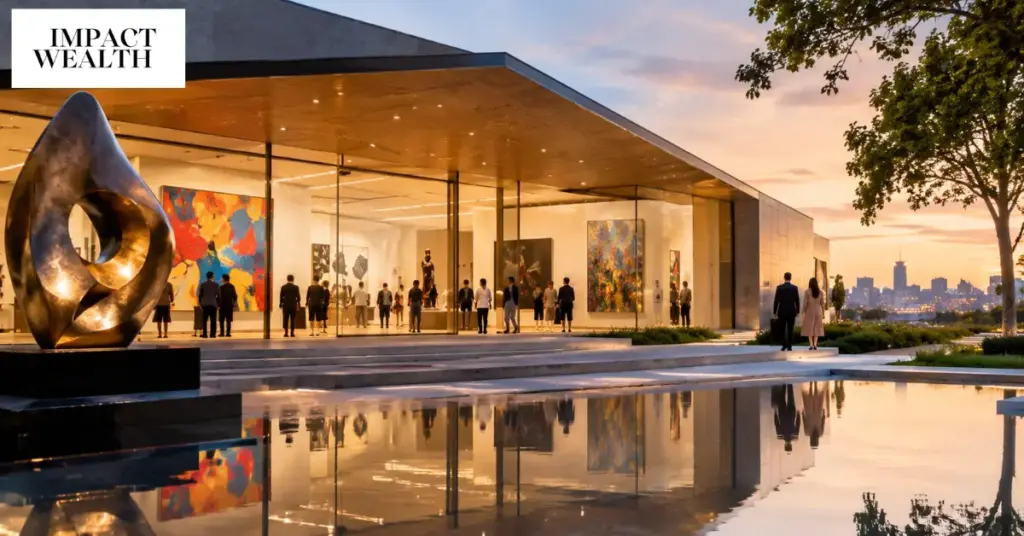
A luxurious dining experience may involve:
- Setting the table elegantly
- Lighted interior of the room
- Slow-paced video movements
- Customers chatting with friends
- Views of the city skyline during the dining experience
Casual cafes may choose cozy ambiance.
Building suspense through pacing
While fast-paced editing works well for exciting food-related videos, slower cinematic videos do better by creating anticipation.
Dishes that take time to prepare, serve, and eat create suspense.
Why people on social media are attracted to cinematic restaurant videos
There is intense competition in terms of marketing in the restaurant industry on social media platforms. There are too many posts about food; therefore, emotional stories play an essential role in standing out.
Dramatic food videos increase chances for sharing
Sharing of food videos that look impressive and emotional happens quite often. Dramatic restaurant commercials help to create an effect that makes people feel like they should try this place.
It results in an increase of the following metrics:
- Shares
- Saves
- Comments
- Replays
- Interest of customers
Cinematic stories build emotional brand identity
Restaurants with specific visuals tend to be easily identifiable. People start associating particular styles of visuals with the brand.
It leads to increased customer engagement and loyalty over time.
Including personalities of restaurants in the story
Sometimes the best way to sell is not to sell.
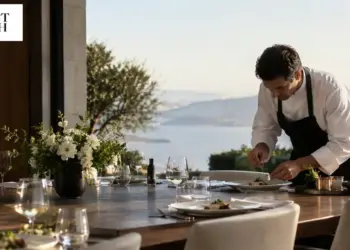
Show chefs and the process of meal creation
Visual storytelling is great for humanizing restaurants and creating trust. The story that includes chefs cooking, preparing, plating the dishes, interacting with clients creates a more emotional bond with the brand.
Use mini stories to create a plot
Short videos can also be interesting enough.
For example:
- An anniversary celebration meal
- Weekend brunch gatherings with friends
- The creation of a unique dish by a chef
- Desire for dessert after midnight
- Meals enjoyed in a family style format
The above emotional scenarios allow the audience to relate with the experience of eating at that place.
Creating restaurant cinematic campaigns with Pippit
The production of high-quality, cinematic restaurant commercials is now possible without expensive production costs or advanced editing skills. Pippit’s Seedance 2.0 makes it easy by enabling restaurants to create cinematic campaigns for their food using AI technology.
Step 1: Begin developing your restaurant campaign
Start by signing up for your Pippit account and launching the “Video generator” function. In the prompt window, specify the atmosphere of your restaurant and upload food images, footage from your kitchen or restaurant, or dining videos.
You could provide prompts such as: “Generate a cinematic luxury restaurant video showcasing food being cooked, elegant dining experience, dramatic food close-ups in slow motion, warm lighting, scenes of chefs plating dishes, emotional atmosphere, and luxurious fine-dining experience storytelling for social media marketing purposes.”
The more specific your prompts, the better your output will be.
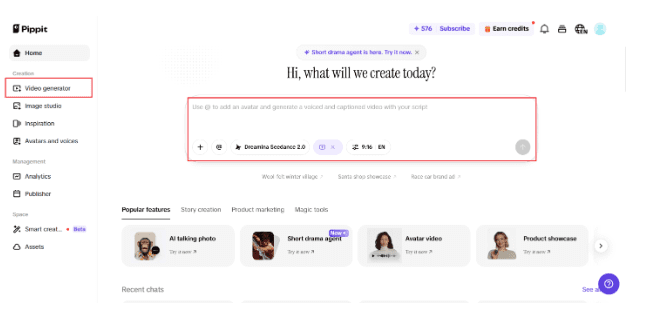
Step 2: Generate your cinematic restaurant commercial
Select cinematic videos like Veo 3.1 for compelling narratives or Sora 2 for smooth transition videos. Change the ratio according to your platform choice; either for TikTok, Instagram Reels, YouTube Shorts, or restaurant advertisements.
For some creators, it also becomes possible to play around with Seedance 2.0 to produce extremely polished video sequences that tell stories about the restaurant with an emotional impact. Once selected, hit “Generate” to generate a restaurant video.
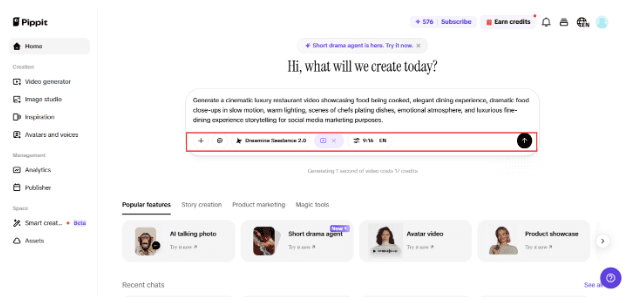
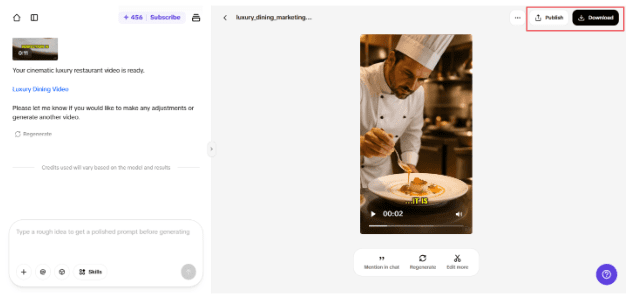
Step 3: Edit and download your cinematic restaurant video
When you have generated the video, make sure to review it and check if the sequence and the emotion are appropriate for your restaurant’s environment. Use “Edit more” to modify scenes and transitions or add more emotion to your story.
After editing, you will be able to “Download” your restaurant video or click on “Publish” to upload it instantly on your favorite social media using Pippit.
The role of emotional marketing in restaurant success
The most successful restaurants create anticipatory emotions before visitors even step through their doors.
Food is not only an experience, but also a way of life
Marketing a restaurant is not limited anymore to just its food menu.
The use of storytelling in the creation of videos for restaurants allows them to be promoted as:
- Places of luxury
- Comfortable spots for social gatherings
- Hot trendy spots
- Places where people go on dates
- Lifestyle brands
Cinematographic representation of restaurants affects customer experience
Even casual dining can look luxurious when it is shot in a cinematic style with an emotional approach. This increases interest in the restaurant and encourages customers to talk about their impressions.
Cinema will be the future of restaurant marketing
Today, successful restaurants on social networks realize that, in order to attract people’s attention, it is not enough to post pictures of their products. People want to dive into an emotion, to feel excitement, warmth, hunger, curiosity, right at the moment they see a picture.
Thanks to solutions such as Pippit, it is now possible to create culinary campaigns using storytelling techniques and turn regular food into a cinematic story.
If you want your marketing activities to look more attractive and emotional, try using an AI video creation service and create a cinematic food campaign.