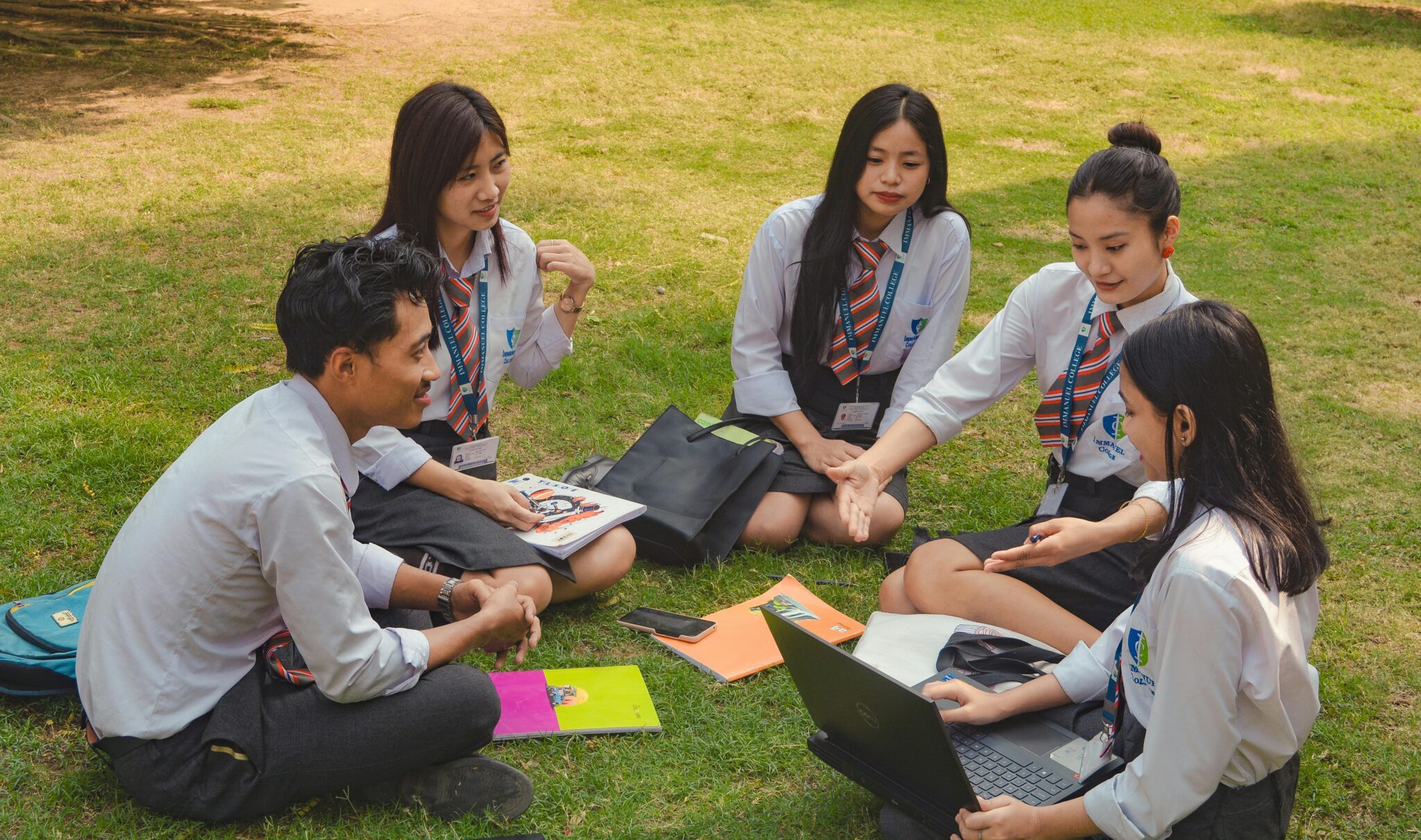
Free time can feel rare for students, but even a few open hours each week can matter. Between classes, homework, exams, work, and personal responsibilities, it is easy to focus only on urgent tasks. Still, free time can help students prepare for the future when they use it wisely. Rest is important, but small actions such as learning a skill, volunteering, joining a student club, or talking to experienced people can turn ordinary spare time into real opportunities.
Developing Skills That Classes Do Not Always Teach
Formal education gives students a foundation, but many important life and career skills are learned outside the classroom. Employers often look for people who can communicate clearly, solve problems, work in teams, manage deadlines, and adapt to change. These abilities are not always measured by grades, but they matter in almost every profession.
Students can use free time to build these skills gradually. For example, someone interested in business can learn basic financial planning, marketing, or presentation skills. A student who enjoys technology can study coding, data analysis, or cybersecurity through online courses. Those who want to work in creative fields can practice writing, photography, video editing, or design. Even soft skills, such as leadership and emotional intelligence, can be improved through books, workshops, group projects, and real conversations.
The best approach is to choose one or two skills and practice them consistently. Trying to learn everything at once usually leads to frustration. A student who spends just three hours a week improving public speaking or learning a new digital tool can make real progress over several months. These small efforts can later become useful during interviews, internships, competitions, or freelance projects.
Managing Academic Pressure and Protecting Time
One of the biggest challenges students face is the feeling that academic work takes over everything. Assignments, essays, presentations, and exam preparation can quickly fill evenings and weekends. When students do not manage their workload well, free time disappears, stress increases, and future planning becomes much harder.
Good time management starts with knowing what needs to be done and when. Students can use calendars, task lists, study blocks, and simple weekly plans to avoid last-minute panic. Breaking large assignments into smaller steps also makes the process easier. Instead of writing an entire paper in one night, a student can spend one day researching, another day outlining, and another day editing. This method reduces stress and usually leads to better work.
Support systems are also important. Study groups, tutors, academic advisors, library resources, and online educational tools can help students understand difficult material faster. A professional paper writing service EduBirdie can also support students who want to improve their academic skills, organize their study process, and save time for activities connected to future growth. This kind of help should be used responsibly, as part of learning and planning, not as a replacement for personal effort.
Protecting free time is not laziness. It is part of long-term success. Students need time to rest, think, explore interests, and prepare for life after graduation. When academic pressure is managed wisely, students have more energy for opportunities beyond the classroom.
Gaining Practical Experience Before Graduation
Free time is a great chance to explore the real world before entering it full-time. Many students wait until their final year to think seriously about careers, but starting earlier can make the transition much easier. Practical experience helps students understand what they enjoy, what they are good at, and what kind of work environment suits them.
Internships are one option, but they are not the only one. Students can volunteer, take part in student organizations, help with campus events, work part-time, start a small project, or support a local business. A student interested in journalism might write for a student newspaper or personal blog. Someone interested in teaching might tutor younger students. A future designer might create posters for a university club. These experiences may seem small at first, but they build confidence and provide real examples to discuss during interviews.
Practical experience also helps students make better decisions. Sometimes a student discovers that a dream career is not what they expected. That is not a failure. It is useful information. It is much better to learn this during a short volunteer project or internship than after years of preparation for the wrong path.
Building Connections and a Strong Personal Direction
Opportunities often come through people. This does not mean students need to become aggressive networkers or constantly promote themselves. Building connections can be natural and honest. It can start with asking a professor for advice, joining a professional community, attending a campus event, or talking to someone who works in a field of interest.
Mentors can be especially valuable. A mentor does not have to be famous or highly successful. It can be an older student, a teacher, a manager at a part-time job, or a professional willing to share experience. Good conversations can help students avoid common mistakes, understand career paths, and see possibilities they had not considered before.
Students can also use free time to build a personal direction. This means thinking about what kind of life they want, not only what job title they hope to have. Journaling, career research, personality tests, informational interviews, and reflection can help students understand their values and goals. The clearer their direction becomes, the easier it is to choose useful activities and say no to distractions.
Conclusion
Free time is one of the most flexible resources students have. It can be spent only on scrolling, stress, and last-minute tasks, or it can become a space for growth, discovery, and preparation. Students do not need to turn every free hour into work. Balance is necessary, and rest protects both mental health and motivation. Still, using even part of that time intentionally can create meaningful results.
By learning new skills, managing academic pressure, gaining experience, and building connections, students can turn ordinary free time into future opportunities. Success rarely appears suddenly. More often, it grows from small habits, smart choices, and consistent effort. The students who understand this early give themselves more options, more confidence, and a stronger start after graduation.