
What UHNW Parents Need to Understand Now
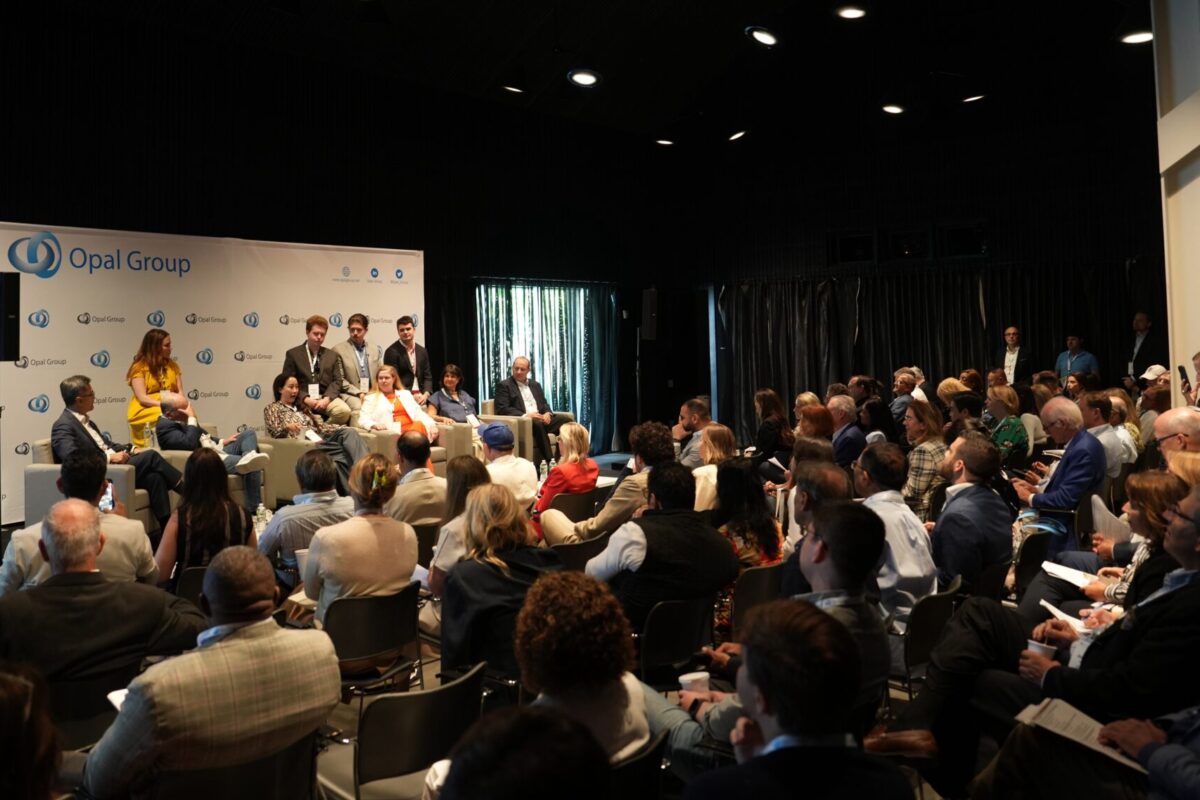
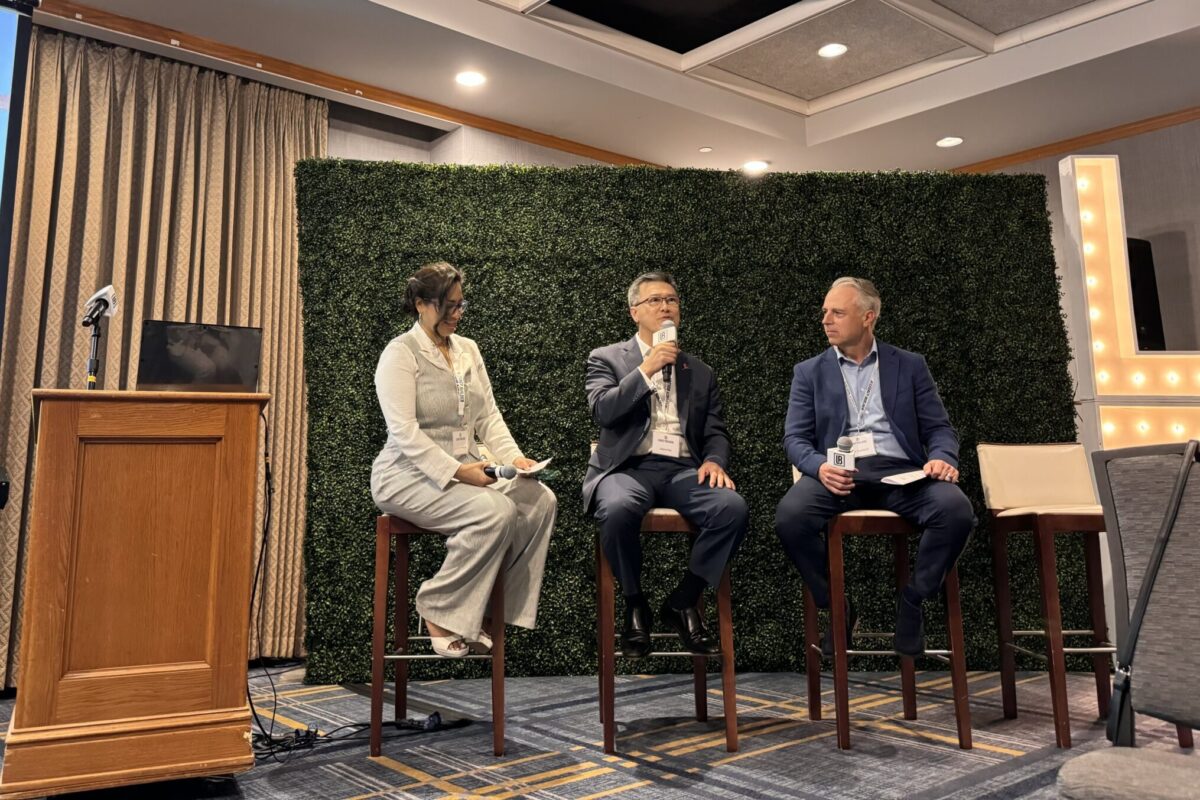
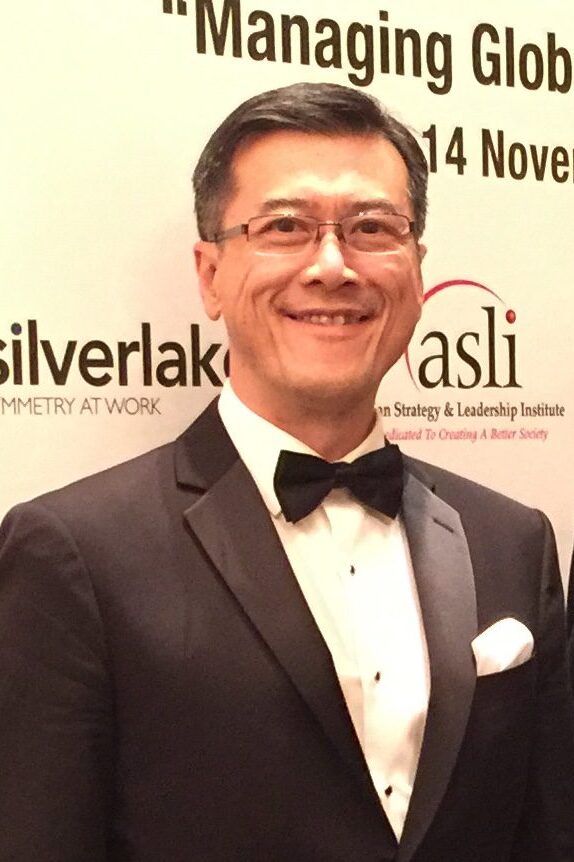
At Worth’s recent inaugural Beyond Wealth Summit in Palm Beach, I spoke on “Elite College Admissions in the Age of AI” in a fireside chat moderated by Dan Costa, Worth’s Chief Content Officer and Editor-in-Chief. The audience included families thinking seriously about legacy, well-being, and the thoughtful deployment of time and capital.
For parents of high school or college transfer students, that last point matters. Time and attention are among a family’s most valuable assets. In elite college admissions, delayed clarity and subpar preparation often cost more than money. They can cost momentum, peace of mind, parent-child trust, and sometimes years of unrealized potential.
The Competition Is Real
Elite college admissions have never been simple, and today’s landscape is especially demanding. Published admit rates, whether regular decision or early decision/action, are for total applicant pools. Still, at the most competitive schools, those pools are filled with thousands of high-achieving students.
The numbers are sobering. Harvard College reported 47,893 applicants and 2,003 admitted students for the Class of 2029, a 4.2% admit rate. Stanford’s 2024–25 Common Data Set reported 57,236 applicants and a 3.61% admit rate for the Class of 2028. Yale admitted 2,308 students from 50,228 applicants for the Class of 2029, roughly 4.6%.
Many parents assume strong grades, rigorous coursework, high SAT/ACT scores, private school access, and polished extracurriculars are enough. They are not. Among serious applicants, these are often table stakes. The real question is: What does the student uniquely bring, and can that be proven through choices, habits, contribution, and impact over time?





AI Raises the Stakes
Generative AI can help students brainstorm, organize, research, and revise. Used poorly, it can flatten a student’s voice, create generic essays, and undermine the authenticity admissions officers are trying to detect.
The issue is not whether a student has access to AI; most now do, directly or indirectly. The issue is whether the student has the discernment, character, and real capability to use it ethically and intelligently.
AI can amplify output. It cannot replace discernment, maturity, lived experience, earned competence, or a credible personal story.
Real Preparation Starts Early
This is why elite preparation must begin well before senior year. Real preparation includes academic rigor, thoughtful course selection, standardized test preparation, meaningful school-year and summer activities, strong teacher and counselor relationships, research or projects when appropriate, and a strategic college list of reach, probable, and likely schools.
It also includes something deeper: the development of a student’s inner operating system.
At ThreeEQ, I often frame this through the 4S and 3EQ approach: Visionary Story, State, Strategies, Soft and Hard Skills, plus practical Emotional, Social, and Leadership Intelligence. The goal is not to manufacture a teenager into someone he or she is not. The goal is to help the student become more fully, clearly, and effectively who he or she can be.
A Real Spike Must Be Earned
A strong “spike” matters, but parents often misunderstand the concept. A spike is not merely a résumé theme. It is evidence of direction, curiosity, initiative, depth, and follow-through.
It may appear through research, entrepreneurship, writing, community leadership, technology, music, athletics, public service, or an interdisciplinary path. But it must feel real. Admissions readers can often sense the difference between organic growth and adult-orchestrated packaging.
For UHNW families, there is another subtle challenge. Resources can open doors, but they can also create noise. Students may have access to tutors, consultants, internships, and networks, yet still lack focus, resilience, humility, key skills, or execution. Some are externally impressive but internally anxious. Others are capable but underdeveloped in communication, leadership, self-management, or discernment. Some are burdened by expectations they did not help define.
The Value of Trusted Guidance
This is where trusted third-party mentorship can help. The right mentor is neither a substitute parent nor merely a conventional college consultant focused on application mechanics. The right mentor helps the student and family align on values, direction, mindset, execution, relationships, and well-being.
For many families, the greatest cost is not fees, but opportunity loss and long-term regret from delayed high-quality guidance, misdirection, or lost momentum.
The best admissions outcomes do not come from last-minute essay polishing. They come from years of thoughtful preparation, honest feedback, strategic choices, and consistent execution. By senior year, the application should not be an artificial performance. It should be the clearest expression of work already done and growth already earned.



Admission Is Not the Finish Line
College admission, however, is not the finish line.
An elite school is not a guaranteed path to success, happiness, leadership, or contribution. Plenty of students enter prestigious universities and struggle with anxiety, stress, identity, pressure, relationships, discipline, or direction. Others attend less famous schools and thrive because they are self-aware, resilient, skilled, and purposeful.
Parents should therefore ask a better question than “How do we get into the highest-ranked school possible?”
The better question is: “How do we help our child build the clarity, capability, character, and confidence to thrive in college and beyond?”
In the age of AI, that question becomes even more urgent. Knowledge is abundant. Generic output is cheap. Prestige remains powerful, but it is not sufficient.
What will matter more are discernment, resilience and adaptability, emotional, social, and leadership intelligence, critical thinking and communication skills, ethical and skillful use of AI and technology, meaningful relationships, and the ability to execute and create real-world value.
For families of means, the opportunity is significant. With thoughtful guidance, students can pursue ambitious outcomes without losing their health, humility, or joy. They can prepare for elite admissions while also preparing for a rewarding career and meaningful life.
That is the real work. Done well, it strengthens not only the student’s future, but the family’s legacy.