Stainless steel remains a standard material in operations where surfaces are exposed to moisture, frequent cleaning, and hard daily use. Its appeal is straightforward: it resists corrosion, cleans up well, holds its shape under demanding conditions, and generally lasts longer than many alternatives. In places where contamination, rust, or material breakdown can create operational problems, that combination matters.
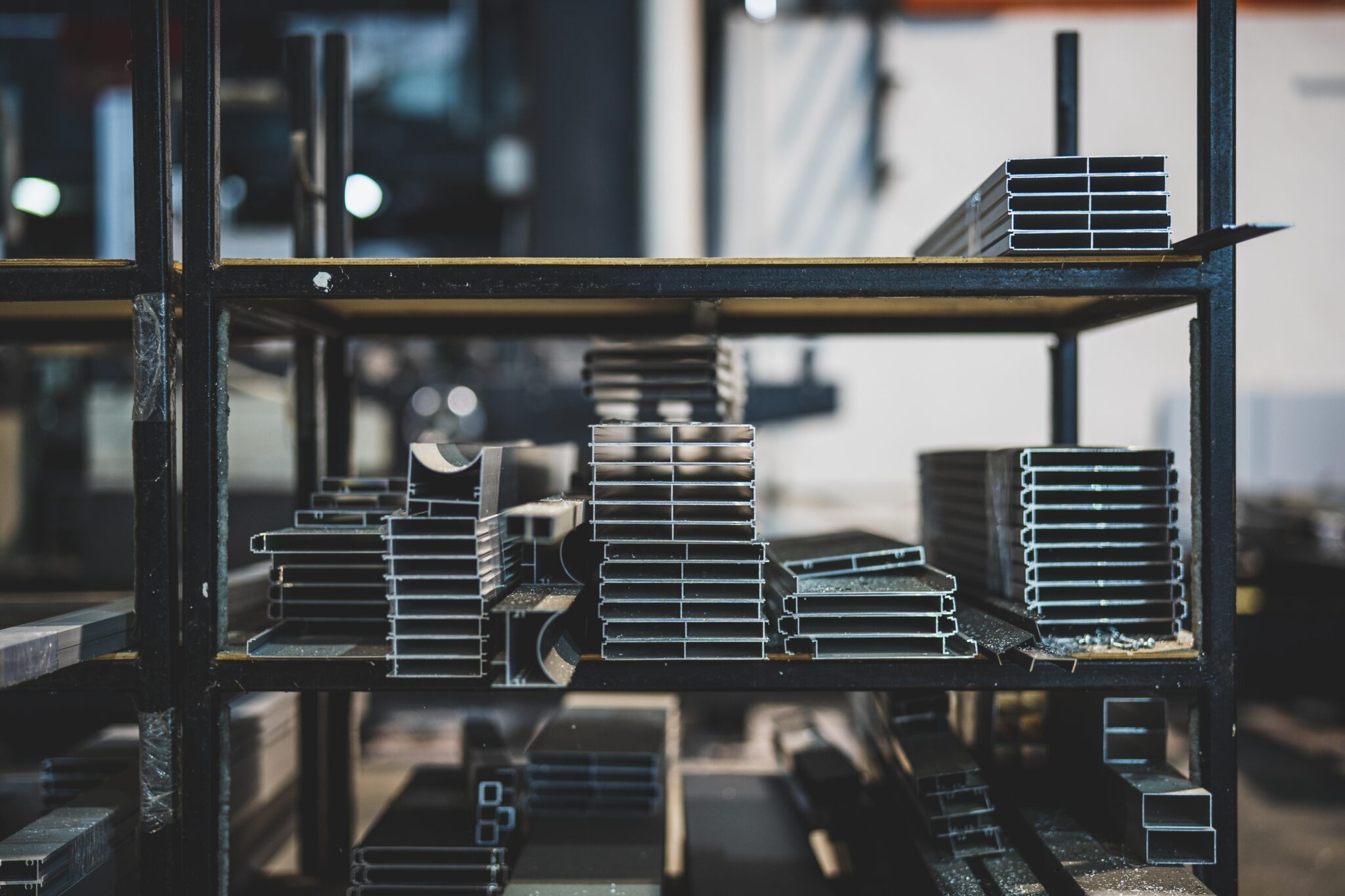
When fabrication teams evaluate material options for these uses, they often start with product form, thickness, finish, and grade. For buyers sourcing raw material for tanks, tables, guards, panels, and custom components, a qualified stainless steel plate supplier is often part of that early planning process.
Why Stainless Steel Is Trusted in Demanding Environments
In food manufacturing, the case for stainless steel in food processing is practical rather than theoretical. Food-contact surfaces need to stay smooth, stable, and easy to sanitize. Stainless steel is widely used for worktables, hoppers, conveyors, piping, tanks, and washdown zones because it does not easily react with many products, does not trap residue the way damaged porous materials can, and tolerates aggressive cleaning routines better than many painted or coated surfaces.
Furthermore, keeping the environment comfortable and healthy for workers is essential to maintaining high productivity and safety standards throughout processing plants. Farms that invest in HVAC stainless steel air distribution products have seen significant improvements in humidity control and air quality across their enclosed facilities. Installing these corrosion-resistant ventilation components prevents rust accumulation and contamination risks in washdown areas. Over time, reliable environmental controls protect raw food materials from premature spoilage while creating a safer, compliant working space.
Key Reasons Stainless Steel Works Well in Food Facilities
- It handles repeated washdowns and sanitizing cycles without degrading quickly.
- Smooth surfaces make residue removal easier and support hygienic design.
- It performs well in contact with moisture, steam, and many cleaning agents.
- It can be fabricated into durable parts for both product-contact and non-contact zones.
Where Stainless Steel Fits in Farming and Agricultural Operations
The role of stainless steel for farming extends far beyond dairy parlors and processing sheds. It is commonly used in watering systems, feed handling, milk transfer equipment, bins, chutes, farm wash areas, and structures exposed to moisture, manure, fertilizer residue, or changing weather. These conditions are often rough on painted carbon steel and hard on components that are difficult to clean.
Agricultural operations also deal with a mix of water, organic matter, chemicals, and outdoor exposure. That is one reason hygienic stainless steel remains valuable in equipment that must be washed regularly or kept free of buildup. In dairy and livestock systems, especially, easy cleaning is not just a convenience. It directly affects product quality, equipment condition, and labor time.
The usual objection is cost. Stainless steel often carries a higher upfront price than alternative materials, but farms do not operate on purchase price alone. In corrosive environments, it can reduce repainting, replacement cycles, downtime, and labor tied to cleanup or repairs. Over a long service life, that can make it a more economical option.
| Farm application | Why stainless steel is used |
| Watering and feed systems | Resists rust, cleans easily, and tolerates wet service |
| Milk handling equipment | Supports sanitation and product quality |
| Fertilizer-adjacent components | Better durability in corrosive conditions |
| Processing and wash areas | Holds up under repeated cleaning |
Why Clean Environments Depend on the Right Stainless Steel Design
Clean environments are not limited to food plants. They also include laboratories, pharmaceutical rooms, controlled packaging areas, and other spaces where contamination control is a daily concern. In these settings, stainless steel clean environments are built around more than material selection alone. Surface finish, weld quality, drainage, edge treatment, and cleanable geometry all affect whether equipment supports or undermines sanitation efforts.
Poor design in a good alloy can still create cleaning problems, so fabrication quality matters as much as the alloy choice.
What Clean Environments Usually Require from Stainless Steel
- Smooth surfaces with minimal pits, rough welds, or hard-to-clean seams
- Resistance to strong cleaning chemicals and repeated sanitizing
- Stable performance in humid or tightly controlled indoor conditions
- Fabrication that supports drainage and reduces contamination traps
How to Choose the Right Stainless Steel for the Job
Material selection should be based on the actual service environment, not habit. Water exposure, chloride content, chemical contact, temperature swings, cleaning frequency, and fabrication method all affect performance. A component in a dry interior room has different demands than one in a brine wash area, dairy line, or fertilizer-exposed farm system. That is why the stainless steel plate should be evaluated as part of the whole application, not as a generic commodity.
A sound specification usually comes down to three things: grade, finish, and thickness. Match them to the real exposure level, the cleaning routine, and the fabrication needs. That approach tends to produce better long-term results than choosing only on initial price, particularly in applications that depend on durable, corrosion resistant stainless steel and dependable sanitation.