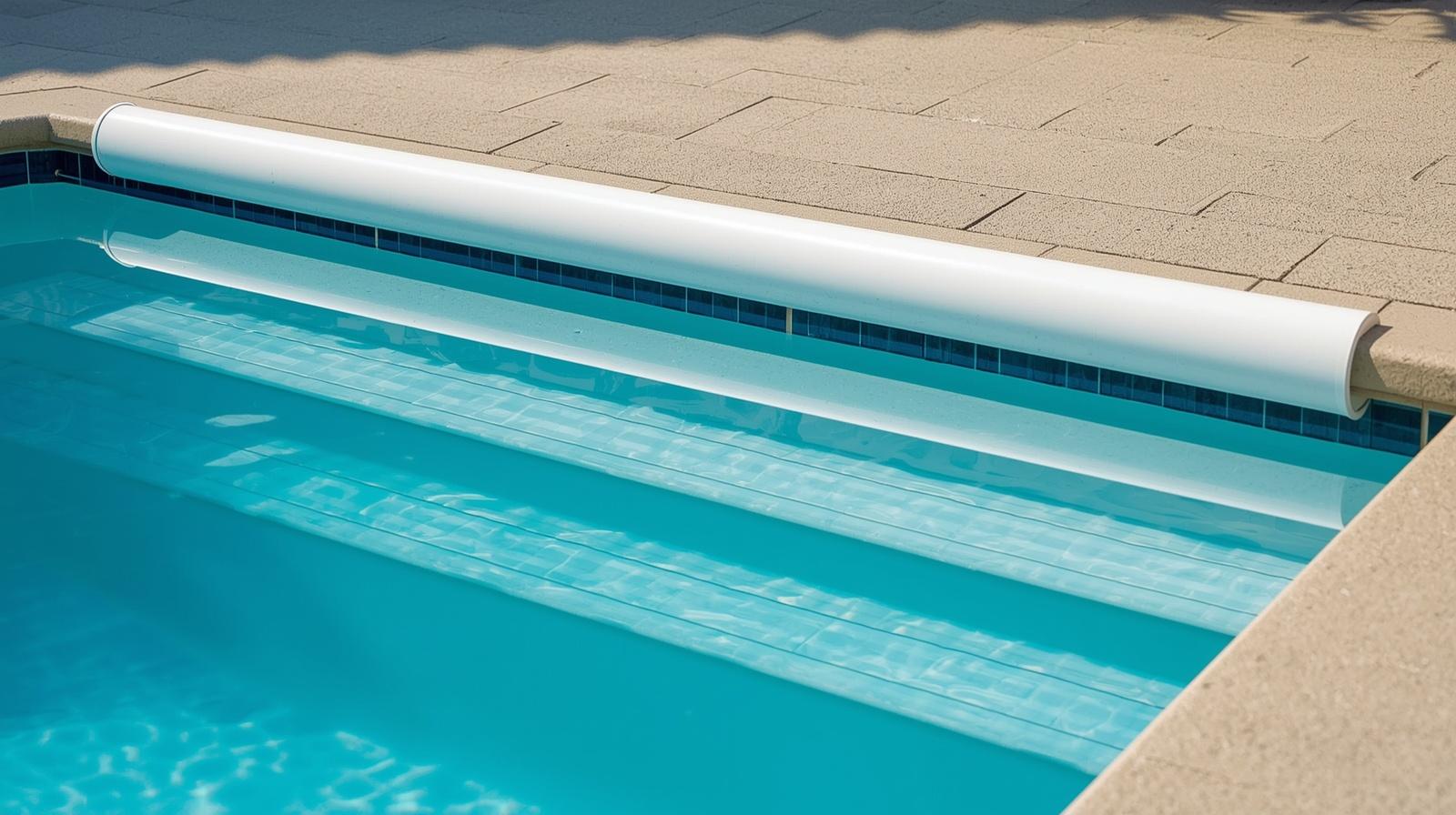
The right cover supports these goals by adding safety and reducing the time spent on maintenance tasks. Each type brings unique strengths that suit different pool designs and local conditions. Let’s explore the features that matter most when choosing one.
Material Qualities That Support Safety
The material used in swimming pool covers plays a major role in overall performance. Strong and durable surfaces resist tears and hold firm under pressure, which helps with safer use. A high-quality material also handles UV exposure well and maintains shape across warm seasons. This creates a reliable first layer of protection.
Vinyl, mesh, and reinforced fabrics each suit different safety needs. Vinyl offers a solid barrier that blocks debris and supports weight more effectively. Mesh allows water to drain through while still preventing entry into the pool. Choosing the correct style aids in smoother daily management.
Fit and Structure That Enhance Stability
A secure fit keeps a cover in place during strong winds or sudden weather changes. Loose areas create weak points that reduce the cover’s effectiveness. A proper fit holds firm around the edges and supports even coverage across the pool surface. This leads to safer and more consistent results.
Shape also affects stability. Oval, round, and rectangular pools require a cover designed specifically for their form. This prevents gaps and reduces unwanted movement. Accurate measurements support safer placement and easier maintenance.
Fit Essentials to Consider
- Measure the pool carefully
- Check the edge design for secure hold
- Match the cover shape to the pool shape
- Ensure adequate weight support across the surface
Safety Features That Prevent Accidents
Some covers include built-in safety components designed to block access to the water. These may include sturdy anchor points, reinforced straps, and weight-bearing surfaces. They reduce risks by preventing unexpected entry into the pool. Families with children or pets often benefit from this added layer of support.
The strength of these features varies between cover types. Heavy-duty safety covers offer the highest level of protection, while basic covers focus more on debris control. Choosing the correct option helps balance safety and convenience. A well-supported structure aids confident use throughout the year.
Heat Control That Supports Safer Conditions
Heat retention is another factor linked to safety. Covers that hold warmth well support more stable water temperatures. This helps prevent sudden cold spots that can cause discomfort or discourage proper pool care. Consistent temperatures also aid in steady chemical levels.
Solar covers stand out in this category due to their bubble-style design. They capture light and transfer warmth into the pool without extra energy use. This can reduce overall heating needs while supporting comfortable swims.
Durability That Impacts Safety
A cover that holds up over time remains safer than one that wears quickly. Strong seams, reinforced layers, and weather-resistant materials keep the cover secure through varied seasons. Durability also reduces the chance of sudden failure. Long-term performance matters when safety is the primary goal.
Rain, wind, and harsh sun all contribute to wear. A durable cover handles these elements with less strain. This extends its lifespan and reduces replacement needs. Daily use becomes smoother when the cover remains firm and stable.
Buyers exploring swimming pool covers gain safer and more reliable results when they prioritise material quality, fit, and durability. Each feature aids in stronger protection and better long-term performance. Careful selection also supports easier upkeep and steadier water conditions. With the right cover, pool owners may help improve safety, comfort, and confidence throughout the entire swimming season.