Managing daily expenses can be challenging, especially when small purchases quickly add up. Budgeting apps simplify this process by helping you track spending, set financial goals, and stay in control of your money. This guide explores the best budgeting apps for tracking daily expenses easily, along with their features and benefits.
Why Use Budgeting Apps?
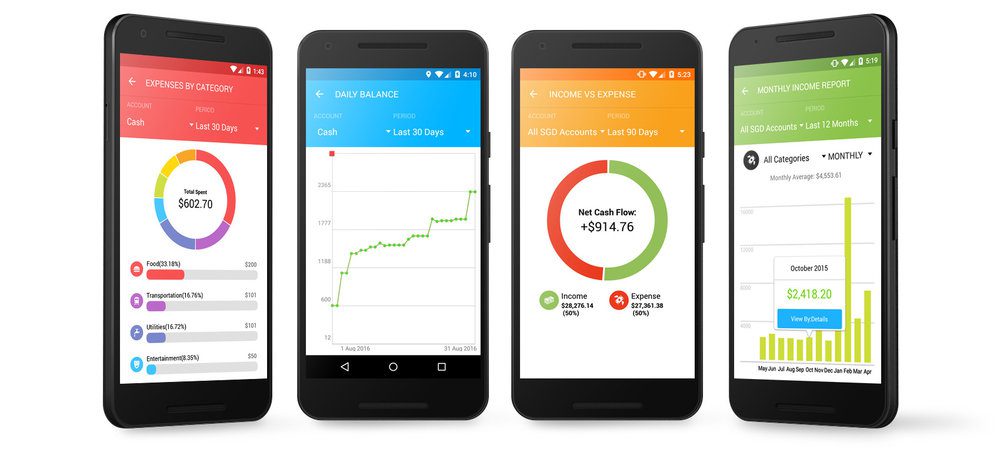
Budgeting apps offer a convenient way to monitor your finances in real time. Instead of manually tracking expenses, these apps automate the process and provide insights into your spending habits.
Key benefits include:
- Real-time expense tracking
- Budget planning and alerts
- Categorization of expenses
- Financial goal setting
- Easy access from your smartphone
Top Budgeting Apps to Consider
1. Mint
Mint is one of the most popular budgeting apps. It connects to your bank accounts and automatically tracks transactions. It also provides personalized insights and bill reminders.
2. YNAB (You Need A Budget)
YNAB focuses on giving every dollar a purpose. It’s ideal for users who want to build disciplined spending habits and long-term financial control.
3. PocketGuard
PocketGuard shows how much disposable income you have after covering bills and essentials. It’s great for avoiding overspending.
4. Goodbudget
Goodbudget uses the envelope budgeting system, helping you allocate money to different categories and stick to your plan.
5. Spendee
Spendee offers a visually appealing interface and allows you to track expenses manually or sync with bank accounts.
Comparison Table
| App | Best For | Key Feature |
|---|---|---|
| Mint | Beginners | Automatic tracking |
| YNAB | Budget discipline | Goal-based budgeting |
| PocketGuard | Overspending control | Spendable balance |
| Goodbudget | Envelope system | Category allocation |
| Spendee | Visual tracking | User-friendly design |
Features to Look for in a Budgeting App
Choosing the right app depends on your needs. Look for these essential features:
- Automatic syncing: Saves time by importing transactions
- Custom categories: Helps organize spending
- Security: Protects your financial data
- Reports and insights: Shows spending trends
- Multi-device access: Allows tracking anytime, anywhere
Tips for Effective Expense Tracking
Using a budgeting app is only effective if you use it consistently. Follow these tips:
- Update your app regularly
- Review your spending weekly
- Set realistic budgets
- Track even small expenses
- Adjust your plan as needed
Consistency is key to improving your financial habits.
How Budgeting Apps Support Financial Goals
Budgeting apps not only track expenses but also help you plan for the future. By understanding where your money goes, you can make better financial decisions and save more effectively.
For example, once you gain control over daily expenses, you can focus on strategies like Best Ways to Invest Money During High Inflation Periods to grow your wealth and protect your finances.
Common Mistakes to Avoid
Many users fail to get the full benefit of budgeting apps due to simple mistakes:
- Ignoring small expenses
- Not setting clear goals
- Failing to review reports
- Using too many apps at once
- Giving up too quickly
Avoiding these pitfalls will help you make the most of your chosen app.
FAQs
1. Are budgeting apps safe to use?
Most reputable apps use strong encryption and security measures to protect your data.
2. Do I need to pay for budgeting apps?
Many apps offer free versions, while premium features may require a subscription.
3. Which app is best for beginners?
Mint is often recommended for beginners due to its simplicity and automation.
4. Can budgeting apps help me save money?
Yes, they help identify unnecessary spending and encourage better financial habits.
5. How often should I check my budgeting app?
It’s best to check it daily or at least a few times a week for accurate tracking.
Final Thoughts
The best budgeting apps for tracking daily expenses easily can transform the way you manage your finances. By choosing the right app and using it consistently, you can gain better control over your money, reduce unnecessary spending, and achieve your financial goals.