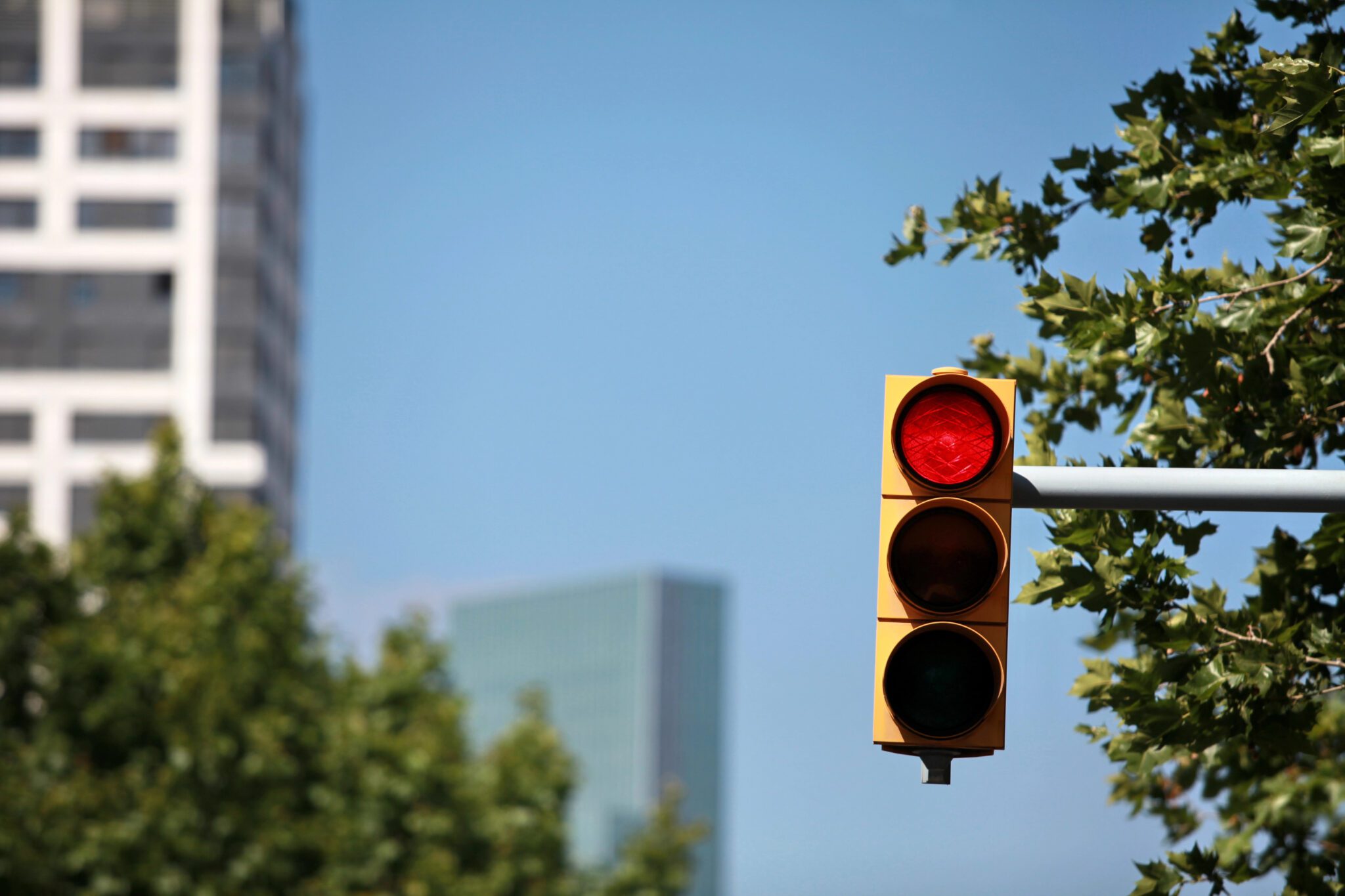
Approaching a busy intersection requires high levels of mental processing as drivers navigate multiple lanes of competing traffic. These points of convergence facilitate movement, but they also represent the highest risk for conflict between vehicles. Motorists must balance speed against the behavior of others.
The transition between signals remains a dangerous moment during any trip across a metropolitan area. Drivers often feel a sense of urgency as a light changes, leading to choices with consequences. When the flow is interrupted, the margin for error shrinks for everyone involved.
Patience is the most valuable tool for staying safe during high stakes transitions at every busy city crossing. Many collisions stem from a failure to judge distance or beating the clock. Investigating red and yellow light accidents reveals a pattern of error avoided with careful habits.
The Psychological Pressure of the Yellow Light
Drivers frequently encounter the dilemma zone where they must decide whether to stop or clear a yellow light. This psychological pressure happens when a vehicle is at a distance where both stopping and proceeding feel risky. Choosing the wrong path often results in entering late.
Speed and distance perception are the primary factors that contribute to high impact T-bone collisions in these scenarios. A driver might overestimate their ability to cross before the cross traffic receives a green signal. This miscalculation puts everyone in the path of travel at risk.
The physics of a moving vehicle dictates that stopping requires a specific amount of time and distance to be safe. Abruptly slamming on the brakes can lead to a rear end collision. Balancing these risks requires a calm approach to ensure that the intersection remains clear.
Engineering Safety into the Signal Cycle
Common misconceptions about left-hand turns often lead to dangerous situations at busy signals. Many motorists believe that being in the intersection gives them the right of way, even when oncoming traffic is still moving. This error results in many avoidable crashes during final signal phases.
Yielding to oncoming traffic is a fundamental rule that is frequently ignored in the rush to clear a light. When a driver attempts to turn before a gap is safe, they create a hazard. Respecting the right of way is essential for maintaining intersection order.
Signal timing and the role of all-red clearance intervals are vital technical components of intersection safety. These brief pauses ensure that all traffic has stopped before a new direction moves. Without these safeguards, the likelihood of a collision during a transition would be much higher.
The Role of Cameras and Clear Signage
Evaluating the impact of red-light cameras on driver behavior reveals a complex relationship with roadway safety. While these devices can deter some motorists from running a light, they can also lead to more sudden stops. Finding a balance in enforcement is key to reducing incidents.
Mechanical failures or obscured signage can complicate liability determinations after a crash at a signal. If a bulb is out or a branch is blocking the view, the responsibility may shift away from the driver. Investigating these factors is a necessary part of reviews.
Determining fault in these cases requires a close look at the timing of the signals and the speed of the vehicles. Documentation from maintenance logs can show if the equipment was functioning correctly. Ensuring that the infrastructure is reliable is just as important as behavior.
Watching Out for Those Outside the Cabin
The vulnerability of pedestrians and cyclists increases significantly during signal changes at busy crossings. These individuals rely on the predictability of traffic to cross safely, but a driver running a red light can shatter that security. Protecting these users requires a heightened sense of awareness.
Clearing the intersection should be a priority for everyone, but the presence of foot traffic makes it even more critical. A driver who is rushing might not notice a person stepping off the curb. This lack of attention can lead to catastrophic injuries for others.
Utilizing witness statements and traffic camera footage is essential for reconstructing a collision in these complex environments. These pieces of evidence provide an objective view of who had the right of way. Having clear proof is the best way to ensure justice for victims.
Conclusion
The critical need for patience and defensive driving at every light cannot be overstated in a busy city environment. Taking an extra few seconds to ensure the path is clear can prevent a tragedy. Every driver must commit to safety over speed to protect others.
Closing thoughts on modernizing intersection design suggest that reducing human error is a goal worth pursuing. Better lighting and clearer signage can help motorists make better choices under pressure. Investing in infrastructure is a proactive way to build a safer and more reliable network.
Safety remains a collective effort that requires the attention of both the city and the individual motorist. By respecting the signals and looking out for one another, we can reduce the risks. A focused approach is the best way to ensure everyone arrives home safely.
Photo by depositphotos