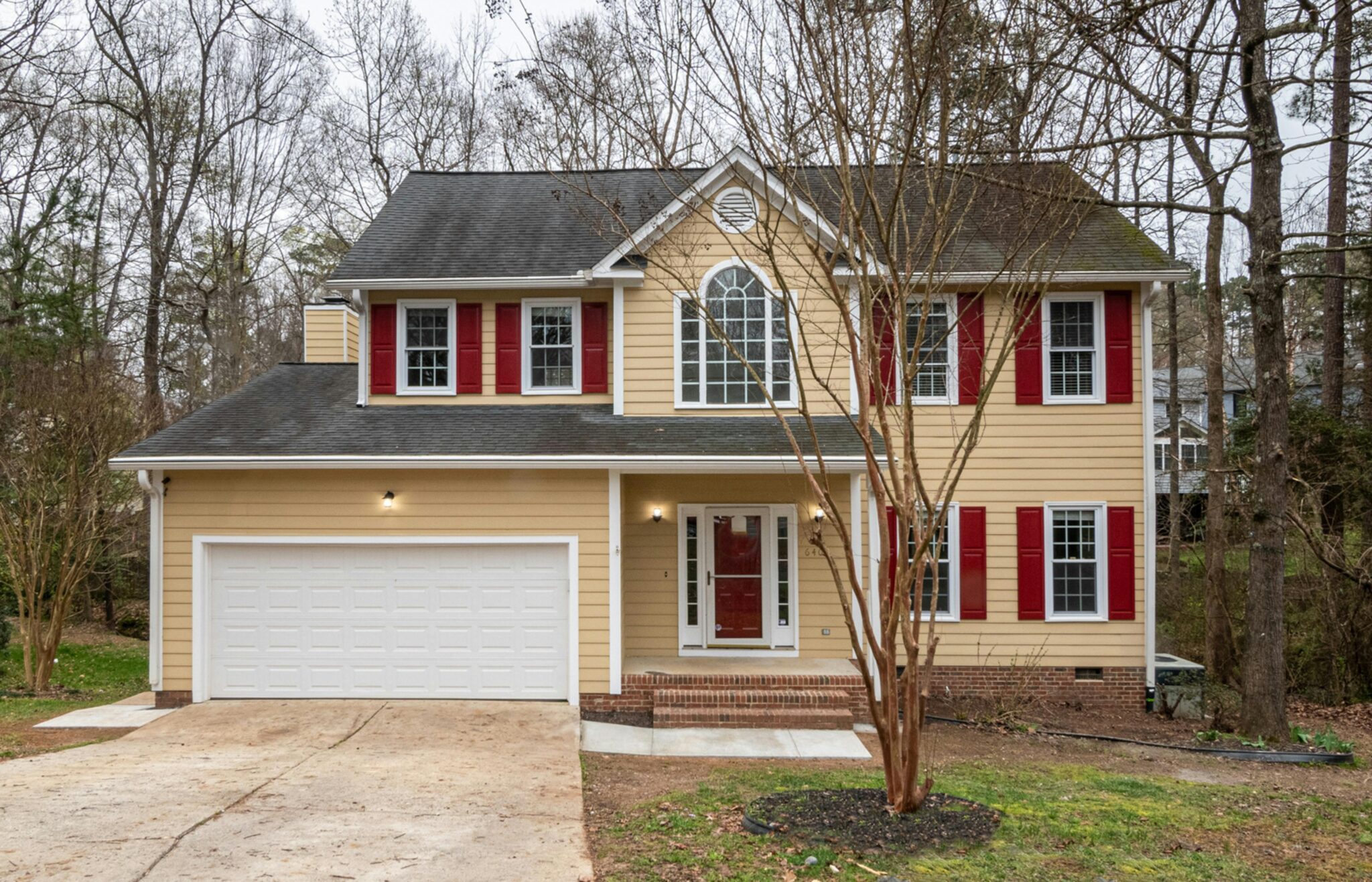
Have you noticed how home upgrades now feel more like smart decisions than style statements? Homeowners today are thinking differently about how their spaces function every single day. Rising costs and economic uncertainty have made people more careful with spending choices. At the same time, more time spent at home has exposed hidden inefficiencies in daily living. What once seemed like minor annoyances now feel like problems worth fixing quickly. A noisy system or poorly planned layout can disrupt routines more than expected. Therefore, the focus has shifted from appearance to performance-driven improvements that actually deliver value. This trend reflects a broader societal move toward efficiency and long-term thinking. In this blog, we will share how performance-focused decisions are reshaping home improvement priorities and what that means for modern living.
Where Reliability Becomes the Real Luxury
Reliability has become a defining feature of modern home improvement decisions. Systems that function smoothly every day now hold more value than decorative upgrades. For example, homeowners are paying closer attention to maintenance services that prevent unexpected breakdowns. Choosing a reliable garage door service has become part of a broader strategy for home efficiency. It reflects a mindset where prevention is preferred over costly repairs later.
This approach aligns with current trends in other areas of life as well. People now prefer products and services that deliver consistent performance over time. Smart home devices also follow this pattern, offering convenience and efficiency in everyday routines. However, not every upgrade needs advanced technology to be effective. Sometimes, a well-maintained system provides more value than a complex new installation. Therefore, reliability becomes a form of everyday comfort that often goes unnoticed until something fails.
There is also a subtle irony in how priorities have changed over time. Flashy upgrades once defined modern living, yet now they often feel unnecessary or impractical. Homeowners are more interested in systems that quietly do their job without interruption. This shift shows a deeper understanding of what truly matters in daily life.
The Influence of Economic and Lifestyle Trends
Recent global events have played a major role in shaping these new priorities. Extended periods at home have made inefficiencies impossible to ignore. People noticed drafts, noise issues, and outdated systems more than ever before. At the same time, rising material costs have made large renovations less appealing. Therefore, targeted improvements have become a more practical choice for many households.
The growth of remote work has also influenced how homes are used every day. Spaces now need to support productivity, comfort, and relaxation all at once. This has increased demand for upgrades that improve functionality without requiring major structural changes. For example, better ventilation systems and soundproofing solutions are now more common. These improvements may not be visible, yet they make a noticeable difference in daily routines.
There is also a growing awareness of sustainability and resource efficiency. Homeowners are choosing upgrades that reduce energy use and environmental impact. This reflects a broader cultural shift toward mindful consumption and responsible living. Therefore, performance-focused decisions are not just practical but also aligned with long-term global concerns.
Why Small Changes Are Making a Big Difference
Not every improvement requires a large budget or complex planning process. Many impactful changes come from small, well-considered adjustments. For example, replacing outdated fixtures or improving lighting can enhance both comfort and efficiency. These updates may seem minor, yet they contribute to a smoother daily experience.
Simple upgrades often provide immediate benefits, so they quickly justify their cost. A well-organized storage system can reduce clutter and save time every day. Improved insulation can lower energy bills while increasing comfort throughout the year. These results show that performance-driven decisions often deliver value in practical ways.
There is also a psychological benefit to these improvements. A home that functions well creates a sense of ease and control. Therefore, even small changes can have a positive impact on overall well-being. This explains why more homeowners are focusing on performance rather than appearance alone.
A Smarter Way to Think About Home Improvement
The shift toward performance-focused decisions reflects a deeper change in how people view their homes. Instead of treating them as static spaces, homeowners now see them as dynamic environments. Every improvement is measured by how it supports daily life and long-term comfort. This approach encourages thoughtful planning and more intentional choices.
It also challenges the idea that bigger renovations always lead to better results. In many cases, targeted upgrades provide greater value with less disruption. Therefore, the focus moves toward efficiency, reliability, and adaptability. These qualities define modern living in a way that feels both practical and forward-thinking.
As this trend continues, home improvement will likely become more strategic and purpose-driven. Homeowners will prioritize what works over what simply looks appealing. The result is a shift toward spaces that truly support the way people live today.