Your profit is trapped in cases on the floor, not floating above the register. Shoppers are buying with more intention and a little more restraint, which punishes sloppy inventory and rewards tight execution. If you want a clear read on liquor store profitability, think like an operator: spread, speed, and control.
You’re selling convenience and certainty more than you’re selling ethanol. The stores that outperform usually feel curated, not cluttered.
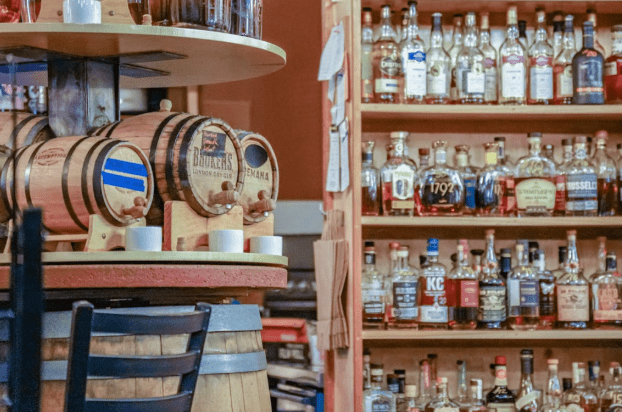
Photo by Michael Gattorna on Pexels
Fixed Costs Decide Your Real Take-Home
Liquor stores are fixed-cost machines: you pay rent and keep the lights and coolers on whether the door swings or not. In a year when consumers are value-aware, small leaks in scheduling, receiving, or energy use turn into real pain.
Profitability is often decided before you sell the first bottle, within your lease terms and operating routines. Your job is to make those fixed costs feel smaller by increasing sales per hour and per square meter.
Rent Per Square Meter Is A Silent Partner
A “perfect” corner can be a trap if the lease assumes heroic volume. Model rent against realistic sales, include escalations, and don’t ignore build-out and refrigeration costs that hit before you open. Easy parking and fast in-and-out flow can beat a trendy address for repeat weekly runs.
Labor Is A Revenue Lever, Not Just A Cost
Payroll pays when staff make decisions easily: quick recommendations, confident substitutions, and small upsells that feel helpful instead of pushy. Train for three moments—greeting, suggestion, checkout—then schedule hard to actual traffic patterns. A well-timed extra person during peak hours can lift revenue and reduce shrinkage in the same shift.
Shrink And Breakage Act Like A Tax
Shrink shows up in sloppy receiving, untracked discounts, returns abuse, and blind spots in high-theft aisles. Tight processes beat fancy gear: scan every case on arrival, reconcile invoices, lock high-risk products, and rotate beer like you’re running a dairy fridge.
Profit Comes From Spread And Speed
Liquor retail is a math problem disguised as a shopping trip, because how profitable are liquor stores depends less on hype and more on spread, turn rate, and fixed-cost control. Your gross margin can look healthy while your net profit stays thin, because rent, labor, and shrinkage eat relentlessly.
The best stores win by turning inventory faster and earning margin on the right categories, not by cramming more SKUs into the same space. Treat each shelf like paid real estate, because it is.
Gross Margin Is Not Your Paycheck
Gross margin is what’s left after the cost of goods—it’s not what you take home. Many independent stores report overall gross margins in the 20–30% range, but that pool has to cover payroll, rent, utilities, card fees, insurance, and compliance costs. The fix is simple: track margin by category and stop buying blind.
Category Mix Is Your Profit Algorithm
Not all sales dollars are equal, and your mix decides your margin ceiling. Beer can be high-velocity but refrigeration-heavy and price-sensitive, while spirits and wine can pay more per unit but punish you when they sit.
RTDs and premium mixers often land in the sweet spot: better margin than staples, faster turns than niche bottles, and strong add-on potential. Build a portfolio that makes money on ordinary Wednesdays, not only on holidays.
Inventory Turns Beat Inventory Depth
A bottle that doesn’t move is a loan you gave to a supplier. Faster turns lower your exposure to theft, breakage, and discounting, and they free cash for better displays and better buys. Set a clear time horizon by tier—say 30/60/90 days—and force action when a SKU misses the mark.
Pricing And Merchandising That Feel Effortless
You don’t have to be the cheapest store in town to be the most profitable. You need pricing architecture that protects trust on staples while earning margin on discovery, convenience, and expertise. Customers compare prices in real time, often standing in your aisle with a phone in hand.
Known-Value Items Keep Trust, Discoveries Earn Margin
Shoppers remember the price of a few “known value” items—a familiar vodka, a flagship bourbon, a popular lager. Keep those sharp so you stay credible. Then earn margin on products without a fixed mental price: small-producer wine, limited releases, premium mixers, gift packs, and interesting imports.
Bundle Design That Feels Fair
Bundling lifts average order value when it solves an occasion: “cocktail kit,” “host pack,” “game day cooler.” Pair a spirit with a premium mixer and garnish item, and you raise the ticket without raising friction. Use bundles to move complements, not to dump weak inventory.
The Two-Item Rule Builds Profit Fast
Most liquor stores don’t lose because people stop buying—they lose because baskets stay too small. Engineer a second item for core categories: tequila next to lime and premium salt, bourbon next to bitters and cherries, sparkling wine next to celebration cards.
Put high-margin, high-velocity items in endcaps and cooler doors, not slow “status bottles.” Every smart pairing is a profit that doesn’t feel like a surcharge.
Demand Shifts You Can Monetize
The category isn’t disappearing—it’s changing shape. NielsenIQ’s 2025 review shows beverage alcohol dollars stayed under pressure largely due to volume softness, while RTDs held up and now represent more than 12% of total alcohol dollars.
IWSR projects no-alcohol products growing faster than low-alcohol and forecasts strong expansion through 2029, which signals that moderation is now mainstream. You profit by merchandising to these behaviors instead of fighting them.
No-Alcohol Is A Category, Not A Side Shelf
If you hide alcohol-free options, you’ll only sell them to determined shoppers. Treat them like premium: clean blocks, clear flavor language, and placement near weeknight occasions. Pick credible brands, cut the clutter, and rotate based on repeat purchase. You’ll earn trust and incremental baskets.
RTDs Keep Winning On Convenience
RTDs win because they compress effort into a can. Organize them by occasion—light sessionable, spirit-forward premium, party multi-serve—so customers decide fast. Keep formats cold, obvious, and easy to grab. Then sell the “plus one” items automatically: ice, citrus, salty snacks, and premium soda.
Daytime Hosting And Flavor Experimentation Rise
Daytime socializing is getting more attention from brands and shoppers. That shift favors lighter formats, spicy and savory flavor cues, and products that fit brunch and early gatherings. Build displays around moments, not producers: “Brunch Cart,” “Picnic Ready,” “Three Bottles For Dinner.”
A Tech-Forward Profit Model You Can Run Weekly
Tech doesn’t make you profitable—it makes you precise. Modern POS, loyalty, and inventory tools turn your store into a feedback loop where pricing and ordering improve with every week of data. The operators pulling ahead treat data like a co-manager that never gets tired or emotional.
Break-Even Math That Doesn’t Lie
Start with fixed monthly costs—rent, payroll, utilities, insurance, software, licenses—and divide by expected gross margin. If fixed costs are 22,000 and your gross margin is 25%, you need 88,000 in monthly sales just to break even (22,000 ÷ 0.25). That number clarifies hours, staffing, and whether a location is worth your time.
Cash Conversion Beats Paper Profit
A store can look fine on a P&L and still feel broke if inventory turns are slow. Track days on hand by category and set reorder points that reflect real velocity, not optimism. Use distributor incentives strategically, and avoid prestige inventory that needs a discount to leave the building.
The Tech Stack That Pays Back
Loyalty pays when it personalizes offers instead of training customers to wait for discounts. Real-time online inventory and pickup ordering capture last-minute purchases and reduce staff time spent on basic availability questions.
Simple demand forecasting—based on your own sales history—cuts dead stock and makes your cooler run for winners. The result is fewer stockouts and higher liquor store profit margins without louder marketing.
Conclusion
Liquor stores can be profitable, but the winners aren’t the ones with the biggest walls of glass. You earn real money by mastering spread and speed, then protecting it with tight controls on fixed costs and shrinkage. When volume is softer, execution becomes the business model.
Run your store like a portfolio you review every week. Keep known-value items competitive, monetize discovery, and make second-item buying effortless. Invest in tech that reduces dead inventory and makes ordering smarter.