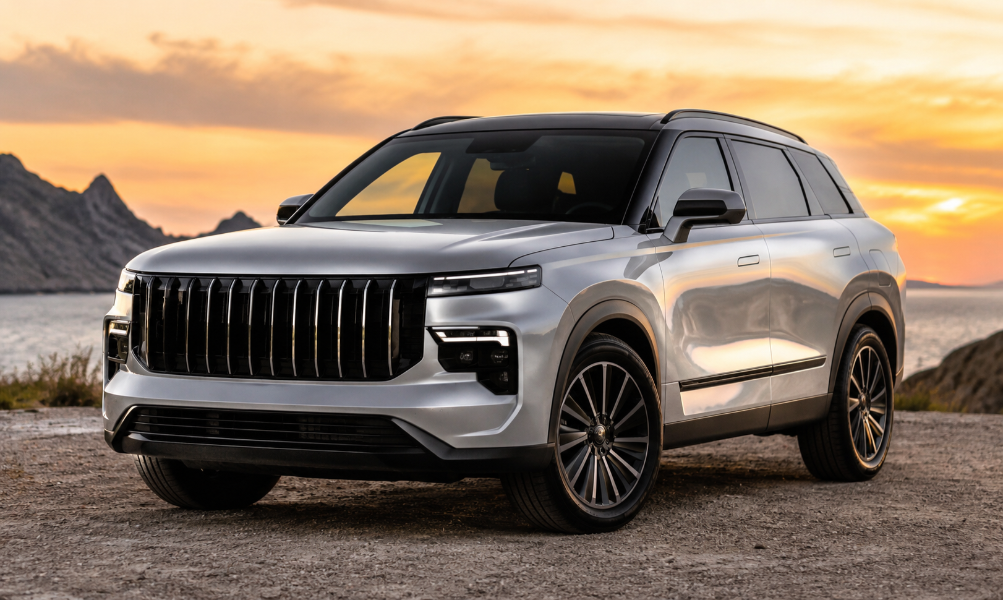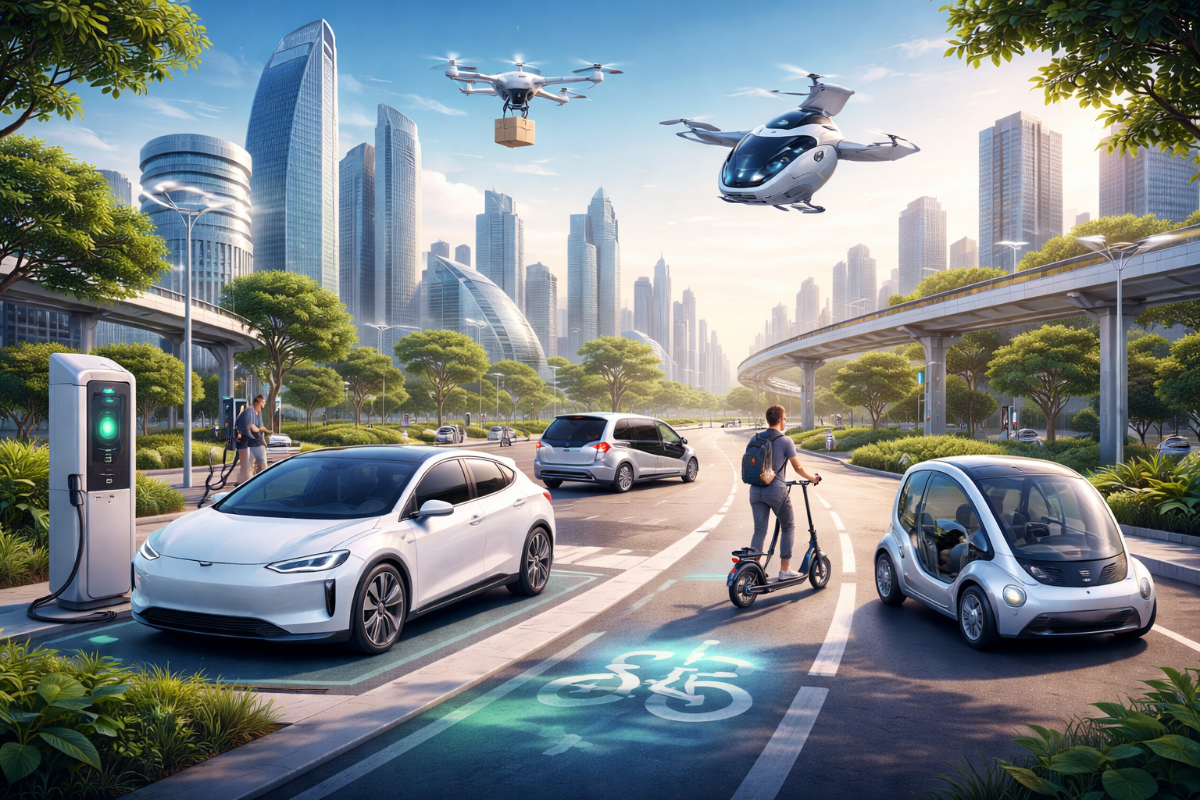
The Future of Personal Mobility is transforming how people travel, commute, and interact with transportation systems. Rapid technological progress, environmental concerns, and changing urban lifestyles are driving innovation across the mobility sector. From electric vehicles to autonomous driving and smart transportation networks, the way individuals move from place to place is evolving faster than ever.
Traditionally, personal mobility relied on privately owned vehicles powered by fossil fuels. However, modern transportation is shifting toward cleaner, smarter, and more connected solutions. Moreover, advances in artificial intelligence, digital infrastructure, and sustainable technologies are redefining the entire mobility ecosystem.
Consequently, cities, governments, and technology companies are investing heavily in new transportation systems that promise safer roads, lower emissions, and more efficient travel. Understanding the Future of Personal Mobility helps individuals, businesses, and policymakers prepare for a rapidly changing transportation landscape.
Evolution of Personal Mobility
Personal mobility has undergone several major transformations over the last century. Each stage reflects changes in technology, society, and infrastructure.
Early Personal Transportation
In the early 20th century, personal transportation shifted dramatically with the introduction of automobiles. Cars quickly replaced horse-drawn carriages and became the dominant form of mobility.
Key characteristics included:
-
Gasoline-powered vehicles
-
Individual ownership models
-
Limited technological integration
-
Infrastructure designed around cars
However, these systems also created challenges such as traffic congestion, pollution, and urban sprawl.
Digital Transformation of Mobility
In recent decades, digital technologies have begun reshaping mobility.
Important developments include:
-
Ride-hailing platforms
-
Navigation and mapping applications
-
Smart traffic systems
-
Mobile payment integration
Moreover, transportation is now becoming data-driven, allowing cities to optimize traffic flow and improve commuting efficiency.
Emerging Technologies Driving the Future of Personal Mobility
Technological innovation is the primary force shaping the Future of Personal Mobility. Several groundbreaking technologies are changing how transportation works.
Electric Vehicles (EVs)
Electric vehicles represent one of the most significant mobility shifts of the 21st century.
Benefits include:
-
Zero tailpipe emissions
-
Lower operating costs
-
Reduced reliance on fossil fuels
-
Quiet and efficient operation
Governments worldwide are supporting EV adoption through subsidies, charging infrastructure, and environmental policies.
Moreover, battery technology continues to improve, allowing longer driving ranges and faster charging times.
Autonomous Driving
Autonomous or self-driving vehicles use sensors, cameras, artificial intelligence, and machine learning to navigate roads without human input.
Potential advantages include:
-
Reduced human error in accidents
-
Improved traffic flow
-
Enhanced mobility for elderly and disabled individuals
-
Greater efficiency in transportation systems
However, regulatory challenges and safety concerns still need to be addressed before full-scale deployment.
Smart Mobility Systems
Smart mobility integrates digital technology with transportation infrastructure.
Examples include:
-
Real-time traffic monitoring
-
Smart traffic lights
-
Integrated transport apps
-
Mobility-as-a-Service (MaaS) platforms
Consequently, commuters can plan routes, compare transportation options, and pay for services through a single digital platform.
Urban Mobility Solutions for Modern Cities
Urbanization is accelerating worldwide. Therefore, cities must develop innovative mobility solutions to accommodate growing populations.
Shared Transportation
Shared mobility is becoming a cornerstone of future transportation systems.
Examples include:
-
Ride-sharing services
-
Car-sharing platforms
-
Bike-sharing programs
-
Electric scooter rentals
These systems reduce the need for personal vehicle ownership while improving accessibility and convenience.
Moreover, shared mobility helps reduce traffic congestion and parking demand in dense urban areas.
Micro-Mobility
Micro-mobility refers to small, lightweight vehicles designed for short-distance travel.
Common examples include:
-
Electric scooters
-
Electric bicycles
-
Compact urban vehicles
-
Personal electric mobility devices
These solutions are ideal for first-mile and last-mile transportation, connecting commuters to public transit systems.
Integrated Public Transport
Future cities will rely heavily on integrated transportation networks.
This includes:
-
Smart bus and rail systems
-
Connected ticketing platforms
-
Real-time transit tracking
-
Seamless multi-modal journeys
Consequently, commuters will be able to move between transportation modes smoothly and efficiently.
AI, Connectivity, and Smart Infrastructure
Artificial intelligence and digital connectivity are transforming mobility ecosystems.
Artificial Intelligence in Mobility
AI is improving transportation in several ways:
-
Predictive traffic management
-
Autonomous vehicle navigation
-
Smart logistics and delivery systems
-
Real-time mobility analytics
Moreover, AI enables cities to predict traffic congestion and adjust traffic signals accordingly.
Internet of Things (IoT) in Transportation
The Internet of Things connects vehicles, infrastructure, and users through digital networks.
Examples include:
-
Connected vehicles communicating with traffic signals
-
Smart parking systems
-
Real-time road condition monitoring
-
Vehicle-to-vehicle communication
Consequently, transportation networks become more efficient and safer.
Smart Infrastructure
Future mobility also relies on intelligent infrastructure such as:
-
Smart highways
-
EV charging networks
-
Autonomous vehicle lanes
-
Intelligent traffic management systems
These innovations ensure transportation systems operate efficiently while supporting new mobility technologies.
Global Transportation Trends
The Future of Personal Mobility is influenced by several global trends.
Sustainability and Green Mobility
Environmental sustainability is now a major focus for transportation development.
Key priorities include:
-
Reducing carbon emissions
-
Promoting electric vehicles
-
Encouraging public transportation
-
Supporting alternative fuels
Therefore, governments and companies are investing heavily in green mobility solutions.
Urbanization and Population Growth
More than half of the world’s population lives in cities today. This number continues to rise.
Consequently, urban transportation systems must become:
-
More efficient
-
Less congested
-
Environmentally friendly
-
Accessible to all citizens
Smart mobility solutions will play a crucial role in achieving these goals.
Digital Mobility Ecosystems
Mobility is evolving into a connected ecosystem that integrates technology, infrastructure, and transportation services.
These ecosystems combine:
-
Data platforms
-
Mobility applications
-
Shared transportation services
-
Smart infrastructure
Moreover, this integration improves efficiency and creates a better user experience for commuters.
Traditional Transportation vs Future Mobility Technologies
| Feature | Traditional Transportation | Future Mobility Technologies |
|---|---|---|
| Energy Source | Fossil fuels | Electric and renewable energy |
| Vehicle Control | Human-driven | Autonomous or AI-assisted |
| Connectivity | Limited | Fully connected systems |
| Environmental Impact | High emissions | Low or zero emissions |
| Efficiency | Traffic congestion common | Smart traffic management |
| User Experience | Independent travel | Integrated mobility platforms |
This comparison clearly shows how the Future of Personal Mobility focuses on efficiency, sustainability, and connectivity.
Personal Mobility Solutions and Their Benefits
| Mobility Solution | Key Benefits | Ideal Use Case |
|---|---|---|
| Electric Vehicles | Low emissions, lower fuel cost | Daily commuting |
| Autonomous Vehicles | Safer driving, reduced accidents | Long-distance travel |
| Ride-Sharing | Cost-efficient, flexible | Urban transportation |
| Micro-Mobility | Fast short trips, eco-friendly | Last-mile travel |
| Public Transit Integration | High capacity, efficient | City-wide commuting |
Each solution contributes to a diverse mobility ecosystem that improves accessibility and reduces environmental impact.
Challenges Facing the Future of Personal Mobility
Despite its promise, the Future of Personal Mobility faces several challenges.
Infrastructure Limitations
Many cities lack infrastructure for emerging technologies.
Examples include:
-
Insufficient EV charging stations
-
Limited smart road infrastructure
-
Lack of dedicated lanes for micro-mobility
Therefore, governments must invest in modern transportation infrastructure.
Regulatory and Safety Concerns
Autonomous vehicles and new mobility technologies require updated regulations.
Authorities must address issues such as:
-
Safety standards
-
Data privacy
-
Cybersecurity risks
-
Liability in autonomous accidents
Public Adoption
Consumer acceptance plays a major role in mobility transformation.
Some people remain hesitant due to:
-
Safety concerns about autonomous vehicles
-
Range anxiety with electric cars
-
Cost barriers for new technologies
However, continued innovation and public awareness will gradually increase adoption.
The Road Ahead for Personal Mobility
Looking ahead, the Future of Personal Mobility will likely feature highly connected transportation systems that prioritize sustainability and efficiency.
Key developments expected in the coming decades include:
-
Widespread adoption of electric vehicles
-
Fully autonomous transportation networks
-
Smart cities with integrated mobility systems
-
AI-driven traffic management
-
Expansion of micro-mobility solutions
Moreover, mobility services may shift from vehicle ownership to mobility-as-a-service models, where individuals access transportation on demand.
Consequently, transportation will become more flexible, cost-effective, and environmentally responsible.
Frequently Asked Questions
What is meant by the Future of Personal Mobility?
The Future of Personal Mobility refers to the next generation of transportation systems that use advanced technologies such as electric vehicles, autonomous driving, and smart mobility platforms.
Why is personal mobility changing?
Personal mobility is evolving due to technological innovation, environmental concerns, urbanization, and the need for more efficient transportation systems.
How do electric vehicles impact future mobility?
Electric vehicles reduce carbon emissions, lower operating costs, and support sustainable transportation systems.
What role does artificial intelligence play in mobility?
AI helps optimize traffic management, enable autonomous driving, improve transportation safety, and enhance mobility planning.
Will people still own cars in the future?
Car ownership may decline in some cities as shared mobility services and mobility-as-a-service platforms become more common.