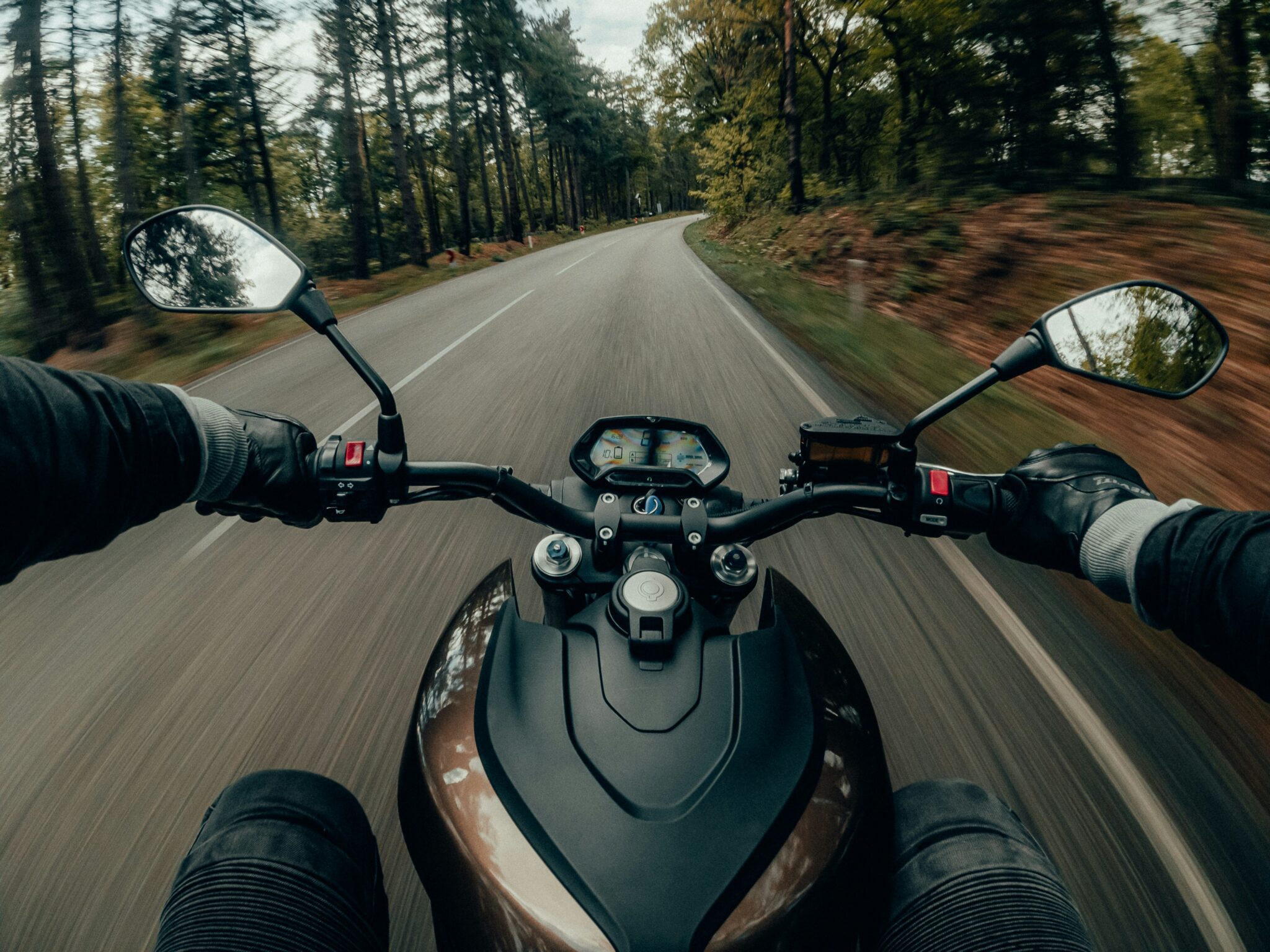
Riding a motorcycle offers a sense of freedom that few other activities can match. The open road and the wind in your face create a unique connection to your surroundings. Safety should always stay at the top of your mind to keep these experiences positive. Whether you ride every day or just on weekends, being prepared makes a massive difference.
Choose the Right Gear
Your safety starts with what you wear before you even start the engine. A high-quality helmet is the most critical piece of equipment for any rider. One report found that about 74 percent of motorcyclists in the US use helmets that meet safety standards.
Jackets and pants made of leather or reinforced textiles provide a layer of protection against road rash. Boots should cover your ankles to prevent injuries during a tip-over. Padded gloves are a smart choice since hands often hit the ground first during a fall. High-visibility colors help other drivers spot you from a distance.
Practice Defensive Riding Skills
Staying alert helps you spot potential hazards before they become a problem. Many accidents happen at intersections where drivers might not see a smaller vehicle. You should assume other drivers do not see you and position yourself for maximum visibility.
If you are injured in a collision, contacting a bike accident attorney can help you navigate the legal process. Legal professionals understand the specific laws that apply to two-wheeled vehicles. This support allows you to focus on your recovery while someone else handles the paperwork.
Taking a safety course can help you master maneuvers like emergency braking and swerving. Professional instructors provide tips that might save your life in a tight spot. Keeping a safe following distance gives you more time to react if a car stops suddenly.
Maintain Your Motorcycle Regularly
A well-maintained bike is a safer bike. You should check your tire pressure and tread depth every week. Worn tires can lose grip – especially on wet or slippery roads. Small mechanical issues can quickly turn into big problems at high speeds.
- Check brake pads for wear
- Inspect all lights and signals
- Test the throttle and clutch
- Look for any fluid leaks
Brakes are perhaps the most vital component to monitor. Keeping your chain lubricated and adjusted ensures smooth power delivery to the rear wheel. Simple checks prevent mechanical failures that could lead to a loss of control. It only takes a few minutes to walk around your bike before a long trip.
Watch Your Speed
Speeding reduces the amount of time you have to avoid an obstacle. It also increases the distance needed to come to a full stop. Recent traffic data suggests that unsafe speed was the primary cause in over 28 percent of serious motorcycle crashes.
Traveling at a pace that matches the flow of traffic is usually the safest bet. Wet weather or gravel on the road requires you to slow down even more. Mastering throttle control helps you maintain stability through corners and over uneven surfaces. Racing belongs on a track – not on public streets where variables are unpredictable.
Stay Focused and Sharp
Distractions are dangerous for bikers. You need your full attention to balance the machine and monitor your environment. Avoid using mobile devices or complex navigation systems while moving. Even a split second of looking down can lead to a dangerous situation.
Fatigue can slow your reaction times. If you feel tired during a long trip, take a break and stretch your legs. Staying hydrated and well-rested keeps your mind sharp for the journey ahead. Riding while under the influence of any substance is a risk that is never worth taking.
Share the Road Responsibly
Effective communication with other drivers prevents many close calls. Use your turn signals early to let others know your intentions. Tapping your brakes lightly can flash your tail light to alert people behind you that you are slowing down.
Avoid riding in the blind spots of trucks and large SUVs. If you cannot see their mirrors, they cannot see you. Being a predictable rider makes it easier for everyone else to share the space safely. Patience is a virtue when navigating heavy city traffic or merging onto busy highways.
Invest in Modern Safety Tech
Many newer bikes come with advanced safety features. Traction control helps manage power to the rear wheel on slippery surfaces. Anti-lock braking systems prevent your wheels from locking up during a panic stop.
- Electronic stability control
- Adaptive headlights for night riding
- Integrated tire pressure monitors
- Heated grips to maintain hand dexterity
These tools provide an extra layer of security, but they do not replace good riding habits. Technology works best when combined with a rider who understands the fundamentals. Keeping your skills sharp ensures you can handle the bike even if the electronics are not active.
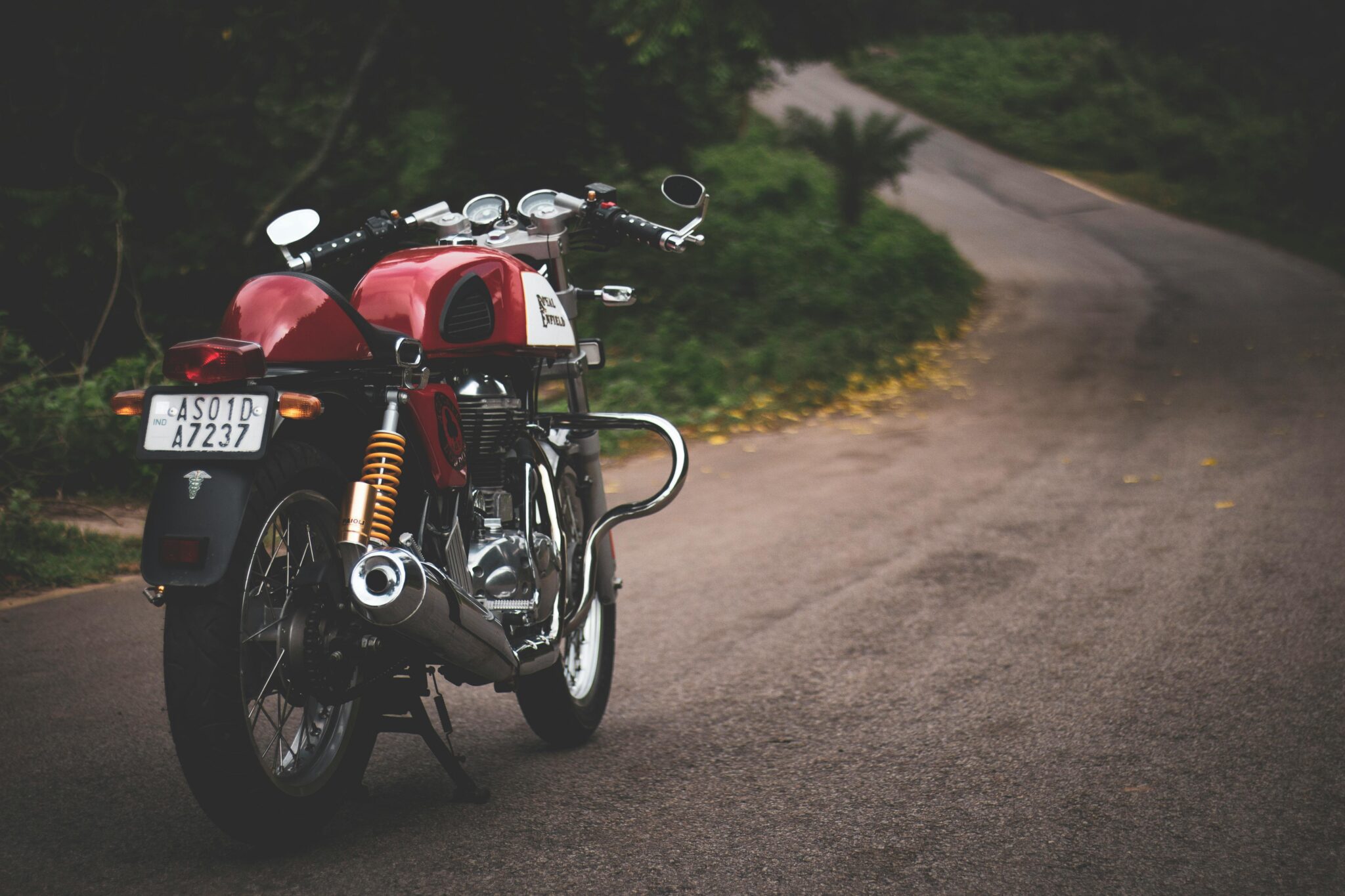
Protecting yourself on a motorcycle involves a mix of the right equipment and smart habits. Each trip is an opportunity to practice these skills and improve your safety. When you prioritize your well-being, you can enjoy the ride with much more confidence. The road is waiting for you to explore it safely and responsibly. Have a great time out there and keep your eyes moving at all times.