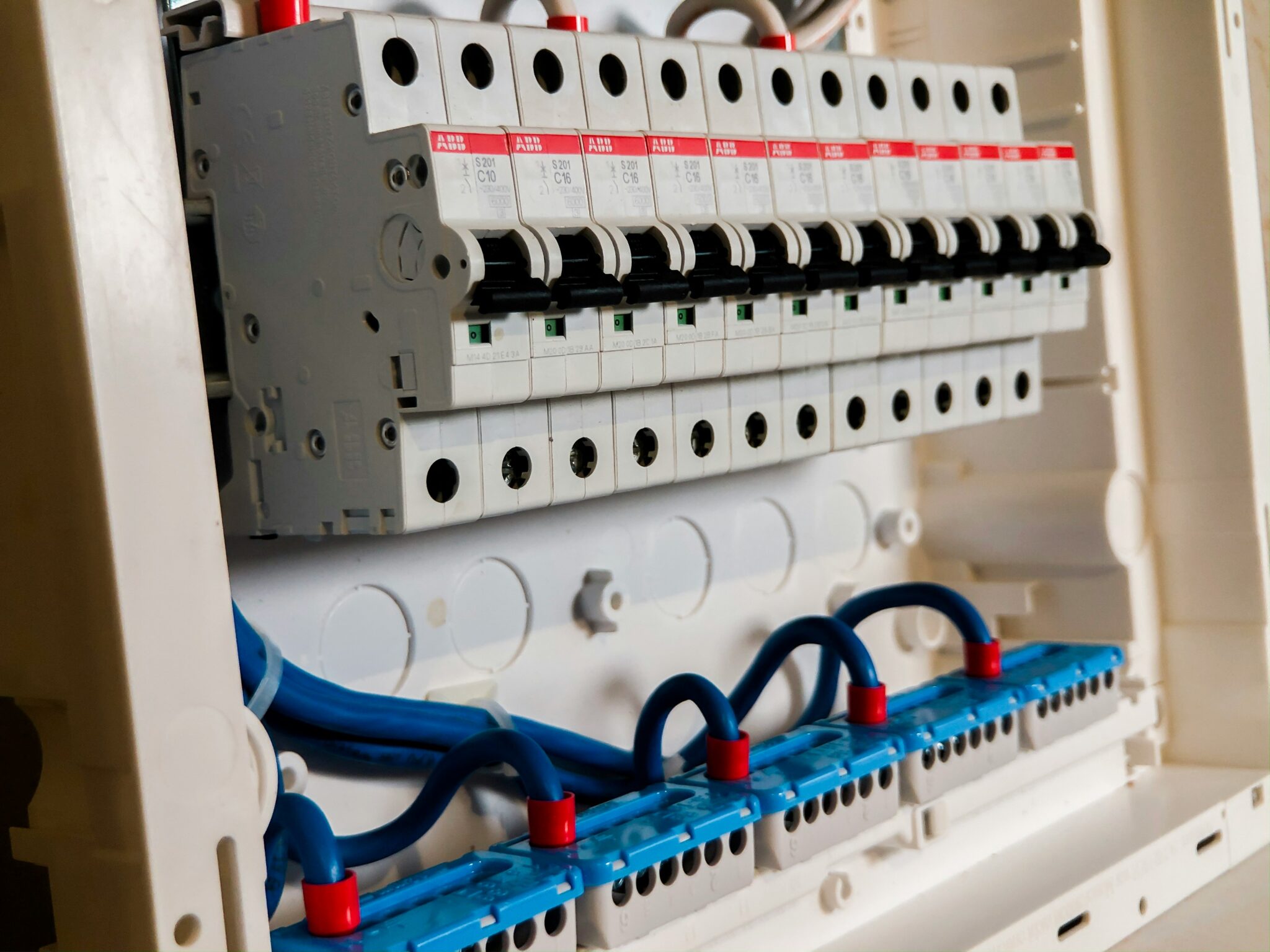
When these systems are designed, installed, and maintained correctly, they contribute directly to occupant safety, operational reliability, and long-term building performance.
Electrical services go beyond simple wiring. They involve careful planning, adherence to safety standards, and ongoing evaluation to keep pace with changing usage demands.
Understanding how professional electrical services support modern buildings helps property owners and managers make informed decisions that protect both people and assets.
Electrical Planning as the Foundation of Building Safety
Electrical safety starts long before a switch is flipped. Proper planning guarantees that systems can handle expected loads without overheating, tripping breakers, or creating fire risks.
In modern buildings, this planning phase must account for technology-heavy environments, energy-efficient appliances, and future expansion. Working with experienced providers such as A1 Plus electrical services in Houston, Boston, or anywhere local to you allows building owners to align electrical layouts with real-world usage. Load calculations, panel sizing, circuit distribution, and grounding strategies are all evaluated to reduce hazards and improve reliability.
When electrical systems are designed around actual demand rather than estimates, safety margins increase significantly.
Thoughtful planning supports compliance with local building codes and national electrical standards, reducing the risk of violations that can delay occupancy or lead to costly corrections later.
Reliable Power Distribution Across Building Systems
A modern building depends on consistent power delivery across many interconnected systems. Lighting, HVAC, elevators, access control, and communication networks all require a stable electrical supply.
Faults in one area can quickly cascade into broader disruptions if systems are not properly isolated and protected.
Professional electrical services focus on balanced distribution, redundancy where necessary, and protective devices such as surge protection and circuit breakers. These measures limit downtime and help systems recover quickly from power fluctuations or external grid issues.
Reliability becomes critical in environments such as hospitals, data centers, and multi-tenant commercial buildings, where interruptions can impact safety, productivity, or revenue.
Preventing Electrical Hazards Through Maintenance
Even well-designed systems degrade over time. Wiring insulation can wear, connections may loosen, and components can become outdated as building usage evolves. Regular electrical maintenance plays a central role in identifying risks before they turn into incidents.
Routine inspections often uncover issues such as overloaded circuits, aging panels, or improper modifications made during renovations. Addressing these findings early reduces the likelihood of electrical fires, equipment failure, or unexpected outages.
Maintenance programs allow electricians to recommend upgrades that improve efficiency and resilience, keeping systems aligned with current safety expectations.
Supporting Fire Prevention and Emergency Preparedness
Electrical faults remain a leading cause of building fires. Proper installation and monitoring significantly reduce this risk. Modern electrical services incorporate safeguards that detect abnormal conditions, isolate affected circuits, and minimize ignition potential.
Emergency systems depend on electrical reliability. Backup generators, battery storage, emergency lighting, and alarm systems must function instantly during power loss. Electrical professionals test and maintain these systems so they operate as intended during emergencies.
A coordinated approach to emergency power guarantees that evacuation routes remain lit, communication systems stay active, and critical operations continue until normal power is restored.
Adapting to Modern Energy Demands
Buildings today consume electricity differently than they did even a decade ago. Electric vehicle charging, smart building technology, advanced security systems, and increased device usage all place new demands on electrical infrastructure.
Electrical services help buildings adapt by upgrading panels, adding circuits, and integrating energy management solutions.
These upgrades support growth without compromising safety or performance. Planning for scalability guarantees that new technologies can be adopted without overloading existing systems.
Energy-efficient upgrades, such as LED lighting and smart controls, further improve reliability by reducing strain on circuits and lowering consumption.
Ensuring Code Compliance and Risk Reduction
Electrical codes exist to protect occupants and property. Compliance reduces liability and demonstrates responsible building management. Professional electricians stay current with evolving regulations and guarantee installations meet required standards.
Code-compliant systems are easier to insure, sell, and maintain. They simplify future renovations, since baseline safety requirements are already met. Consistent compliance reviews help prevent small deviations from becoming significant safety concerns.
Key Areas Where Electrical Services Improve Performance
Electrical services contribute to safety and reliability across multiple building functions, including:
- Power distribution and load balancing
- Emergency and backup power systems
- Lighting safety and efficiency
- Fire prevention through proper wiring and protection
- Support for technology and communication systems
Each area reinforces the others, creating an integrated system that supports daily operations and long-term resilience.
Long-Term Value of Professional Electrical Support
Investing in professional electrical services delivers value beyond immediate safety benefits. Reliable systems reduce downtime, extend equipment lifespan, and support consistent building performance.
This reliability translates into lower maintenance costs, fewer disruptions, and increased occupant confidence.
Electrical systems often operate behind the scenes, and their impact is constant. Buildings that prioritize quality electrical work experience fewer surprises and greater adaptability as needs change.

Building Confidence Through Electrical Reliability
Safety and reliability are not static goals. They require ongoing attention, informed decision-making, and skilled execution. Electrical services play a central role in maintaining this balance, supporting everything from daily comfort to emergency readiness.
By prioritizing proper planning, maintenance, and adaptation, modern buildings remain safe, functional, and prepared for future demands.
Reliable electrical infrastructure provides the confidence that systems will perform when needed, supporting both people and operations in every environment.