Winter fashion is about more than simply wearing the thickest coat you can find. The right layering technique can keep you warm while allowing you to create stylish, comfortable outfits for different occasions. By combining lightweight base layers, insulating mid-layers, and weather-resistant outerwear, you can stay cozy without looking bulky.
Start With a Comfortable Base Layer
The base layer sits directly against your skin and plays an important role in keeping you comfortable. Choose lightweight tops made from materials that help manage moisture and retain warmth.
Thermal tops, fitted long-sleeve shirts, and lightweight wool or technical fabrics can work well. Avoid overly bulky base layers because they can make the rest of your outfit uncomfortable.
Add a Warm Mid-Layer
The middle layer provides insulation. Depending on the temperature, this could be a sweater, cardigan, fleece, knit vest, or lightweight jacket.
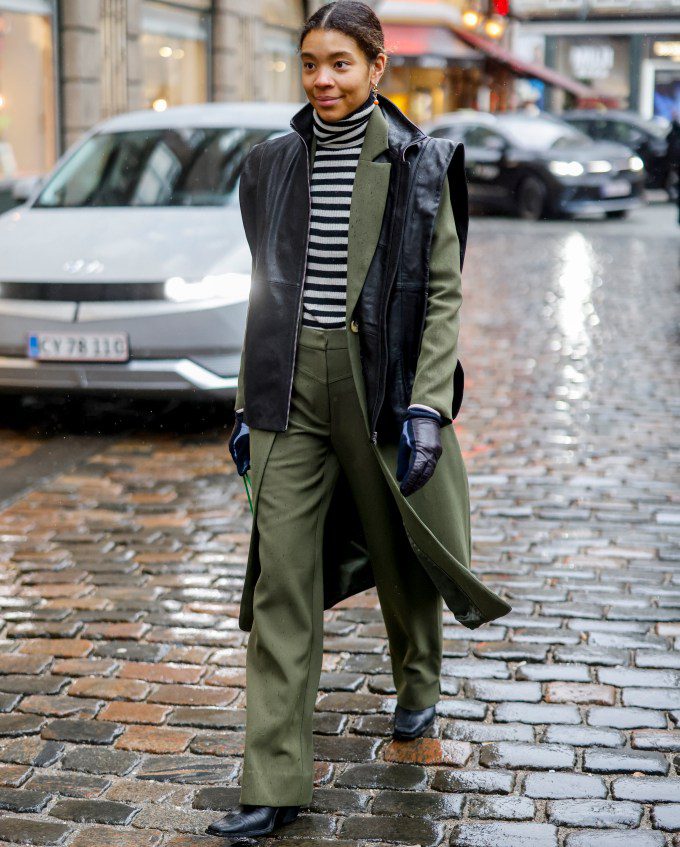
For a polished appearance, choose one substantial mid-layer rather than wearing several thick sweaters. A fitted turtleneck underneath a slightly oversized sweater, for example, creates warmth while maintaining a balanced silhouette.
Finish With an Appropriate Outer Layer
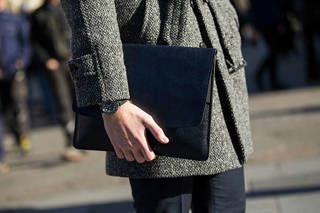
Your outer layer protects you from cold temperatures, wind, and precipitation. Depending on the weather, options include a wool coat, puffer jacket, parka, trench coat, or insulated winter jacket.
For everyday wear, a versatile neutral-colored coat can work with jeans, trousers, skirts, and dresses. If you live in a particularly cold or wet climate, prioritize insulation and weather resistance over appearance alone.
Layer Dresses for Winter
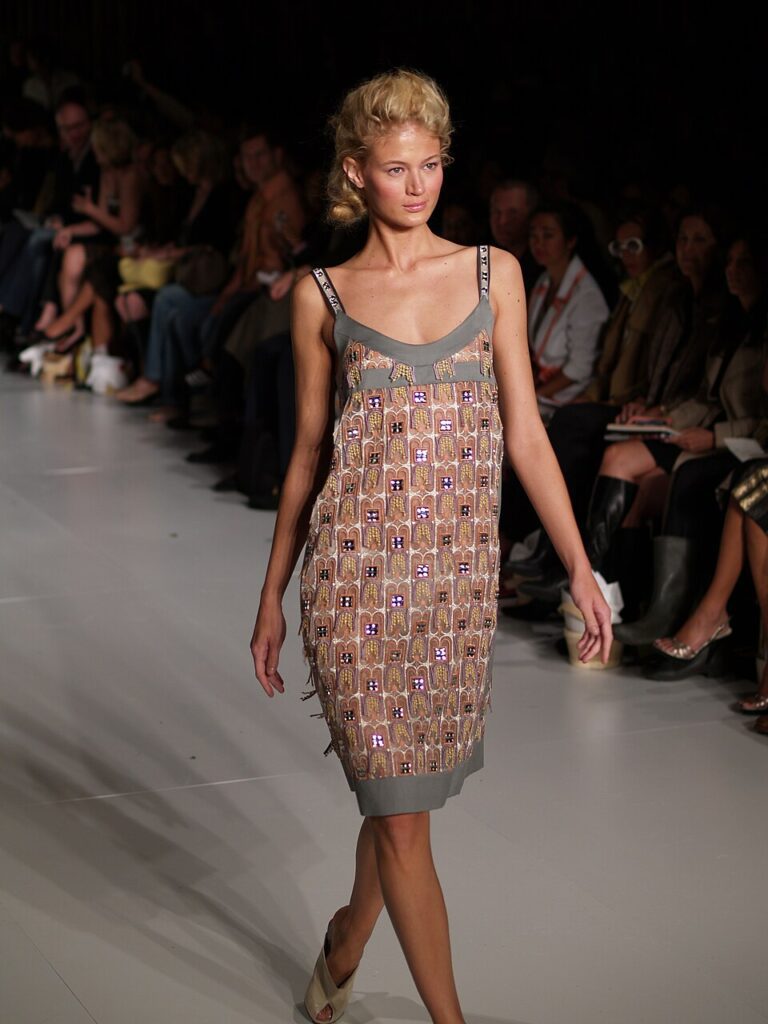
You do not have to stop wearing dresses when temperatures drop. A fitted thermal top can be worn underneath a dress, while tights or leggings can provide additional warmth.
Finish the outfit with boots and a warm coat. A cardigan, cropped jacket, or blazer can also be added between the dress and outerwear for extra insulation.
Combine Different Textures
Layering does not have to look boring. Mixing textures can make a winter outfit more visually interesting.
Try combining materials such as:
- Soft knitwear with denim
- Wool with leather or faux leather
- Ribbed fabrics with smooth outerwear
- Fleece with cotton
- Chunky knits with tailored trousers
The contrast between textures adds depth without requiring bright colors or excessive accessories.
Pay Attention to Proportions
Good layering is largely about balance. If you are wearing a chunky sweater, consider pairing it with straight-leg or fitted trousers. If your outer coat is oversized, a more streamlined outfit underneath can create a balanced silhouette.
Another effective approach is to vary lengths. A longer shirt or blouse peeking out underneath a sweater can create a stylish layered effect.
Choose a Coordinated Color Palette
Neutral colors make winter layering easier because they can be combined in many ways. Black, cream, gray, camel, navy, brown, and burgundy are versatile choices.
You can also create a monochromatic outfit by wearing different shades of the same color. For example, cream trousers, a beige sweater, and a camel coat can create an elegant winter look.
Do Not Forget Accessories
Winter accessories are both practical and fashionable. A scarf, gloves, hat, and warm socks can provide additional protection from cold weather.
A large scarf can also add color or texture to a simple outfit. Choose accessories that complement your coat and shoes rather than making every item a separate statement piece.
Choose the Right Footwear
Cold-weather footwear should provide warmth, comfort, and traction. Ankle boots, knee-high boots, insulated boots, and weather-resistant sneakers can all work depending on the conditions.
If you wear boots with thick socks, make sure they still fit comfortably. Tight footwear can become uncomfortable and may not provide the warmth you expect.
Avoid Excessive Bulk
The purpose of layering is to trap warmth efficiently, not to wear as many clothes as possible. Several lightweight layers can often provide better flexibility than a few extremely heavy garments.
If your outfit feels restrictive, remove a layer or replace a bulky piece with a thinner insulating material. This allows you to adjust your clothing as temperatures change throughout the day.
Adapt Your Layers to the Weather
The best winter outfit depends on your environment. Mild winter weather may require only a long-sleeve top, sweater, and coat, while extremely cold conditions may call for thermal clothing, insulation, and weatherproof outerwear.
Layering also makes it easier to adapt when moving between cold outdoor temperatures and heated indoor spaces.
Final Thoughts
The best winter layering technique combines comfort, warmth, practicality, and personal style. Start with a lightweight base, add an insulating middle layer, and finish with suitable outerwear. Pay attention to proportions, textures, colors, footwear, and accessories to create outfits that are both functional and fashionable.
With the right combination of layers, winter dressing can become an opportunity to experiment with different styles while staying warm and comfortable throughout the season.