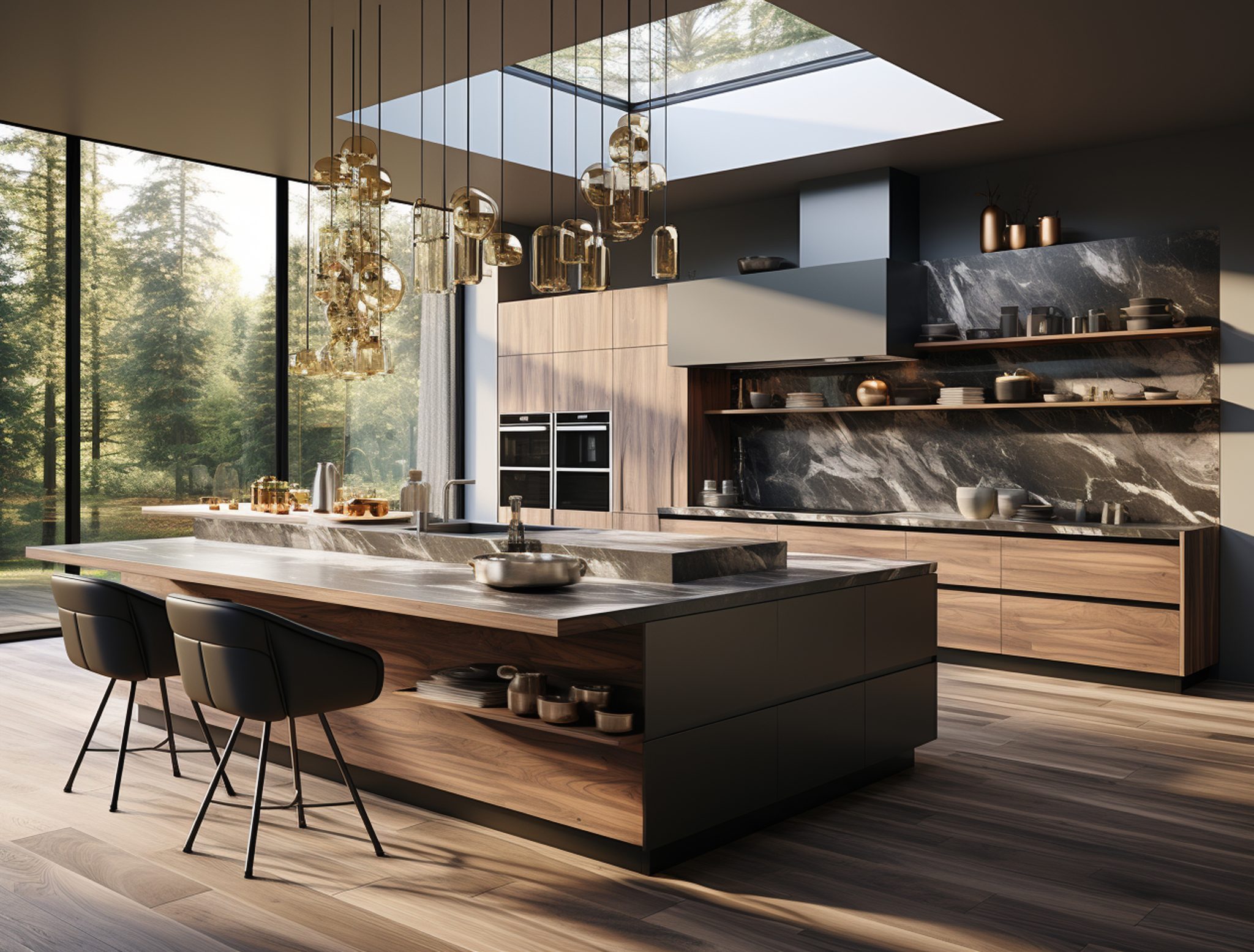
In modern homes, kitchen design is not just about functionality; it also reflects style and personality. One of the most crucial elements that define a kitchen’s appearance and usability is the kitchen cabinets. These cabinets serve as both storage solutions and visual focal points, shaping the overall look of the space. Choosing the right cabinets involves considering materials, design, color, and installation methods to ensure both utility and aesthetic appeal.
1. Materials Used in Cabinet Construction
Choosing the right material is essential for durability, appearance, and maintenance. Different kitchen cabinets material can significantly impact both the look and lifespan of kitchen cabinets. Understanding the pros and cons of each material helps homeowners make informed decisions.
Solid Wood Cabinets
Solid wood remains a popular choice for its natural warmth and timeless appeal. With proper care, wood cabinets can last decades, offering a rich, classic look. They are versatile and can be stained or painted to match a wide range of kitchen designs.
Engineered Wood Options
Plywood and fiberboard are cost-effective alternatives to solid wood. These materials are stable, easier to work with, and less prone to warping. Engineered options also allow for consistent finishes and seamless installation, making them a practical choice for modern kitchens.
2. Design Styles to Consider
The design of kitchen cabinets directly influences the overall aesthetic of a modern home. From minimalist trends to subtle elegance, selecting the right style ensures harmony between functionality and visual appeal. Choosing the appropriate style also helps define the mood of the kitchen and complements other interior elements, such as countertops, flooring, and lighting.
Flat Panel or Slab Cabinets
Flat panel doors provide a clean, simple aesthetic, perfect for contemporary kitchens. They are easy to maintain and offer a sleek, uninterrupted surface that complements modern décor.
Shaker-Style Cabinets
Shaker cabinets remain a classic choice due to their understated elegance and functional design. Their subtle detailing adds character without overwhelming the space.
Handleless Cabinets
Ideal for minimalists, handleless cabinets create a seamless, uncluttered appearance. They enhance the perception of space and are often used in high-end, modern kitchen designs.
3. Color Choices and Their Impact
Color selection plays a key role in shaping a kitchen’s ambiance, affecting space perception, mood, and how cabinets blend with other design elements. Timeless neutrals like white, beige, and gray offer versatility and calm, pairing well with various countertops and flooring. Bold shades such as navy, charcoal, emerald, or deep red add depth and sophistication but should harmonize with the overall palette. Matte finishes give a soft, understated look, while glossy surfaces reflect light, making small kitchens feel more spacious and practical.
4. Storage Solutions for Modern Needs
Modern kitchen cabinets go beyond simple shelving; they are designed for efficiency, convenience, and maximizing space. Effective storage solutions help maintain an organized, functional kitchen.
- Pull-Out Trays and Lazy Susans: These features improve accessibility to hard-to-reach areas, making it easier to store and retrieve pots, pans, and pantry items.
- Deep Drawers and Vertical Dividers: Deep drawers accommodate bulky cookware, while vertical dividers are perfect for baking sheets, cutting boards, and trays.
- Built-In Racks and Appliance Garages: Keeping countertops clean and clutter-free, built-in racks for spices or hidden appliance garages combine style with practicality. Soft-close mechanisms ensure quiet operation while preserving longevity.5. Installation Methods and Their Effects
5. Installation Methods and Their Effects
How kitchen cabinets are installed influences their stability, appearance, and usability. Choosing the right method ensures a durable and aesthetically pleasing outcome.
Stock Cabinets
Pre-made stock cabinets are easy to install and suitable for standard-sized kitchens. They are a quick, practical option but offer limited customization.
Semi-Custom Cabinets
Semi-custom cabinets allow modifications in dimensions and finishes, balancing affordability with personalization. They are ideal for homeowners seeking flexibility without a full custom project.
Custom Cabinets
Fully customized cabinets cater to non-standard layouts and unique design preferences. They maximize storage, fit perfectly in complex spaces, and offer limitless material and finish options.
Frameless or European-Style Cabinets
Frameless cabinets provide more interior storage space and a sleek, modern look. They are ideal for contemporary kitchens, offering clean lines and efficient organization.
6. Sustainability and Eco-Friendly Choices
Eco-friendly kitchen materials are becoming increasingly popular. Using wood from responsibly managed forests, low-VOC products, or cabinets made from recycled wood or metal reduces environmental impact, enhances indoor air quality, and promotes sustainability, all without compromising durability or design.
7. Maintenance and Longevity
If properly maintained, well-chosen kitchen cabinets can last for many decades. Wood cabinets will need regular cleaning and the occasional rubdown with oil. Typically, engineered surfaces can be maintained with a damp cloth. Metal surfaces resist staining but should avoid abrasive cleaners. Soft-close mechanisms and hinges require periodic inspection to maintain smooth operation. Following the manufacturer’s instructions prevents wear and prolongs the cabinet’s lifespan.
Conclusion
Choosing kitchen cabinets for modern interiors comes with plenty of options. The function and aesthetics are determined by each of the following factors: material, design, color, storage, and installation. Options that are eco-friendly and long-lasting help facilitate healthy and sustainable homes. Considering these elements carefully will result in homes that look good yet function well, kitchens just like that.