In today’s globally connected world, communication across languages has become more critical than ever. Imagine attending a business meeting with partners from different countries or watching a documentary in a foreign language. Understanding and retaining the message can be challenging. This is where an AI Audio Translator comes into play, bridging the gap between languages with speed and precision. In this article, we’ll explore how AI-powered audio translation works, its real-world applications, and why it’s transforming the way we communicate.
What Is an AI Audio Translator?
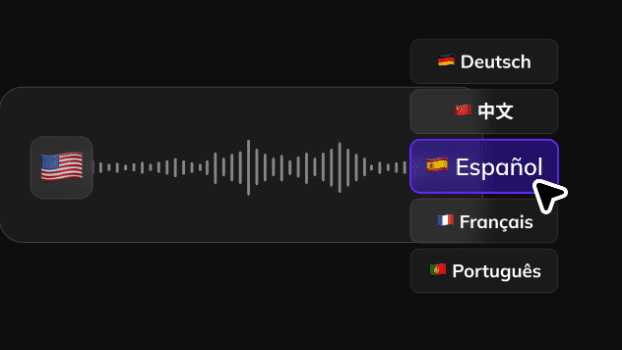
An AI audio translator is a technology that converts spoken words from one language to another in real-time or through pre-recorded audio files. Unlike traditional translation methods that rely on human interpreters or manual transcription, AI translators leverage machine learning, natural language processing (NLP), and speech recognition to deliver near-instant translations.
This technology is not just about translating words—it preserves the tone, context, and nuances of the original audio, making it much more accurate and natural. For instance, in online courses, AI translators allow students worldwide to learn without language barriers, making education more inclusive and accessible.
How AI Audio Translators Work
AI audio translators combine several sophisticated technologies:
- Speech Recognition: Converts spoken words into text.
- Language Processing: Uses AI models to understand context, slang, and idioms.
- Machine Translation: Translates the text into the target language.
- Text-to-Speech Conversion: Converts the translated text back into natural-sounding audio.
By integrating these components, AI audio translators ensure seamless communication across languages without losing the speaker’s original tone or emotion.
Practical Applications of AI Audio Translation
AI audio translators are not just a futuristic concept—they are already reshaping multiple industries. Here are some key areas where they are making a significant impact:
1. Global Business Meetings
Companies with international teams often face language barriers that slow down collaboration. AI audio translators allow real-time translation during video conferences, enabling participants to understand each other instantly. This reduces misunderstandings and boosts productivity.
2. Education and E-Learning
Educational content is increasingly global, and students may encounter lectures or tutorials in unfamiliar languages. AI audio translators make it possible to access diverse learning materials without language constraints, enhancing both comprehension and engagement.
3. Entertainment Industry
Movies, TV shows, and podcasts can now reach audiences worldwide without manual dubbing or subtitles. By integrating tools like an AI Sound Effect Generator alongside AI translation, creators can enhance audio quality, synchronize voices, and make content culturally relevant.
4. Travel and Tourism
Travelers often struggle to communicate in foreign countries. AI audio translators installed in smartphones or wearable devices can translate conversations in real-time, providing a smoother, more immersive travel experience.
Benefits of Using AI Audio Translators
The rise of AI audio translation brings several advantages for users and businesses alike:
- Speed and Efficiency: Traditional translation can take hours; AI translators provide near-instant results.
- Cost-Effective: Eliminates the need for hiring multiple interpreters for events or content localization.
- Accessibility: Makes content available to global audiences, breaking down language barriers.
- Consistency: AI translators maintain uniformity across documents, audio files, and multimedia content.
For content creators, integrating AI audio translation with tools like an AI Sound Effect Generator can elevate audio quality, making the final product engaging and professional.
Tips for Maximizing AI Audio Translation
To get the most out of AI audio translation tools, consider the following tips:
- Use Clear Audio Sources: Background noise and poor recording quality can reduce translation accuracy.
- Select Context-Specific Languages: Some AI translators perform better with specific dialects or professional jargon.
- Combine With Audio Enhancement Tools: Using an AI sound effect generator can enhance voice clarity, remove background noise, and create a more natural listening experience.
- Regularly Update AI Tools: AI translation technology evolves rapidly; keeping software updated ensures better accuracy and performance.
Real-World Examples
- Multinational Conferences: International tech companies now use AI audio translators to conduct seamless webinars with participants speaking different languages.
- YouTube Creators: Global content creators use AI translation and audio enhancement to localize videos, reaching audiences in multiple countries without additional voiceover costs.
- Travel Apps: Popular travel applications integrate AI audio translation features for on-the-go communication, improving the travel experience for users.
These examples highlight how AI audio translation is no longer just a convenience—it’s becoming a necessity in a multilingual world.
The Future of AI Audio Translation
The future of AI audio translation is promising. Emerging advancements in neural networks and deep learning are making translations more natural, capturing emotions, tone, and even cultural nuances. In the next few years, we can expect:
- Real-Time Multilingual Conversations: Seamless translation during live conversations with minimal lag.
- Personalized Voice Translation: AI will adapt translations to mimic the speaker’s voice, making content feel more authentic.
- Integration With AR/VR: Virtual reality platforms will offer immersive multilingual experiences using AI audio translation.
By adopting these tools early, businesses and individuals can gain a competitive edge and foster more meaningful global interactions.
Conclusion
AI audio translators are transforming the way we communicate, making language barriers a thing of the past. From business meetings and e-learning to entertainment and travel, this technology provides speed, accuracy, and accessibility. Coupled with complementary tools like an AI Sound Effect Generator, AI audio translation offers an all-in-one solution for creating high-quality, multilingual audio content.
As AI continues to advance, embracing these tools can open doors to new opportunities, improve cross-cultural communication, and make the world a smaller, more connected place. If you haven’t explored AI audio translation yet, now is the perfect time to see how it can elevate your global communication and content creation efforts.