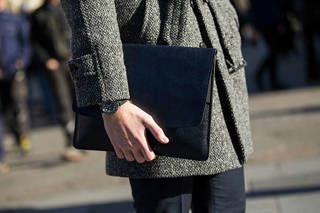
Winter dressing does not have to mean sacrificing style for warmth. With the right combination of clothing, you can create winter layering outfits for women that are comfortable, practical, and fashionable. Layering allows you to adjust your outfit throughout the day while combining different textures, colors, and silhouettes.
From cozy sweaters and tailored coats to thermal basics and stylish scarves, the key to successful winter layering is knowing how each piece works together. Whether you are dressing for work, a casual weekend, travel, or a special occasion, thoughtful layers can transform your cold-weather wardrobe.
What Is Winter Layering?
Winter layering means wearing multiple clothing pieces together to create warmth and flexibility. Instead of relying on one thick garment, you can combine lightweight layers that trap warm air while allowing you to remove or add pieces as temperatures change.
A typical layered outfit may include a base layer, a middle layer, and an outer layer. Accessories such as scarves, hats, gloves, and socks can provide additional warmth.
The best layering outfits balance three things: warmth, comfort, and proportion.
Essential Layers for Women’s Winter Outfits
Building winter outfits becomes much easier when you understand the purpose of each layer.
| Layer | Recommended Pieces | Main Purpose |
|---|---|---|
| Base layer | Thermal top, fitted tee, camisole | Retains warmth and manages moisture |
| Mid layer | Sweater, cardigan, fleece, sweatshirt | Adds insulation |
| Outer layer | Coat, puffer, parka, trench | Protects against cold and weather |
| Bottom layer | Jeans, trousers, leggings, skirts | Provides warmth and structure |
| Accessories | Scarf, gloves, hat | Adds extra protection |
| Footwear | Boots, insulated shoes | Keeps feet warm and dry |
Not every outfit requires every layer. On milder winter days, a lightweight base layer and sweater under a coat may be enough. In extremely cold weather, you can add thermal leggings, thicker knitwear, and weather-resistant outerwear.
Casual Winter Layering Outfits
For everyday winter dressing, comfort should be the priority without making the outfit look bulky.
Try pairing a fitted long-sleeve top with straight-leg jeans, a chunky knit sweater, and a long wool coat. Add ankle or knee-high boots and a scarf for extra warmth.
Another easy combination is a basic T-shirt layered under a cardigan, paired with relaxed trousers and a quilted jacket. This outfit works particularly well for errands, coffee dates, shopping, and casual gatherings.
If you prefer a sporty aesthetic, combine a thermal top with a hoodie, leggings, and a puffer jacket. Complete the look with sneakers or insulated boots.
Winter Layering Outfits for Work
Layering is especially useful for professional wardrobes because indoor offices can be much warmer than outdoor temperatures.
A fitted blouse underneath a lightweight sweater creates a polished base. Add tailored trousers and a structured wool coat for commuting. If your workplace is casual, substitute the blouse with a fine-knit turtleneck.
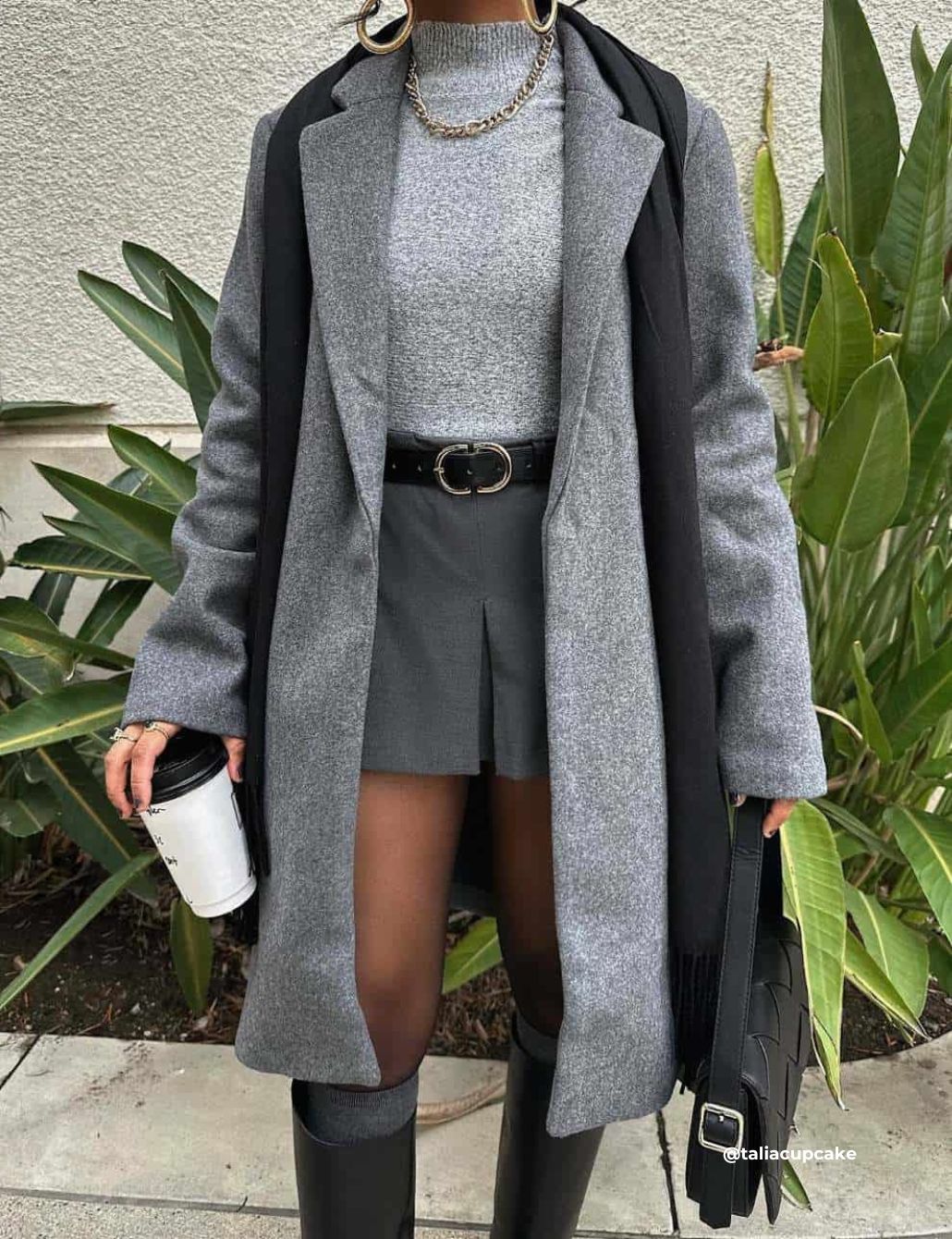
A monochromatic outfit can make layered clothing appear more streamlined. For example, combine black trousers, a charcoal sweater, a black coat, and matching boots. The different textures prevent the outfit from looking flat while maintaining a sophisticated appearance.
Avoid combining too many oversized pieces in professional outfits. If your sweater is loose, consider pairing it with tailored trousers or a structured coat.
Layering Dresses in Winter
You do not have to stop wearing dresses when temperatures fall. Dresses can become excellent winter layering pieces.
Wear a fitted turtleneck underneath a sleeveless dress for a modern layered look. Alternatively, layer a cardigan or cropped sweater over a midi dress.
For additional warmth, wear opaque tights and knee-high boots. A long coat can complete the outfit while creating a continuous silhouette.
Sweater dresses are another winter staple. They can be worn alone with boots or layered over thermal tops and tights when temperatures are particularly low.
Winter Layering With Jeans
Jeans are one of the easiest foundations for winter outfits. Straight-leg, wide-leg, skinny, and bootcut styles can all work with different layers.
For a classic outfit, pair high-rise jeans with a fitted turtleneck, oversized cardigan, and wool coat. Add leather boots and a structured handbag for a polished finish.
Wide-leg jeans can be balanced with a shorter jacket or a partially tucked sweater. If you choose an oversized coat as well, keep the base layer relatively streamlined to maintain visual balance.
Winter Layering With Skirts
Skirts can also work beautifully in cold weather when combined with appropriate layers.
Try a midi skirt with a fitted sweater, long coat, tights, and knee-high boots. For a more casual outfit, pair a denim skirt with a chunky sweater, thick tights, and ankle boots.
When wearing multiple layers with a skirt, consider where each garment ends. Coordinating lengths can help the outfit look intentional rather than cluttered.
Layering for Extremely Cold Weather
When temperatures drop significantly, focus on function before fashion.
Start with a moisture-managing base layer. Add a fleece, wool sweater, or insulated mid-layer. Finish with a warm coat designed for the conditions.
Thermal leggings can be worn beneath jeans or trousers, while wool socks can provide additional insulation. A scarf can protect the neck, and insulated gloves and a warm hat help reduce heat loss from exposed areas.
The important principle is to use several relatively manageable layers rather than one extremely restrictive layer. This gives you greater control over your temperature.
How to Avoid Looking Bulky
One of the biggest challenges with winter layering is excess volume. Wearing several thick garments simultaneously can make movement uncomfortable and obscure your silhouette.
A simple solution is to vary the thickness of your layers.
For example, choose a fitted thermal top as your base, a medium-weight sweater as the middle layer, and a roomy coat as the outer layer. This creates warmth without requiring every garment to be oversized.
You can also use strategic proportions. A cropped jacket can work well over a longer sweater, while a long coat can balance slim trousers or leggings.
Best Winter Colors for Layering
Winter wardrobes often rely on neutral colors because they are easy to combine. Black, gray, cream, camel, navy, brown, and burgundy can create sophisticated combinations.
You can also use one bright color as an accent. A red scarf, emerald sweater, or colorful handbag can add personality to an otherwise neutral outfit.
For an especially polished appearance, choose layers within the same color family but vary their textures. Combining wool, denim, leather, knitwear, and quilted fabrics can create visual interest.
Winter Layering Accessories
Accessories are not just decorative during winter. They can provide meaningful warmth.
A large scarf can protect your neck and add color or texture to an outfit. Beanies and wool hats provide additional coverage, while gloves protect your hands during outdoor activities.
Boots are particularly versatile for winter styling. Knee-high boots can complement dresses and skirts, while ankle boots pair naturally with jeans and trousers.
When choosing accessories, consider the overall proportions of your outfit. A large scarf can complement a simple coat, while a more structured outfit may benefit from streamlined accessories.
Simple Winter Layering Formula
If you are unsure how to start, use this basic formula:
Base layer + comfortable mid-layer + protective outer layer + winter accessories.
For example:
Turtleneck + knit sweater + wool coat + jeans + boots + scarf
This formula can be adapted to different temperatures, personal styles, and occasions.
Final Thoughts
Creating stylish winter layering outfits for women is all about combining practical pieces in a thoughtful way. Start with a comfortable base, add insulation through sweaters or cardigans, and finish with an outer layer suited to the weather.
Pay attention to proportions, fabrics, and colors to avoid unnecessary bulk. Then use scarves, boots, hats, and gloves to add both warmth and personality.
Once you understand the basic layering formula, your winter wardrobe becomes much more versatile. Instead of buying an entirely new collection every season, you can combine existing pieces in different ways to create comfortable and stylish outfits throughout the colder months.