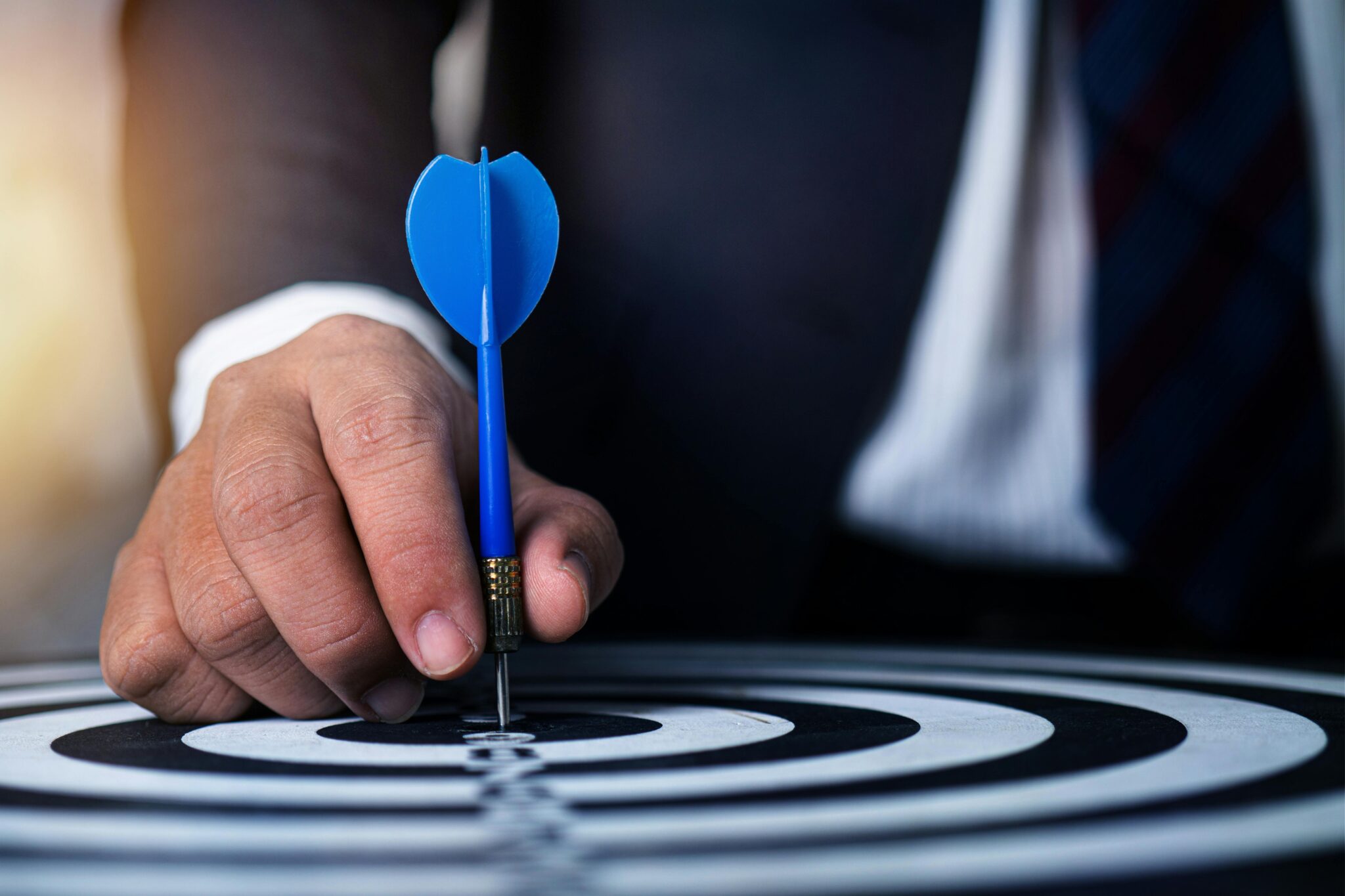
Somewhere between the early workout and the next investor call, a quieter habit has been spreading through executive circles. It is not really about getting fitter. A growing number of founders, partners and senior operators have started picking up sports that ask for something their day rarely demands, which is full and undivided attention. The appeal is mental rather than physical. When you are tracking a fast ball or holding a single breath underwater, there is simply no room left for the inbox.
The skill no calendar makes time for
Most leaders are good at thinking. They are far less practised at the deliberate act of not thinking. Hours spent toggling between half-finished problems leave the mind quick but scattered, and that scatter follows people home. Precision sports work against the grain of it. They reward presence and punish drift, often inside the same second. Miss the timing on a shot and you know at once. After a week of meetings where nobody is ever quite right or quite wrong, there is a strange relief in that kind of honesty.
What actually counts as a precision sport
The label is loose, so it helps to pin down the common thread: small margins and instant feedback. Golf fits the description. So do climbing, fencing and target archery. What links them is that none can be bluffed. Your body either executed the movement or it did not, and the verdict arrives before your ego has time to reframe it. That immediacy is the whole point. For someone whose work feeds back in quarters rather than seconds, a sport that answers you in real time is almost a novelty.
Pickleball and the case for thinking on your feet
Pickleball has been dismissed as a gentle pastime for people who have given up on tennis, which badly misreads it. At any decent level the game is a test of anticipation. You are reading angles, adjusting grip and choosing a shot while the ball is still in the air, and the court is small enough that hesitation costs you the point. That blend of speed and judgement is exactly the muscle a long working day tends to dull.
Plenty of people pick the game up casually and then plateau for years, repeating the same mistakes against friends who make the same ones back. The players who improve quickly tend to bring in professional pickleball coaching early, before sloppy footwork hardens into habit. A coach shortens the loop between a fault and the fix, which is the part most self-taught players never quite manage on their own.
Why any of this shows up at work
Here is the part that interests me most. The carryover is not motivational-poster stuff about discipline. It is more specific. People who train in a sport with brutal feedback get better at absorbing a mistake without spiralling, because they have made hundreds of them in low-stakes settings and recovered by the next point. They also get better at reading a situation before reacting to it. A senior leader who can lose a rally, shrug and reset is often the same one who can take a hard board meeting without letting it leak into the rest of the week.
Water, breath and the discipline of slowing down
Pickleball trains reaction. Swimming trains something close to its opposite, which is composure under physical stress. In the water you cannot rush. Push too hard and your stroke falls apart and your breathing follows it, so the sport forces a slower, more measured kind of effort. Many adults carry a quiet awkwardness about swimming because they learned badly as children or never learned at all, and a crowded public lane is not the place to confront that.
This is where structured private swim programs have found a following among busy professionals. Working one to one, an adult can rebuild technique without an audience and at a pace that respects how their week actually looks. The breath control alone tends to surprise people. Learning to stay calm while your lungs are telling you otherwise is a transferable skill, and it does not stay in the pool.
Fitting it into a life that is already full
None of this requires a sabbatical. The leaders who stick with it treat the sessions like any other recurring commitment and protect them the same way they protect a standing meeting. Two short blocks a week beats one ambitious weekend that never repeats. Starting small also sidesteps the usual trap, which is treating a new sport as another arena to dominate immediately. The mental benefit comes from showing up consistently and paying attention, not from a personal best.
The pattern is worth noticing because it cuts against the productivity advice that usually circulates at the top. The pitch here is not to optimise another hour. It is to spend a few of them somewhere your mind has to be fully present, doing something you are not yet good at. For people who spend their working lives being the expert in the room, that turns out to be the rarest reset of all.