What would happen to your business if one of your vehicles was involved in a serious accident tomorrow? Could your company absorb the repair costs, legal expenses, and lost revenue without disrupting day-to-day operations?
For many businesses, commercial vehicles are among their most valuable assets. They deliver products, transport equipment, visit clients, and keep projects moving. When one vehicle is taken off the road, the effects can quickly ripple through the entire business. That’s why commercial vehicle insurance isn’t simply another operating expense, it’s an important safeguard that helps protect your finances, reputation, and ability to continue serving customers.
Why Commercial Vehicle Insurance Matters
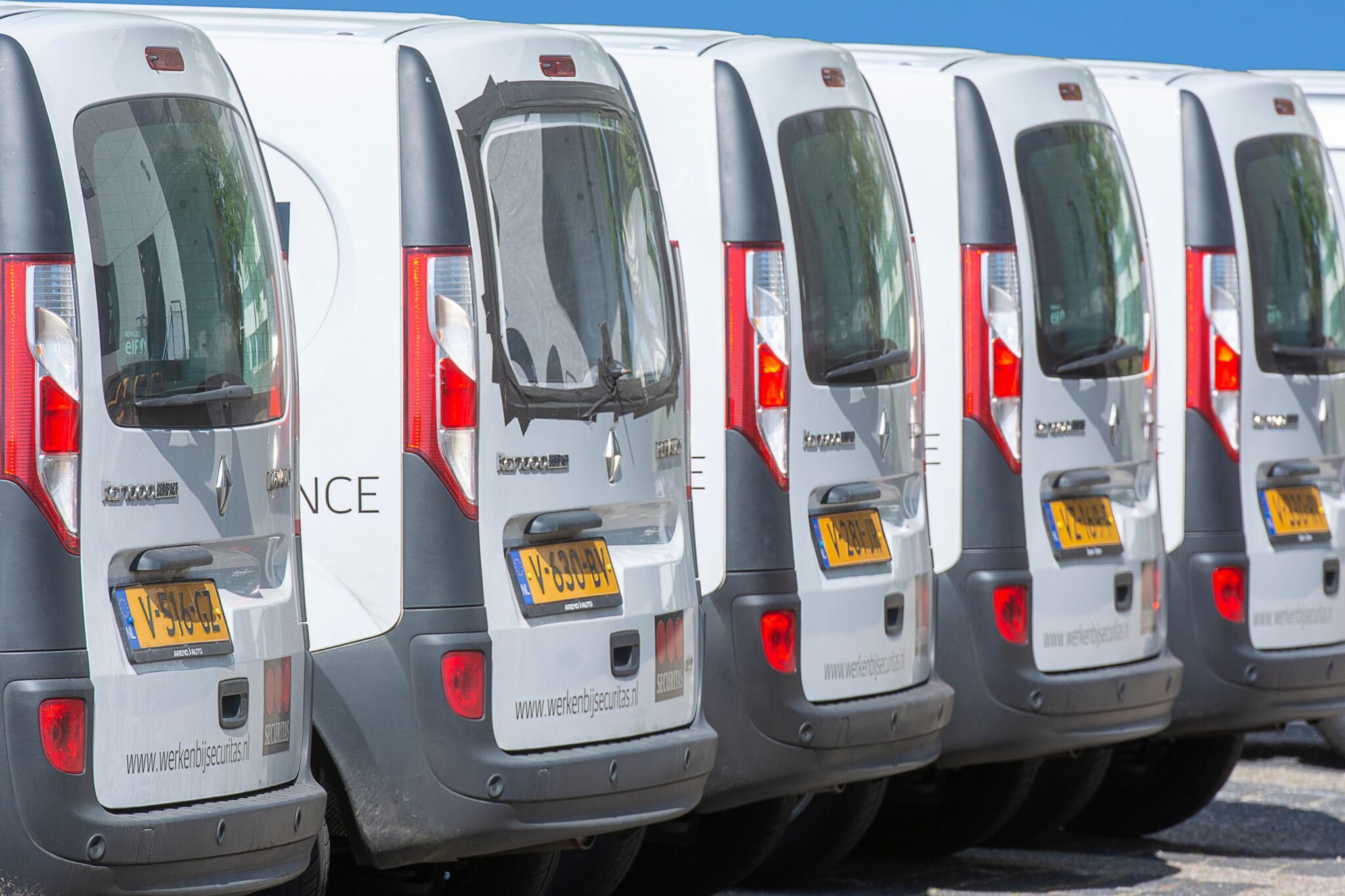
Every business that relies on vehicles faces risks every time those vehicles are on the road. Whether it’s a delivery van, company car, truck, or trade vehicle, accidents, theft, and unexpected damage can result in significant financial losses.
Unlike personal motor insurance, commercial vehicle insurance is designed specifically for business use. It helps businesses manage the financial consequences of accidents while providing protection that reflects how commercial vehicles are actually used. Having the right cover allows businesses to focus on their operations with greater confidence, knowing they are better prepared for unexpected events.
1. Business Vehicles Face Greater Financial Risks
Commercial vehicles typically spend more time on the road than personal vehicles, often travelling longer distances, visiting multiple job sites, or transporting valuable equipment and goods. Increased usage naturally increases exposure to accidents and other incidents.
According to the Bureau of Infrastructure and Transport Research Economics (BITRE), heavy vehicles continue to be involved in a significant number of serious crashes across Australia each year. While not every business operates heavy vehicles, the data highlights the financial risks associated with commercial transport.
An accident doesn’t just affect the driver or the vehicle. It can delay projects, interrupt deliveries, increase operating costs, and create unexpected legal obligations. Commercial vehicle insurance helps businesses manage these risks so that one incident doesn’t create long-term financial hardship.
2. One Accident Can Affect Your Entire Business
The financial impact of an accident extends far beyond repairing a damaged vehicle. Businesses often need to deal with several unexpected costs at the same time, including:
- Vehicle repair or replacement costs.
- Third-party property damage claims.
- Legal expenses and liability claims.
- Lost income caused by interrupted operations.
- Replacement vehicle or transport costs while repairs are completed.
Commercial vehicle insurance helps reduce these financial pressures by covering many of these expenses, allowing businesses to recover more quickly and continue operating with minimal disruption.
3. Every Business Has Different Insurance Needs
No two businesses use their vehicles in exactly the same way. A plumbing contractor transporting specialised equipment faces different risks from a courier company, while a construction business operating multiple trucks has different insurance needs from a professional services firm with company cars.
When reviewing your insurance, it’s important to consider:
- The number and type of vehicles you operate.
- Who drives the vehicles, including employees or contractors.
- The value of equipment, tools, or goods being transported.
- Whether your vehicles travel locally, interstate, or to remote locations.
- Future business growth that may require additional vehicles or expanded cover.
According to the insurance experts at All Trades Cover, businesses should carefully assess their operations to select commercial vehicle insurance that provides the right level of protection. Professional advice helps ensure policies reflect the actual risks a business faces rather than relying on generic cover that may leave important gaps.
4. Downtime Can Cost More Than Repairs
Repairing a vehicle is only one part of the financial impact following an accident. Every day a vehicle is unavailable can affect productivity, customer service, and revenue.
Vehicle downtime may result in:
- Delayed customer deliveries.
- Cancelled appointments or missed jobs.
- Reduced productivity for employees.
- Additional costs for hiring replacement vehicles.
- Lost revenue and damage to customer relationships.
Many commercial vehicle insurance policies include optional benefits such as roadside assistance, replacement vehicles, or business interruption cover. These features help businesses return to normal operations more quickly while reducing the financial impact of unexpected disruptions.
5. Insurance Should Grow With Your Business
Business operations rarely stay the same for long. As companies expand, purchase additional vehicles, hire more staff, or enter new markets, their insurance requirements also change.
Regularly reviewing your commercial vehicle insurance helps ensure your cover continues to match your current operations. It also provides an opportunity to identify potential coverage gaps before they become costly problems during a claim. Keeping your policy up to date is one of the simplest ways to protect your growing business against changing risks while maintaining confidence that your fleet is adequately insured.
Conclusion
Commercial vehicle insurance is about much more than repairing damaged vehicles. It helps businesses manage financial risk, reduce the impact of accidents, protect valuable assets, and keep operations moving when unexpected events occur.
Whether your business operates one commercial vehicle or an entire fleet, having insurance that reflects the way your vehicles are used is essential. Reviewing your cover regularly and seeking professional advice when your business changes can help ensure your fleet remains protected and your business is prepared for whatever the road brings.