Why Your Electricity Bill Can Feel Confusing
Have you ever looked at your electricity bill and thought, “Why is it so high?”
You’re not alone. Many people only look at the total and don’t know what’s behind it.
It can feel confusing when your bill changes from one period to the next without an obvious reason.
Sometimes it goes up, even when your habits haven’t changed much.
Other times it stays high longer than expected.
That’s because your bill isn’t just one simple number, it’s made up of different parts working together.
Once you understand those parts, everything becomes much clearer and easier to manage.
Your Bill Is More Than Just How Much You Use
Most people think their bill is only based on how much electricity they use.
But there’s more to it.
Your bill usually includes:
- Usage charges
- Daily supply charges
- Different rates depending on when you use power
This is why your bill can change, even if your habits stay the same.
For example, using electricity at peak times can cost more than using it at other times.
Even small changes in when you use power can affect your total cost.
It’s not just about how much you use, it’s also about timing and patterns.
Main Parts of Your Electricity Bill
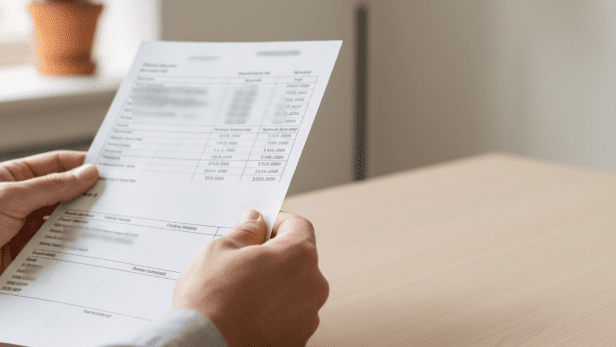
Your electricity bill is made up of a few key charges.
These include:
- Usage charges (based on how much electricity you use)
- Supply charges (a daily fee to stay connected)
- Tariffs (different prices depending on time of use)
Each part plays a role in your total cost.
Together, they determine what you pay at the end of each billing period.
Once you understand these, your bill becomes much easier to read and interpret.
What Are Supply Charges?
Supply charges are a fixed daily fee.
You pay this even if you don’t use much electricity.
This cost helps cover:
- Access to the electricity network
- Maintenance and infrastructure
- Keeping your property connected to the grid
It’s one of the reasons your bill never drops to zero.
Even if you go away or reduce your usage, this charge still applies every day.
Over time, these daily charges add up and form a consistent part of your bill.
How Usage Charges Add Up
Usage charges are based on how much electricity you use.
The more power you use, the higher your bill.
Common things that increase usage include:
- Air conditioning and heating
- Hot water systems
- Kitchen appliances
- Washing machines and dryers
- Devices running throughout the day
Even small daily habits can add up over time.
Leaving appliances on standby, running systems longer than needed, or using multiple devices at once can all increase your usage.
Using heating or cooling just a little longer each day can make a noticeable difference across a full billing period.
Over weeks and months, these habits build up and can significantly impact your total usage.
If you want to better understand your electricity costs, looking at real examples can help you see how usage translates into what you actually pay.
Why Your Bill Might Be Higher Than Expected
Sometimes your bill goes up and it’s not clear why.
A few common reasons include:
- Hot or cold weather increasing usage
- More people at home
- Appliances running longer than usual
- Devices left on standby
- Changes in daily routines
These things can quietly increase your bill.
Often, it’s not one big change, it’s a combination of small things happening over time.
Seasonal changes can have a big impact, especially when heating or cooling is used more often.
Even something as simple as spending more time at home can increase your daily usage without you noticing.
Simple Ways to Keep Your Bill Under Control
You don’t need to make big changes to save money.
Start with a few simple steps:
- Turn appliances off at the wall
- Use energy-efficient appliances
- Be mindful of when you use power
- Adjust heating and cooling slightly
- Keep an eye on your usage over time
- Avoid running multiple high-usage appliances at once
Small changes can make a big difference.
Even simple habits like switching things off properly or reducing usage slightly can help lower your bill.
Over time, these small improvements can add up to real savings.
How to Better Understand Your Total Costs
Instead of just looking at the total, take a closer look at your bill.
Check:
- Your usage over time
- Changes between seasons
- Daily supply charges
- Any differences in rates or tariffs
This gives you a clearer picture of what’s actually driving your costs.
Once you start looking at these details, your bill becomes much easier to understand.
It also helps you spot any unusual changes early, before they become a bigger issue.
A Simple Way to Stay in Control of Your Bill
Once you understand what makes up your bill, it becomes easier to manage.
You can:
- Spot changes early
- Adjust your habits
- Avoid unexpected increases
- Make better decisions about your usage
Over time, this helps you stay in control of your electricity spending.
You don’t need to track everything perfectly or constantly monitor your usage.
Just understanding the basics gives you more confidence and control.
Even small adjustments can help you manage your bill more effectively and avoid unnecessary costs over time.