For fashion lovers, a wardrobe can quickly become crowded with clothing, shoes, bags, accessories, and seasonal pieces. A well-organized wardrobe not only makes a room look cleaner but also makes it easier to find favorite pieces and create outfits.
The goal is not simply to make everything fit. A good organization system should make your clothes visible, accessible, and easy to maintain.
Start With a Wardrobe Declutter
Before organizing anything, take everything out and assess what you actually wear. Separate your clothing into categories such as everyday favorites, occasional wear, seasonal items, and pieces that need repair.
Consider letting go of items that no longer fit, are damaged beyond practical repair, or have not been worn for a long time. Donate, resell, or recycle suitable items instead of allowing them to take up valuable wardrobe space.
Organize Clothes by Category
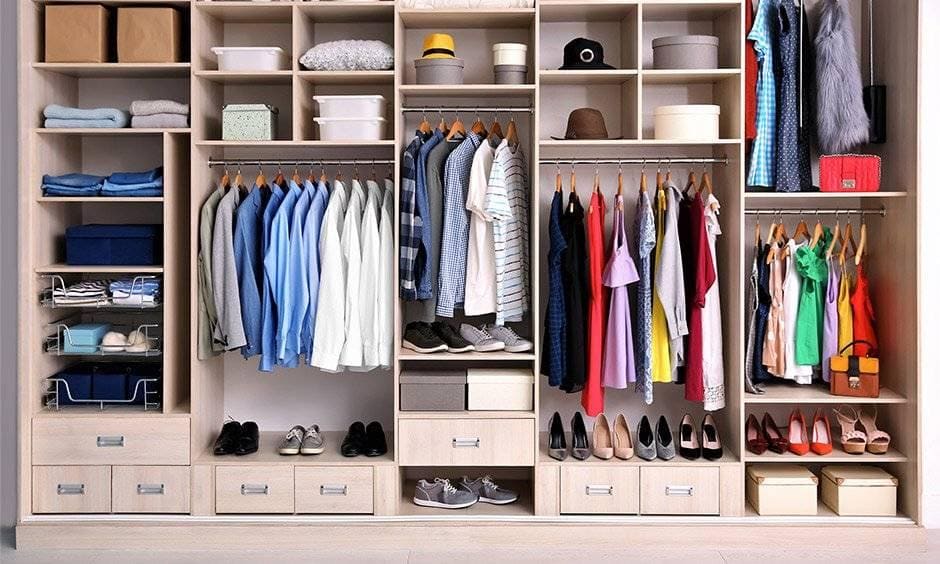
Grouping similar garments together makes finding specific pieces much easier. Keep shirts with shirts, trousers with trousers, dresses with dresses, and jackets with jackets.
Within each category, you can organize items by color or style. This makes the wardrobe visually appealing and helps you quickly identify what you have.
Arrange Clothing by Color
A color-coded wardrobe can make outfit planning surprisingly simple. Arrange garments from light to dark or group them according to color families.
For example, you might place white and cream items together, followed by beige and brown, then blue, green, red, and darker shades.
A consistent color system also makes it easier to notice when you already own several similar items.
Use Matching Hangers
Replacing mismatched hangers with a consistent style can instantly make a wardrobe look more organized. Slim hangers are particularly useful when closet space is limited because they occupy less room.
Use appropriate hangers for different garments. Structured jackets, delicate clothing, trousers, and heavy coats may require different types of support.
Make Use of Vertical Space
Many wardrobes have unused space above shelves or below hanging clothes. Stackable storage boxes, shelf dividers, hanging organizers, and additional rails can help maximize vertical space.
Avoid filling every available area, however. Leaving some room between items makes the wardrobe easier to use and prevents clothing from becoming excessively compressed.
Display Your Favorite Pieces
Fashion lovers often own statement pieces that deserve to be visible. Consider creating a dedicated section for favorite jackets, handbags, shoes, or special accessories.
A stylish display can make the wardrobe feel more like a personal boutique while encouraging you to actually wear the pieces you enjoy.
Organize Shoes Efficiently
Shoes can quickly create clutter. Use shoe racks, clear boxes, shelves, or under-bed storage depending on the available space.
Keep frequently worn shoes easily accessible and store special-occasion footwear separately. Cleaning shoes before storage can also help preserve their condition.
Give Handbags Their Own Space
Handbags should ideally be stored in a way that protects their shape and makes them easy to access. Larger bags can be placed upright on shelves, while smaller bags can be grouped together.
For structured bags, stuffing them lightly with clean tissue or another suitable material can help maintain their shape during storage.
Create an Accessories Station
Small accessories are easy to lose when they are scattered throughout a wardrobe. Use drawer organizers, trays, hooks, or small containers for jewelry, belts, scarves, sunglasses, and other accessories.
Keeping similar items together makes it easier to find the finishing touch for an outfit.
Rotate Seasonal Clothing
Not every item needs to occupy prime wardrobe space throughout the year. Store heavy coats, thick sweaters, and winter accessories during warmer months, then rotate them back when temperatures fall.
Use clean, breathable storage containers where appropriate and make sure garments are completely dry before putting them away for extended periods.
Create an Outfit Planning Area
If you have enough space, dedicate a small section of your wardrobe to outfit planning. You can keep frequently used combinations together or prepare several outfits in advance.
A simple clothing rack or a few extra hooks can be useful for setting aside outfits for work, travel, events, or busy mornings.
Label Storage Containers
Labels can be especially helpful when using boxes or containers for accessories and seasonal clothing. Instead of opening several boxes to find one item, a clear label tells you exactly where everything belongs.
Use categories such as “winter accessories,” “occasion wear,” “summer shoes,” or “handbags” to keep the system straightforward.
Keep a Regular Organization Routine
Even the best wardrobe system will eventually become messy without maintenance. Spend a few minutes each week returning clothing and accessories to their designated places.
At the end of each season, review your wardrobe again. This is a good opportunity to identify pieces you no longer wear and determine whether your storage system needs adjusting.
Final Thoughts
A well-organized wardrobe makes fashion more enjoyable. By decluttering regularly, grouping clothing by category, arranging items by color, using efficient storage, and keeping accessories accessible, fashion lovers can create a wardrobe that feels both practical and inspiring.
The most effective system is one that matches your personal habits. When every item has a clear place, choosing an outfit becomes easier—and your favorite pieces are much less likely to disappear at the back of the closet.