Vintage fashion has a unique appeal because it combines history, personality, and timeless style. Instead of following every current trend, vintage-inspired dressing allows you to experiment with silhouettes, fabrics, colors, and accessories from previous decades. Whether you love the elegance of the 1950s, the relaxed spirit of the 1970s, or the bold attitude of the 1990s, the right styling approach can make vintage clothing feel modern and wearable.
If you want to incorporate older garments into your everyday wardrobe, these vintage fashion styling tips can help you create outfits that look intentional rather than like a costume.
What Is Vintage Fashion?
Vintage fashion generally refers to clothing and accessories from an earlier period, although the exact definition of “vintage” can vary. Many people also use the term for modern clothing that draws inspiration from historical styles.
Vintage fashion can include:
- Dresses from previous decades
- Retro denim
- Vintage leather jackets
- Old-fashioned knitwear
- Classic blouses
- High-waisted trousers
- Pleated skirts
- Vintage coats
- Statement accessories
- Retro footwear
The key to successful vintage styling is not necessarily wearing an entire outfit from one era. Mixing vintage pieces with contemporary clothing can create a more natural and versatile appearance.
Best Vintage Fashion Styling Tips
| Styling Tip | What to Try | Why It Works |
|---|---|---|
| Mix old and new | Vintage jacket with modern jeans | Keeps the outfit contemporary |
| Choose one statement piece | Retro dress or coat | Prevents an overly themed appearance |
| Focus on fit | Tailor vintage garments | Creates a polished silhouette |
| Use accessories | Scarves, belts, bags, jewelry | Adds vintage character |
| Coordinate colors | Earth tones or classic shades | Creates visual harmony |
| Experiment with layering | Shirts, cardigans, jackets | Adds depth and versatility |
| Choose era-inspired footwear | Loafers, boots, Mary Janes | Completes the aesthetic |
| Keep makeup and hair balanced | Subtle retro details | Avoids looking costume-like |
Start With One Vintage Piece
One of the easiest ways to incorporate vintage fashion is to choose a single standout piece.
For example, a vintage leather jacket can be paired with a plain T-shirt, straight-leg jeans, and contemporary sneakers. A retro blouse can be styled with modern trousers, while a vintage skirt can work with a simple fitted top.
This approach allows the vintage item to become the focal point without making the entire outfit look like a historical costume.
As you become more comfortable with vintage styling, you can introduce additional period-inspired pieces.
Mix Vintage With Modern Clothing
Combining different eras is one of the most effective vintage fashion styling techniques.
A 1970s-inspired blouse can look surprisingly contemporary with wide-leg jeans and minimalist shoes. A vintage blazer can work with a modern T-shirt and tailored trousers. A retro dress can be updated with a modern handbag and simple boots.
The contrast between old and new gives the outfit personality while keeping it relevant.
Instead of trying to recreate a particular decade perfectly, think about which elements of that era you enjoy and incorporate them selectively.
Pay Attention to Fit
Vintage garments may have been designed according to different sizing standards than modern clothing. A vintage size label should therefore not automatically determine whether something will fit.
Pay attention to actual measurements, especially when shopping online.
Important measurements include:
- Shoulder width
- Bust or chest
- Waist
- Hip
- Sleeve length
- Garment length
- Inseam
If a vintage garment is almost perfect but slightly loose or long, professional alterations can sometimes make a significant difference. A well-fitted vintage piece will generally look much more polished than one that simply happens to be old.
Choose a Vintage Color Palette
Color can instantly influence the mood of an outfit.
Earthy browns, mustard, olive, rust, cream, burgundy, navy, and muted orange can create a distinctly retro appearance. Pastel shades can work beautifully for softer vintage-inspired outfits, while black, white, and red can create a more dramatic look.
You do not need to restrict yourself to historically accurate color combinations. Instead, use vintage colors as inspiration and adapt them to your existing wardrobe.
A neutral outfit with one vintage-inspired color can be particularly easy to wear.
Vintage Dresses
Vintage dresses are among the most recognizable pieces in retro fashion. Different silhouettes can create different historical influences.
Fit-and-flare dresses can evoke mid-century style, while loose floral dresses may create a 1970s-inspired appearance. Slip dresses can work for 1990s-inspired outfits, particularly when layered with a cardigan, blazer, or simple T-shirt.
When styling a vintage dress, consider modern footwear and accessories to keep the overall look fresh.
For example, a floral vintage dress can be paired with ankle boots and a simple contemporary bag rather than matching every accessory to the same era.
Vintage Denim Styling
Denim is one of the easiest vintage-inspired pieces to incorporate into modern outfits.
High-waisted jeans can create a classic retro silhouette, while relaxed or straight-leg denim can provide a 1990s-inspired appearance.
Try pairing vintage jeans with a tucked-in shirt, fitted knit top, leather jacket, or simple sweatshirt.
Vintage denim often has natural fading and unique wear patterns, which can add character to an otherwise simple outfit.
Vintage Jackets and Coats
Outerwear is another excellent way to introduce vintage style without changing your entire wardrobe.
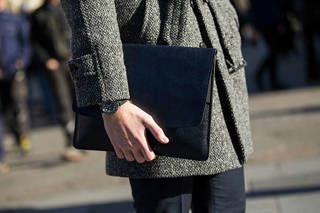
A vintage trench coat can add classic sophistication to jeans and a sweater. A leather jacket can create a rebellious edge, while a wool coat can provide an elegant old-school aesthetic.
Because outerwear is highly visible, a single vintage coat can transform a basic outfit.
Pay particular attention to the shoulders and sleeve length. These details have a major impact on how an older jacket looks when worn today.
Accessorize With Vintage Details
Accessories can transform an ordinary outfit into a vintage-inspired look.
Consider adding:
- Silk or patterned scarves
- Vintage-style sunglasses
- Leather belts
- Structured handbags
- Brooches
- Classic watches
- Statement earrings
- Retro hats
- Vintage-inspired jewelry
You do not need to use several accessories at once. One or two carefully selected pieces can be enough.
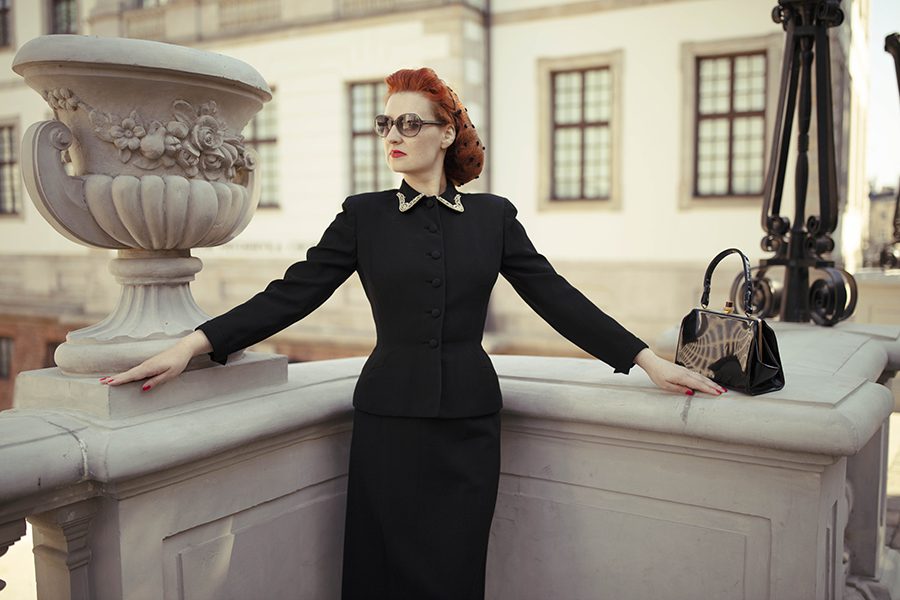
A structured handbag paired with a modern outfit, for example, can provide a subtle vintage influence without overwhelming the look.
Vintage Footwear
Shoes can reinforce the era of an outfit. Loafers, Mary Janes, ankle boots, leather lace-up shoes, ballet flats, and classic sneakers can all work with vintage-inspired clothing.
Choose footwear based on the overall silhouette rather than simply matching the historical period.
A vintage midi skirt can look elegant with loafers, while high-waisted denim can work with ankle boots or classic sneakers.
Comfort should also matter. There is no reason to sacrifice comfort simply to achieve a particular aesthetic.
Avoid Looking Like You’re Wearing a Costume
One of the most important vintage fashion styling tips is to avoid making every part of your outfit come from the same era.
If you wear a highly distinctive vintage dress, consider keeping the shoes, bag, and jewelry relatively simple. If you choose dramatic retro accessories, pair them with contemporary basics.
This creates a balance between vintage inspiration and modern personal style.
The goal is to look like yourself wearing vintage clothing—not like you are dressed for a historical reenactment.
Layering Vintage Clothing
Layering allows you to experiment with vintage pieces while adapting them to different seasons.
Try a vintage shirt underneath a modern blazer or a retro sweater over a simple button-down shirt. A vintage cardigan can be layered over a contemporary dress, while a denim jacket can add a casual finish to a floral skirt.
Layering is also practical because it lets you adjust your outfit as temperatures change.
Vintage Fashion for Different Occasions
Vintage fashion can work for almost any setting when styled appropriately.
For everyday wear, combine vintage denim with simple modern basics. For work, choose a classic blazer, tailored trousers, or understated blouse. For parties, a vintage dress or statement jacket can create a memorable look.
For formal occasions, focus on elegant vintage-inspired silhouettes rather than overly theatrical accessories.
The occasion should determine how much vintage influence you incorporate.
How to Shop for Vintage Clothing
When buying authentic vintage clothing, inspect the garment carefully.
Look for signs of damage, stains, loose seams, missing buttons, fabric thinning, and unusual odors. Ask for measurements and additional photographs when shopping online.
Research the fabric and care requirements as well. Older garments may require gentler cleaning than modern clothing.
If you are new to vintage shopping, start with versatile pieces such as jackets, denim, sweaters, or accessories. These are generally easier to incorporate into an existing wardrobe.
Final Thoughts
The best vintage fashion styling tips focus on balance, fit, and personal expression. You do not need to dress entirely in vintage clothing to create a retro-inspired appearance.
Start with one distinctive piece, combine it with contemporary basics, and use accessories to add subtle historical influences. Pay close attention to proportions and choose colors that work naturally together.
Most importantly, treat vintage fashion as a source of inspiration rather than a strict set of rules. Mixing decades, experimenting with silhouettes, and combining old and new pieces can help you create a wardrobe that feels unique, stylish, and timeless.