Sustainable Fashion Trends 2026 are transforming the fashion industry in the US. More consumers and brands are prioritizing eco-friendly materials, ethical production, and durable, high-quality garments. From circular fashion and upcycled designs to regenerative textiles, the industry is moving toward styles that benefit both people and the planet.
According to Trendlytics, a leading fashion trend forecasting tool, interest in sustainable fashion trends has surged this year. This data-driven trend insight helps brands predict which eco-conscious styles will be in demand, allowing them to create clothing that aligns with consumer preferences while supporting environmental responsibility.
What Is Sustainable Fashion?
Sustainable fashion is a forward-thinking approach to clothing design, production, and consumption that prioritizes environmental, social, and economic responsibility. It involves using eco-friendly materials, ethical sourcing, circular design principles, and long-lasting garments. Unlike traditional fast fashion, which focuses on mass production and rapid turnover, sustainable fashion considers the entire lifecycle of a garment, from raw material to disposal.
In the US, sustainable fashion has evolved into a mainstream movement. Consumers are no longer just looking for style; they want transparency, accountability, and products that positively impact the planet. This shift is driving brands to adopt innovative approaches, from circular economy strategies to regenerative textiles, shaping the future of fashion.
Benefits of Sustainable Fashion
Embracing sustainable fashion offers tangible benefits for both consumers and brands:
- Environmental Protection: Reduces waste, lowers carbon emissions, and minimizes water pollution.
- Economic Advantage: Durable, high-quality garments lead to fewer purchases and long-term savings.
- Social Responsibility: Supports fair labor practices and local artisans.
- Consumer Engagement: Builds trust and brand loyalty through transparency.
For US brands, sustainable fashion isn’t just ethical, it’s strategically smart, meeting growing consumer demand for eco-conscious, stylish options while supporting long-term profitability.
Why 2026 is a Breakthrough Year for Sustainable Fashion in the US?
In 2026, sustainable fashion is experiencing a major evolution. The industry is moving beyond minimizing harm to actively repairing environmental and social impacts. This includes using regenerative textiles, adopting circular design practices, and prioritizing high-quality garments that last longer.
Trendalytics data shows that US consumers are embracing second-hand clothing, upcycled fashion, and locally produced pieces, creating new opportunities for brands. By leveraging data-driven fashion trend forecasting, companies can anticipate consumer preferences, reduce waste, and align their collections with emerging sustainable trends.
How Trendalytics Tracks the Future of Fashion?
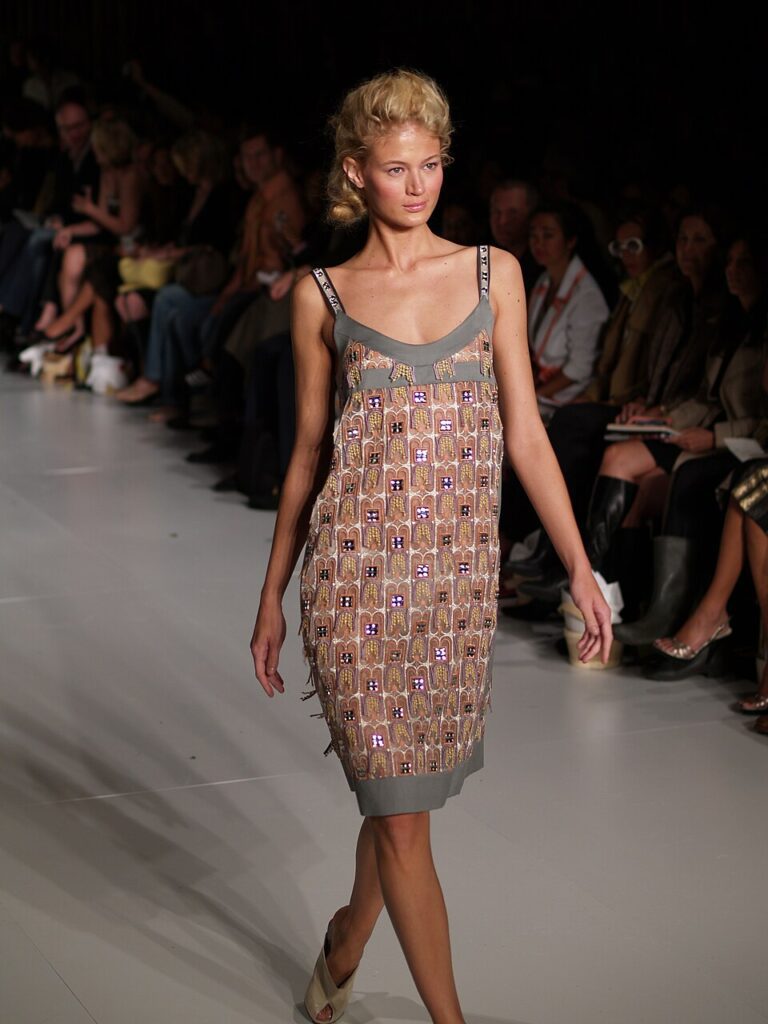
Trendalytics, a fashion trend forecasting tool, helps brands stay ahead by analyzing patterns from runway shows, retail, social media, and consumer behavior. Their predictive analytics tools identify which sustainable fashion trends are gaining traction, enabling brands to:
- Plan inventory more efficiently
- Reduce waste and overproduction
- Innovate with materials and designs that resonate with eco-conscious consumers
With these insights, US brands can implement sustainable practices strategically, increasing both profitability and consumer satisfaction.
Top 10 Sustainable Fashion Trends of 2026
Now, the section naturally flows into your trends list, making it clear that these 10 key sustainable fashion trends are backed by trend-forecasting insights.
1. Circular Fashion & Designing for Longevity
Circular fashion emphasizes creating garments that can be reused, repaired, or recycled rather than discarded. Brands are designing pieces for easy disassembly and modular upgrades, which helps reduce landfill waste. This trend also engages consumers in sustainability, encouraging them to participate in take-back programs or clothing swaps.
2. Regenerative Textiles
Regenerative textiles actively restore ecosystems, going beyond “less harm.” Materials like regenerative cotton and hemp improve soil health, promote biodiversity, and sequester carbon, making fashion a positive force for the planet. Consumers increasingly seek brands that adopt these materials, making it a key data-driven trend in 2026.
- The Second-Hand / Resale Boom
The resale market is booming in the US, with second-hand clothing becoming mainstream. Brands are launching take-back programs and online resale platforms, allowing garments to have multiple lifecycles. This trend reduces waste while appealing to consumers who value style, affordability, and sustainability.
4. Upcycled & Patchwork Fashion
Designers are reimagining old clothing into new, unique pieces. The concept of “reuse, recycle, reimagine” is central here. Patchwork garments and upcycled accessories give fabrics a second life, reducing textile waste while delivering creative and sustainable fashion options.
5. Locally Produced & Artisan-Crafted
Local production reduces transportation emissions and supports ethical craftsmanship. Consumers are increasingly interested in artisan-made, regionally crafted garments that are eco-conscious and culturally meaningful. This trend also strengthens local economies while reducing the carbon footprint of fashion.
6. Digital & Virtual Fashion
AI and 3D prototyping, such as CLO3D, allow brands to design garments virtually, minimizing the need for physical samples. Digital fashion reduces waste, speeds up production, and enables brands to experiment creatively without environmental cost.
7. Bio-Based Materials
Bio-based fabrics, including mushroom leather, algae, and seaweed textiles, are biodegradable alternatives to synthetic materials. These materials are durable, innovative, and environmentally responsible, making them a standout trend for eco-conscious consumers in 2026.
8. Slow Fashion & High-Quality Basics
Slow fashion emphasizes durability, versatility, and long-lasting design. High-quality basics reduce overconsumption while providing consumers with essential wardrobe staples that align with sustainable values. This trend encourages mindful purchases over fast, disposable fashion.
9. Transparency & Digital Product Passports
Digital tools track the origin, production, and materials of garments, offering consumers full transparency. This not only builds trust but also supports data-driven trend adoption, allowing brands to showcase their sustainability credentials authentically.
10. Natural & Plant-Based Dyes
Brands are shifting from toxic synthetic dyes to natural plant-based alternatives, such as indigo, turmeric, and beetroot. These dyes reduce water pollution and chemical usage, aligning with eco-conscious production while adding unique color profiles to garments.
Why Sustainable Fashion is so Complex?
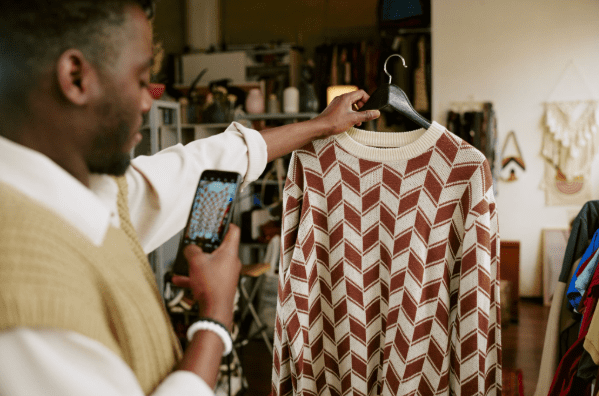
Sustainable fashion remains complex because it requires more than swapping materials, it demands a fundamental overhaul of the industry. While brands are adopting regenerative textiles, circular design, and ethical sourcing, challenges like high production costs, supply chain transparency, and inconsistent standards make scaling difficult. At the same time, many consumers still prioritize fast fashion for convenience and affordability, creating a tension between trend-driven demand and environmental responsibility. This is where data-driven trend forecasting tools help brands identify which sustainable fashion trends to focus on and implement effectively.
Conclusion
2026 represents a pivotal year for sustainable fashion in the US. From circular fashion and regenerative textiles to bio-based materials and digital innovation, these 10 trends demonstrate the fusion of style, ethics, and data-driven strategy. Brands and consumers who embrace these sustainable fashion trends will participate in a more responsible, profitable, and future-ready fashion industry.
FAQs
1. What are sustainable fashion trends?
Sustainable fashion trends are styles and industry practices that prioritize environmental responsibility, ethical production, and long-lasting clothing. These trends include circular fashion, regenerative textiles, upcycling, slow fashion, and the use of eco-friendly materials.
2. Why is sustainable fashion important in 2026?
Sustainable fashion in 2026 is crucial because the industry is one of the largest contributors to pollution and waste globally. By adopting eco-conscious practices, brands can reduce environmental impact, support ethical labor, and meet growing consumer demand for responsible fashion.
3. How can I identify eco-friendly clothing brands?
Look for brands that offer transparent supply chains, certified sustainable materials, take-back programs, and ethical labor practices. Tools like Trendalytics can also help identify brands and products aligning with the latest sustainable fashion trends.
4. What is the difference between slow fashion and fast fashion?
Slow fashion focuses on durable, high-quality, and timeless pieces, reducing overconsumption and waste. Fast fashion prioritizes rapid production, low cost, and trend-driven designs, often contributing to environmental and ethical issues.
5. How are data-driven tools shaping sustainable fashion?
Data-driven tools, like Trendalytics, help brands analyze consumer behavior, forecast upcoming trends, and optimize production. This ensures that sustainable collections meet demand while minimizing waste and environmental impact.