Updated posts August 2026
The Karakoram Highway: A Journey Through Hunza Valley’s Living Heritage
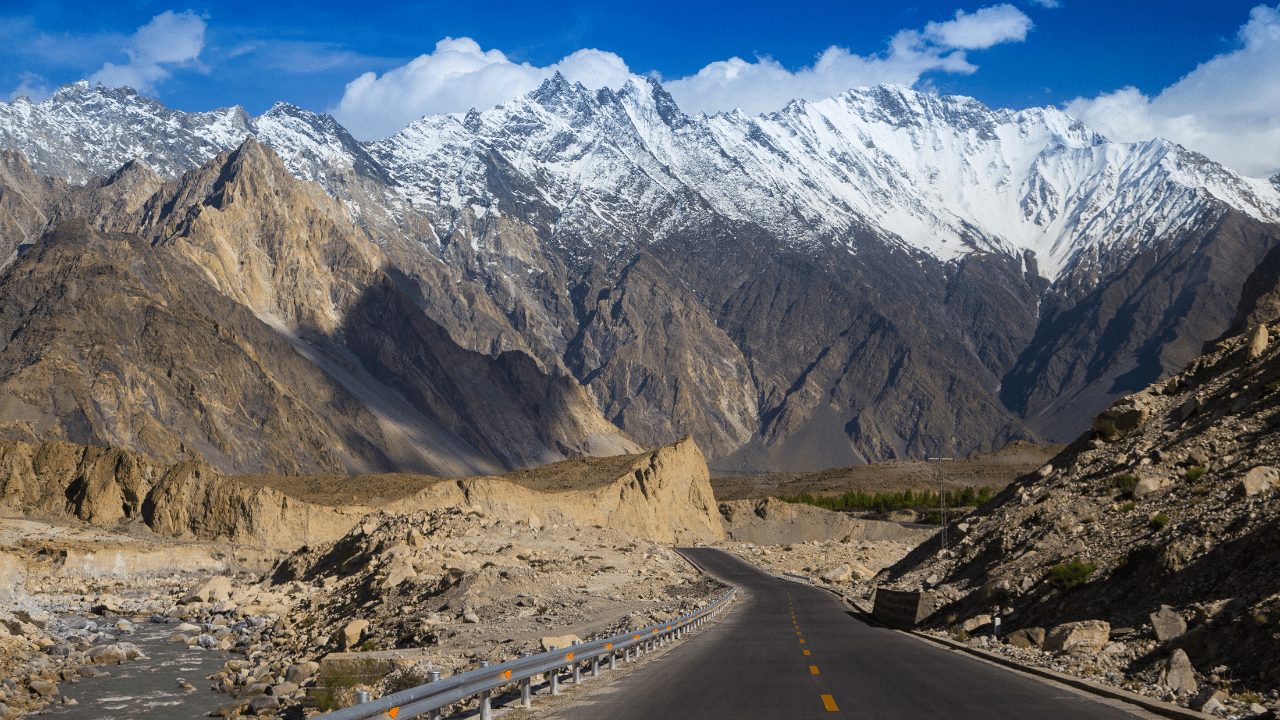
The Karakoram Highway, often referred to as the Eighth Wonder of the World, is a 1,300 kilometer marvel that traverses breathtaking landscapes and links Pakistan to China. This highway, known for its astounding rock faces and natural beauty, carries a rich history that few travelers are aware of.
Originally part of the ancient Silk Road, the KKH was constructed over two decades by more than 24,000 Pakistani and Chinese laborers. In 1978, it was officially opened for vehicles, transforming this remote region by enabling trade, tourism, and travel that had previously been nearly impossible.
The Heart of the Journey: Hunza Valley
The 194 kilometer stretch of the KKH winding through the Hunza Valley is especially captivating. Surrounded by the Karakoram Mountains, this region offers pristine glaciers, alpine lakes, and snow capped peaks, all visible from the comfort of a vehicle. But what truly makes this part of the highway unique is the people and their rich traditions.
Hunza Valley, nestled in the Gilgit Baltistan territory between Xinjiang and Afghanistan’s Wakhan Corridor, was historically isolated due to its challenging geography. The valley is primarily home to the Burusho and Wakhi people, who maintain their own languages, music, and culture, distinct from the rest of Pakistan.
Progress and Its Cost
While the KKH has opened Hunza Valley to the wider world, it has also brought real challenges. The fragile local environment has suffered, and many residents have gradually moved away from their traditional ways of life. Preserving local festivals and traditional clothing has become an ongoing struggle for the community.
Despite these challenges, some locals remain deeply dedicated to safeguarding Hunza Valley’s unique traditions. In Altit, a village famous for its 1,100 year old fort, the Leif Larsen Music Center is teaching the next generation traditional music, an initiative aimed at keeping the region’s cultural essence alive for future generations.
Modernization Reaches Gojal
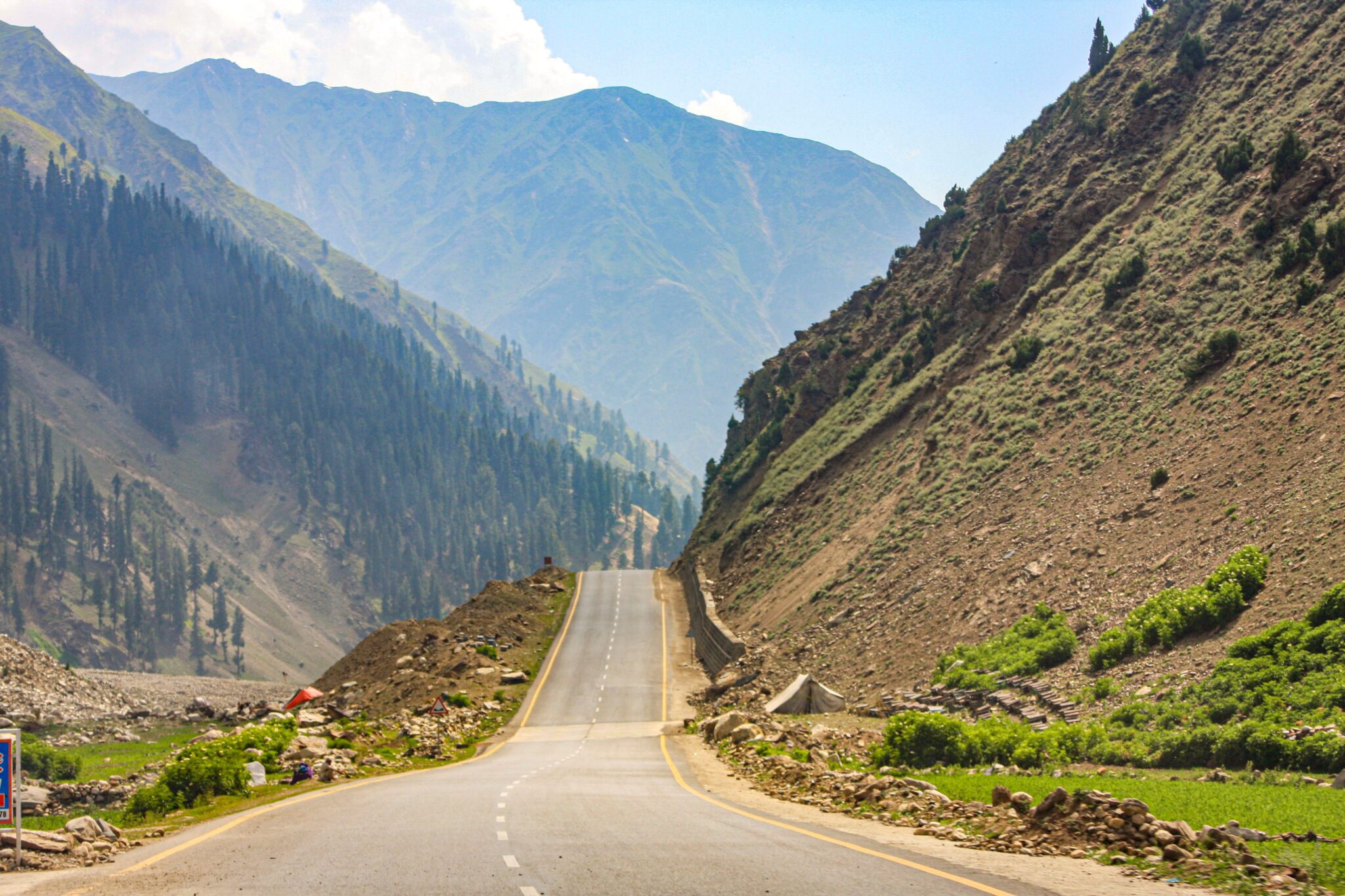
Further down the KKH in Gojal, the striking Attabad Lake, formed by a massive landslide in 2010, now serves as a striking symbol of modernization. The region also boasts the China-Pakistan Friendship Tunnels, showcasing significant infrastructure development in what remains a remarkably remote area.
Where Tradition Meets Entrepreneurship
Amid these sweeping changes, local entrepreneurs, particularly women, are making a genuine mark on the region. Female owned restaurants, shops, and even carpentry businesses are thriving throughout Gojal, including in the town of Gulmit, which has become something of a hub for female entrepreneurship.
The Bozlanj Cafe, run by Malika Sultana and Rashida Begum, serves traditional Hunza cuisine while actively preserving local dishes that might otherwise be lost. Gojal is also home to the Korgah carpet factory, a female run enterprise dedicated to preserving the traditional art of carpet weaving.
Why This Model of Preservation Matters
What makes Hunza Valley’s approach to cultural preservation particularly compelling is how it avoids treating tradition and progress as opposing forces. Rather than resisting tourism and infrastructure development outright, women like Sultana and Begum are using new economic opportunity as the very vehicle for keeping cultural practices alive, embedding traditional cuisine and craft directly into businesses that serve the modernization already reshaping the region.
The hope is that these cultural custodians will continue preserving the unique traditions of Hunza Valley for generations to come. As travelers journey through this region along the Karakoram Highway, they have a genuine opportunity to meet these dedicated individuals and experience firsthand what makes this highway, and the Hunza Valley itself, so special.
The Karakoram Highway is not just an architectural marvel, it stands as a testament to the resilience of the people and culture of Hunza Valley.
Also read:
A Luxury Hotel Opening Near Singapore Accessible Only by Boat