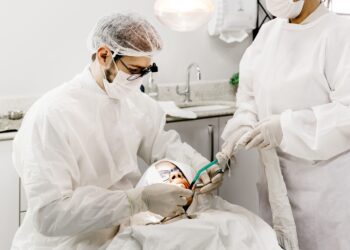
Photo by Lina Trochez on Unsplash
The wellness economy hit $6.8 trillion in 2024, so yes, “self-care” has officially left the candle aisle and entered the boardroom. Beauty, wellness, skin health, and aesthetic services now compete on trust, results, and expertise, not just pretty treatment rooms and cucumber water.
Why Upskilling Now Makes Business Sense
Client expectations have grown up fast. People research ingredients, compare treatments, ask sharp questions, and expect clear answers. That shift creates a simple business case: better-trained teams earn more trust.
A spa, clinic, or solo esthetician can use skincare webinars for estheticians to sharpen product knowledge, treatment confidence, and client education. That matters because modern clients do not just buy a facial. They buy confidence, safety, and the hope that their skin will stop acting like a moody teenager.
The Market Has More Room To Run
The wellness economy no longer feels niche. It includes personal care, beauty, healthy lifestyles, spas, wellness tourism, and related services. Data shows the sector has reached record size, with strong post-pandemic recovery.
The global medical spa market is estimated at $21.21 billion in 2024, with projected growth to $78.23 billion by 2033.
That growth sounds lovely. It also means more competition with nicer chairs.
Skill Gaps Cost Real Money
A weak consultation can lose a client before the treatment starts. Vague aftercare advice can cause confusion. Poor product knowledge can turn retail shelves into expensive decoration.
Upskilling helps close those gaps. Staff can explain why one treatment fits a client and why another should wait. They can spot red flags, set realistic expectations, and avoid the classic “sure, this will fix everything by Friday” mistake.
That level of professionalism protects revenue, reputation, and repeat bookings.
Better Education Improves Client Retention
A client returns when they trust the provider. Skill helps build that trust one conversation at a time.
A trained esthetician can explain treatment plans in plain English. They can recommend home care without that awkward “please buy this or my manager will stare at me” vibe. They can also track progress and adjust plans when skin behaves like it has its own calendar.
Retention matters because loyal clients cost less to serve than brand-new ones. Plus, they bring friends. Friends bring more friends. Suddenly, Tuesday looks profitable.
Upskilling Supports Premium Pricing
Premium pricing needs more than marble counters and soft lighting. Clients pay more when they feel the provider brings expert value.
Advanced education helps teams explain ingredients, protocols, treatment timing, and realistic outcomes. That knowledge gives clients a reason to choose quality over the cheapest deal in town.
The business math stays simple. A team with stronger skills can deliver better consultations, smarter service packages, and higher-value plans. No need for circus tricks. Just competence, clarity, and fewer “uhhh, let me check” moments.
Retail Sales Need Knowledge, Not Pressure
Wellness and aesthetic businesses often rely on retail products to boost margins. Yet clients can tell when a recommendation sounds random.
Upskilling turns retail from a sales pitch into part of the treatment plan. Staff can explain how a serum supports a peel series, why sunscreen matters after resurfacing, or why a client should not combine every active ingredient like a skincare DJ.
Product knowledge helps clients see value. It also reduces returns, misuse, and bathroom-cabinet guilt.
Training Helps Reduce Risk
Aesthetic and wellness services involve skin, devices, ingredients, contraindications, and client health histories. That means education has a risk-control role, too.
Well-trained teams ask better questions. They document concerns more clearly. They know when to refer a client to a medical professional. They also understand that “I saw it on TikTok” does not count as a protocol.
This protects clients first. It also protects the business from preventable complaints, poor outcomes, and reputation damage.
Upskilling Makes Teams More Confident
Confidence changes the whole client experience. A confident provider explains options clearly, stays calm during questions, and avoids robotic script energy.
Training also helps staff feel valued. When a business invests in education, employees see a future there. That can support morale and reduce turnover, especially in a service industry where burnout can sneak in while wearing cute shoes.
Digital Education Fits Busy Schedules
Wellness and aesthetic professionals rarely have huge blocks of free time. Between appointments, laundry, inventory, and that one client who arrives 17 minutes late with a latte, schedules get messy.
Online education solves part of that problem. Webinars, virtual product sessions, and structured digital training can fit between client days. Teams can learn without travel costs, missed appointments, or full-day closures.
The Best Upskilling Plan Starts Small
A business does not need a 400-page training binder named “Operation Glow Empire.” Start with practical gaps.
Review common client questions. Check which treatments staff explain with confidence. Look at product lines that underperform. Track service categories with low rebooking rates. Those clues show where education can create the fastest return.
Then choose training that supports real services, real clients, and real revenue goals. Fancy certificates look nice. Useful skills pay bills.
Conclusion
The wellness and aesthetic economy has momentum, but growth alone does not guarantee success. Clients have more choices, more information, and higher expectations.
Upskilling helps businesses stand out for the right reasons: trust, safety, better advice, and stronger results. It supports premium pricing, retention, retail sales, team confidence, and the future wellbeing infrastructure every serious brand will need.