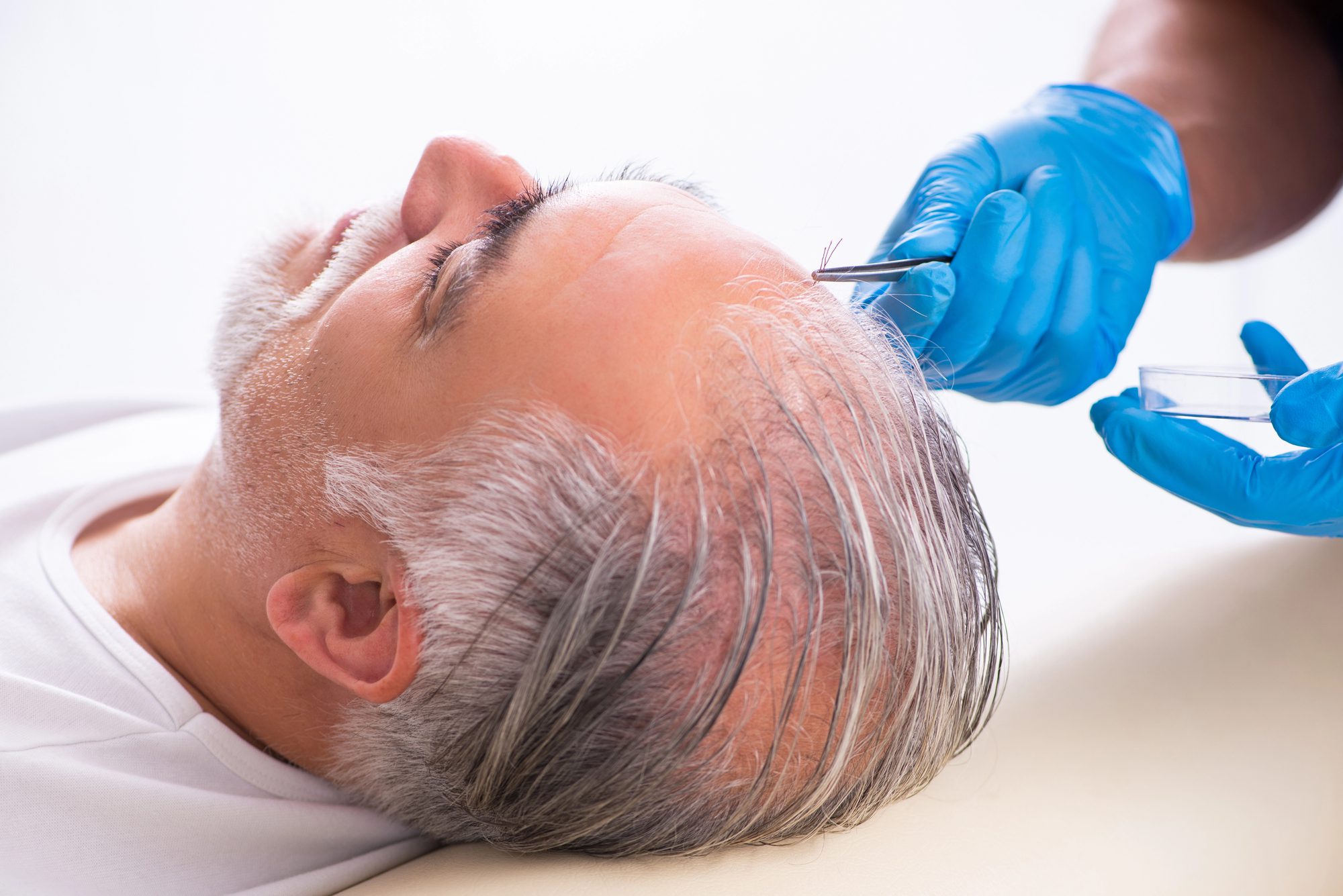
Hair loss often brings more than aesthetic concerns—it can undermine confidence and self-image in both personal and professional contexts. Thanks to recent breakthroughs, regenerative hair restoration now offers a future-focused alternative for those seeking advanced hair restoration in Bologna, Italy. Scientific exploration into innovative hair transplant techniques is opening new possibilities for individuals looking beyond traditional methods.
This article delves into what makes regenerative hair restoration distinct, with special focus on Hair Stem Cell Transplantation (HST). The discussion covers how HST’s partial follicular extraction and proposed stem cell mechanism differ from FUE and FUT, while also exploring donor area preservation, natural-looking results, minimally invasive options, and repair of past transplants. Evidence, limitations, and frequently asked questions are included for anyone considering an innovative hair transplant or hair transplant without shaving in Bologna’s dynamic medical landscape.
The fundamentals of regenerative hair restoration
Regenerative hair restoration is defined by its ambition to do more than simply relocate hair follicles. This method leverages the body’s own healing potential for improved density and recovery, going well beyond the logic of basic transplantation. Today’s advanced hair restoration techniques such as HST prioritize donor area preservation and even attempt donor area regeneration, aiming for more sustainable outcomes. Recent years have shifted the field away from outdated “plug” techniques toward solutions rooted in stem cell therapy. These innovations help achieve natural-looking hair transplant results, minimize visible scarring, and may even restore hair in areas previously considered difficult to treat.How does HST differ from traditional hair transplant methods?
The Hair Stem Cell Transplantation (HST) technique represents a leap forward compared to established practices like Follicular Unit Extraction (FUE) and Follicular Unit Transplantation (FUT). With its reliance on partial follicular extraction and stem cell-rich tissue, HST aims not only for successful recipient growth but also for donor area preservation. This combination sets it apart among innovative hair transplant approaches. While all these procedures target hair thinning and baldness, their core differences lie in precision, invasiveness, and potential for supporting natural regrowth.Principles of partial follicular extraction
At the heart of HST is partial follicular extraction: only part of each healthy follicle is removed, ensuring that vital stem cells remain within the donor area. These targeted grafts are then transplanted to thinning regions. In contrast, FUE removes entire follicular units individually, while FUT involves excising a strip of scalp containing several follicles at once. This approach makes it possible to offer a hair transplant without shaving, which appeals to those who value discretion. As a minimally invasive hair transplant method, HST typically causes less scarring and allows for faster recovery compared to older techniques.Understanding the proposed stem cell mechanism
The effectiveness of HST is linked to the presence of multipotent stem cells in each follicle. By leaving some stem cell-rich tissue in the donor area, there is an opportunity—though not a guarantee—for donor area regeneration. Peer-reviewed research confirms that human follicles harbor such cells and may resume growth cycles after trauma or transplantation. However, no current clinical method matches laboratory cloning, nor can it promise total regeneration. Instead, incremental improvement is the realistic goal. This advanced hair restoration protocol gives hope for greater density and improved repair, but ongoing research continues to refine long-term outcomes and eligibility criteria.Comparing regenerative and traditional hair transplant methods
A closer look at HST alongside standard options provides clarity for individuals evaluating treatment choices. Whereas FUE and FUT have benefited millions, their ability to preserve the donor area is limited. Regenerative hair restoration introduces new opportunities for hair transplant repair, enhanced healing, and a more natural appearance. A thoughtful comparison reveals both strengths and practical constraints for each method.Key features of FUE and FUT
Follicular Unit Extraction (FUE) remains a global favorite due to its precision: grafts are harvested individually using microscopic punches, resulting in scattered, less-noticeable wounds and relatively fast recovery. However, FUE does not support meaningful donor area regeneration. FUT, on the other hand, extracts a narrow band of scalp, yielding many follicles but requiring longer healing and sometimes leaving linear scars. Neither FUE nor FUT fully guards against progressive depletion of the donor region after multiple surgeries. While they provide reliable results for many, complex hair transplant repair and maximum density efforts may challenge their capabilities.Advantages and challenges of regenerative approaches
Regenerative hair restoration delivers notable benefits:- Natural-looking hair transplant effects due to retained follicle structure
- Opportunities for hair transplant repair after earlier procedures
- Focus on donor area preservation and attempted regeneration
- Minimally invasive hair transplant reduces downtime and scarring
- Possibility of hair transplant without shaving for privacy and comfort
The role of scientific evidence and continuous innovation
Peer-reviewed articles continue to validate regenerative hair restoration while highlighting necessary caution. Research demonstrates that adult human follicles contain stem cell reserves capable of reactivating growth after trauma. Limited donor area regeneration has been observed following partial grafting, with robust yields reported in properly selected recipients. Nevertheless, these achievements should be interpreted carefully. Laboratory conditions rarely match patient realities, and much relies on technique and candidate selection. No published study equates HST with true laboratory cloning. Instead, HST exemplifies advanced hair restoration that utilizes inherent biological resources—a genuine advance, albeit not a universal solution for every case of hair loss.Consultation for personalized regenerative hair restoration in Bologna
Individuals in Bologna and across Italy can access top-tier expertise in regenerative hair restoration. Engaging with experienced physicians skilled in HST, FUE, and other innovative hair transplant protocols ensures careful evaluation of unique needs. Each journey begins with a customized diagnosis, as science-driven medicine enhances outcomes year after year. A thorough consultation helps address concerns about donor area depletion, unnatural results, prior surgical scars, or worries about shaving for surgery. It provides a platform to ask detailed questions, directly compare techniques, review real photographic evidence, and align goals with the latest advances in minimally invasive hair transplant care.Questions about regenerative hair restoration answered
What distinguishes regenerative hair restoration from traditional transplants?
Regenerative hair restoration emphasizes harnessing stem cell mechanisms to encourage fresh hair growth—not just relocating follicles. By employing partial follicular extraction, this technique seeks donor area regeneration and often produces more natural-looking hair transplant outcomes, combined with reduced scarring and faster recovery when compared to FUE or FUT.
- Preserves precious donor resources
- Pursues organic regrowth via residual stem cells
- Adaptable to various forms of hair loss and repair cases
Does HST guarantee full donor area regeneration?
No current clinical technique, including HST, guarantees complete donor area regeneration. Partial regrowth is achievable in some cases thanks to retained stem cells, but outcomes depend on genetics and individual biology. HST offers meaningful improvement for advanced hair restoration, yet cannot match laboratory-level cloning or deliver certainty for every patient.
- Results hinge on personal factors
- Improvement, not perfection, is the expectation
- Ethical practitioners set clear, realistic goals
Can a person undergo a natural-looking hair transplant without shaving?
Certain innovative hair transplant methods, including HST, allow for hair transplant without shaving. This option is ideal for professionals seeking discretion and rapid return to social life. Suitability depends on hair type, area involved, and physician judgement, so a personalized assessment is recommended.
- Partial- or no-shave protocols available with HST
- Swift resumption of daily routines
- Eligibility assessed during expert consultation
What makes regenerative hair restoration a good option for hair transplant repair?
Regenerative hair restoration excels at repairing areas affected by prior failed or scarring surgeries. Its minimally invasive nature, use of partial follicular extraction, and stimulation of the body’s healing mechanisms lead to better texture and density even where traditional approaches fell short. Tailored strategy ensures optimal integration with different hair types and conditions.
- Targets damaged, depleted, or scarred zones
- Reduces further trauma to the scalp
- Customizable to individual requirements