Creating a professional wardrobe does not mean sacrificing personal style. Modern workplaces offer women more flexibility than ever to combine comfort, confidence, and fashion while maintaining a polished appearance. The right office wear fashion for women professionals can help you feel prepared for meetings, presentations, business events, and everyday work.
A successful office wardrobe is built around versatile pieces that can be mixed and matched. Tailored trousers, blazers, blouses, dresses, skirts, knitwear, and professional footwear can form the foundation of countless work outfits.
Whether your workplace has a formal dress code or a more relaxed business-casual environment, understanding how to build and style office clothing can make getting dressed for work much easier.
What Is Professional Office Wear?
Professional office wear generally refers to clothing that is polished, appropriate for the workplace, and suitable for your specific professional environment.
The definition can vary significantly between industries. A corporate office may require formal suits and tailored clothing, while a creative workplace may allow more relaxed silhouettes and expressive colors.
Common professional wardrobe essentials include:
- Tailored trousers
- Blazers
- Button-down shirts
- Blouses
- Midi dresses
- Pencil or A-line skirts
- Knit sweaters
- Cardigans
- Tailored coats
- Loafers
- Ballet flats
- Low or mid-height heels
The best office wardrobe combines professional staples with pieces that reflect your personality.
Best Office Wear Fashion for Women Professionals
A versatile professional wardrobe should offer multiple outfit combinations without requiring an excessive number of garments.
| Clothing Piece | Best For | Styling Idea |
|---|---|---|
| Tailored blazer | Meetings and presentations | Wear with trousers or a dress |
| Wide-leg trousers | Modern office looks | Pair with a tucked blouse |
| Straight-leg trousers | Everyday workwear | Combine with a knit top |
| Midi dress | Professional simplicity | Add a blazer and flats |
| Button-down shirt | Formal and casual offices | Pair with trousers or a skirt |
| Pencil skirt | Traditional office style | Wear with a blouse |
| Cardigan | Business-casual settings | Layer over a dress or shirt |
| Tailored coat | Commuting and winter | Wear over any office outfit |
| Loafers | Everyday professional wear | Style with trousers or skirts |
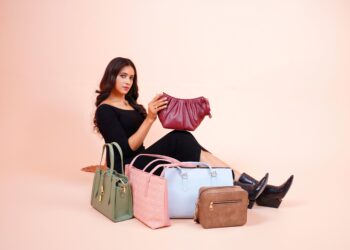
| Structured handbag | Work essentials | Choose a practical neutral shade |
Tailored Trousers
Tailored trousers are one of the most useful pieces in a professional wardrobe. They can create a polished appearance while offering more comfort and movement than some traditional skirt-based outfits.
Black, navy, gray, beige, and brown trousers are particularly versatile. Wide-leg, straight-leg, and tapered silhouettes can all work well depending on your personal preference and workplace dress code.
For a classic outfit, combine tailored trousers with a button-down shirt and blazer. For a more contemporary look, try wide-leg trousers with a fitted knit top and loafers.
The fit should allow comfortable movement without excessive pulling or bunching.
Blazers for Women Professionals
A well-fitting blazer can instantly make an outfit appear more polished. It can be worn with trousers, skirts, dresses, jeans in business-casual environments, or matching suit pants.
Neutral blazers are excellent wardrobe investments because they work with numerous colors and patterns.
For a traditional corporate appearance, choose a structured blazer with clean lines. For a modern office, a relaxed or slightly oversized blazer can create a contemporary silhouette.
Pay attention to shoulder fit and sleeve length. These details have a major impact on how professional a blazer looks.
Professional Dresses
Dresses provide an easy one-piece solution for busy work mornings. Midi-length dresses are particularly versatile because they can be styled for both formal and business-casual environments.
Simple shirt dresses, sheath dresses, wrap-inspired styles, and structured knit dresses can all work as professional options.
For a formal meeting, add a tailored blazer and polished shoes. For a more relaxed office, a cardigan and loafers may be enough.
Choose fabrics that resist excessive wrinkling if you spend significant time commuting or traveling for work.
Blouses and Shirts
Blouses and shirts are essential for creating variety in a professional wardrobe.
A crisp white shirt can be paired with almost anything, while soft neutral blouses can create a more feminine or relaxed appearance.
You can also introduce subtle patterns, such as stripes, small checks, or understated prints.
For a professional appearance, pay attention to transparency, fit, and neckline. If a blouse is lightweight or slightly sheer, consider an appropriate camisole or layering piece.
Skirts for the Office
Skirts can add variety to a work wardrobe while maintaining a polished appearance.
Pencil skirts create a traditional professional silhouette, while A-line and pleated midi skirts offer a softer, more contemporary alternative.
Pair a midi skirt with a tucked-in blouse, fitted knit top, or structured blazer. During colder months, add tights and boots where appropriate for your workplace.
As with trousers, comfort and fit should be priorities. A skirt should allow you to sit, walk, and move comfortably throughout the workday.
Business Casual Office Wear
Business casual gives women more freedom to combine formal and relaxed pieces.
A simple business-casual outfit might include tailored trousers, a fine-knit sweater, loafers, and a structured handbag.
Another option is dark straight-leg jeans with a blazer and polished flats, provided denim is acceptable in your workplace.
The key is to maintain a neat appearance. Even when the individual pieces are casual, clean lines, coordinated colors, and appropriate footwear can make the overall outfit look professional.
Office Wear for Meetings and Presentations
Important meetings and presentations often call for a slightly more polished approach.
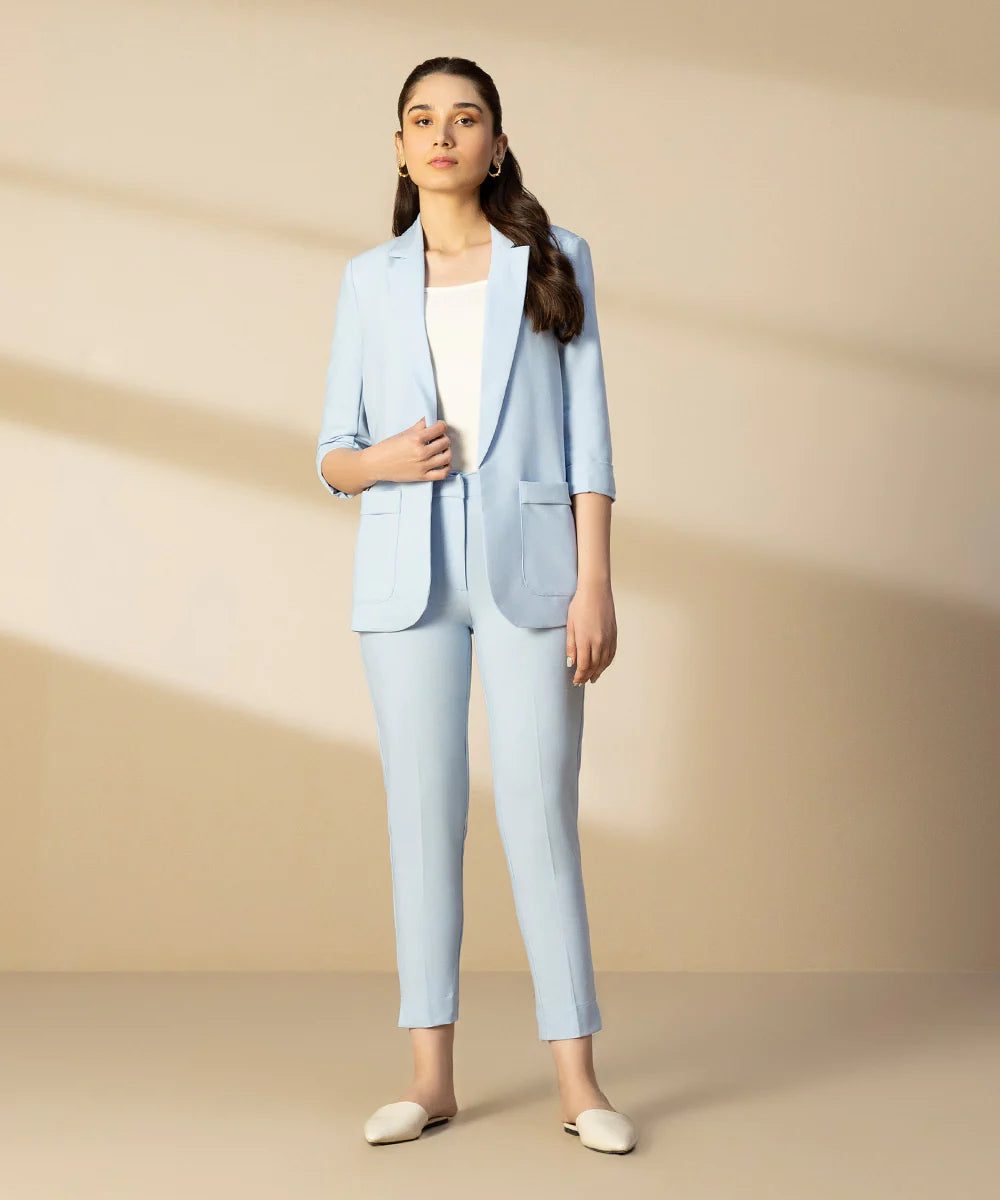
A matching suit can create a strong professional appearance, but you can also combine tailored separates.
Try a structured blazer with matching trousers, a simple blouse, and polished loafers or heels. A monochromatic outfit can also create a sophisticated appearance.
Avoid wearing anything that requires constant adjustment. When presenting or speaking in front of others, clothing should allow you to concentrate on your work rather than your outfit.
Choosing Professional Colors
Color can influence the impression an outfit creates.
Classic workplace colors include black, navy, gray, white, beige, cream, and brown. These shades are easy to coordinate and can form the foundation of a professional wardrobe.
You do not need to avoid bright colors completely. A colorful blouse, handbag, scarf, or pair of shoes can add personality to a neutral outfit.
For formal settings, use bold colors strategically. One statement color is often enough to make an outfit interesting without becoming distracting.
Professional Footwear
Comfortable footwear is essential, particularly for women who spend much of the day walking or standing.
Loafers, ballet flats, pointed flats, ankle boots, low heels, and classic pumps can all work depending on your workplace.
If you prefer heels, consider a lower or medium-height style that you can comfortably wear throughout the day.
Shoes should be clean and in good condition. Even a simple outfit can look polished when paired with well-maintained footwear.
Accessories for Workwear
Accessories should complement professional clothing rather than overwhelm it.
Useful office accessories include:
- Structured handbags
- Simple watches
- Minimal jewelry
- Belts
- Scarves
- Professional tote bags
- Subtle earrings
- Classic sunglasses
A structured bag can be especially practical because it provides space for everyday essentials while maintaining a polished appearance.
Choose accessories based on your workplace environment. A creative office may allow more statement jewelry, while a conservative corporate environment may favor understated pieces.
Office Wear for Different Seasons
Your professional wardrobe should adapt to changing weather.
During spring and summer, lightweight cotton, linen blends, breathable tailoring, and lightweight dresses can help maintain comfort. Choose lighter colors and breathable fabrics where appropriate.
In autumn and winter, layering becomes more important. Wool coats, knit sweaters, tailored trousers, long skirts, tights, and ankle boots can provide warmth while maintaining a professional appearance.
A good layering system allows you to adjust your outfit between outdoor temperatures and heated or air-conditioned offices.
How to Build a Professional Capsule Wardrobe
A capsule wardrobe can simplify office dressing. Instead of buying large quantities of clothing, focus on versatile pieces that work together.
A basic professional capsule wardrobe might include:
- Two tailored trousers
- One or two blazers
- Three to five blouses or shirts
- One versatile dress
- One midi skirt
- Two knit sweaters
- One cardigan
- One professional coat
- Two pairs of work-appropriate shoes
- One structured handbag
Choose complementary colors so that most pieces can be combined.
You can then add seasonal or statement pieces without rebuilding your entire wardrobe.
How to Look Professional and Comfortable
Professional clothing should not make you uncomfortable. A polished outfit is much easier to wear confidently when the fabric, fit, and footwear are practical.
Avoid clothing that is too restrictive or requires frequent adjustment. Choose breathable fabrics when possible and make sure your shoes are appropriate for your daily routine.
Fit is often more important than price. A simple, well-fitting outfit can look more professional than an expensive outfit that does not fit correctly.
Final Thoughts
The best office wear fashion for women professionals combines confidence, comfort, and professionalism. Tailored trousers, blazers, dresses, skirts, blouses, knitwear, and polished footwear provide a strong foundation for a versatile work wardrobe.
The right approach depends on your workplace, profession, personal style, and daily routine. Start with neutral, adaptable pieces and gradually introduce colors, patterns, textures, and accessories that reflect your personality.
Professional fashion does not need to be boring or restrictive. With thoughtful styling and a focus on fit, women can create office outfits that look polished while still feeling comfortable and authentically their own.