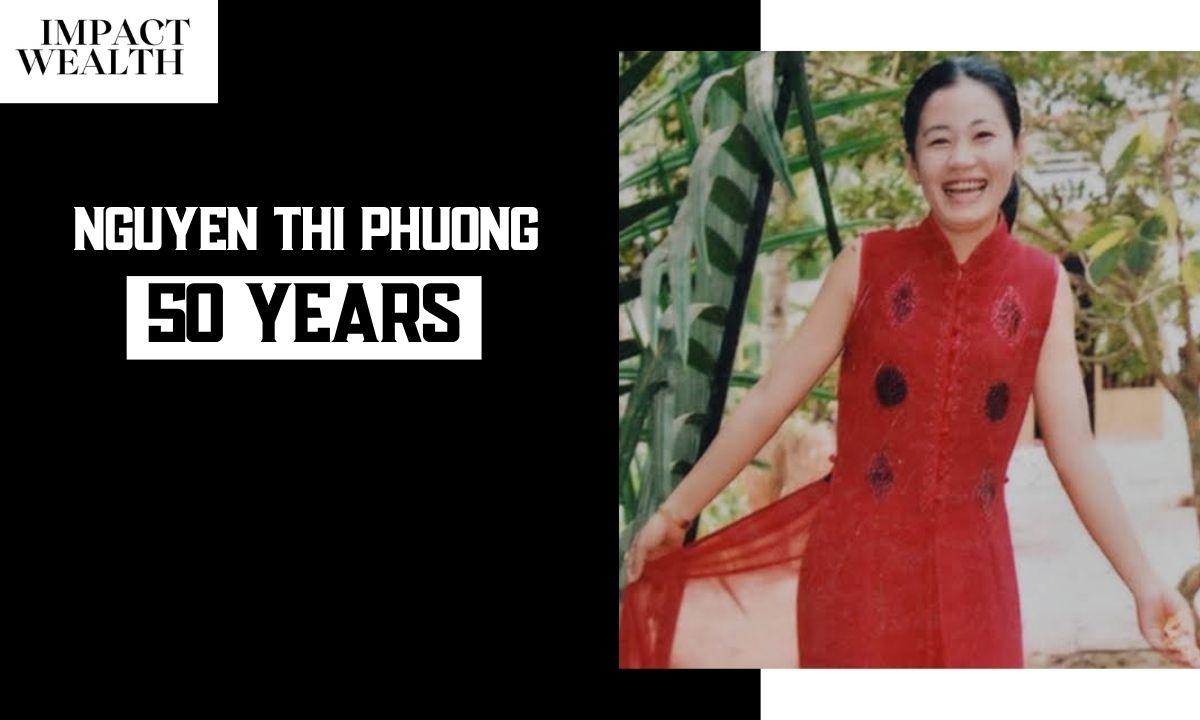
Nguyen Thi Phuong was a young Vietnamese woman who became a global medical mystery. Her skin aged dramatically after a seafood reaction changed her life forever. Doctors around the world studied her case with deep concern and serious interest. Her story touched millions of people across every continent by 2011.
She lived a simple and peaceful life in Bến Tre Province, southern Vietnam. Her husband worked hard daily as a carpenter to support their modest home. Nothing about their quiet life suggested such a heartbreaking event was coming. Yet one meal completely changed everything they had built together.
Her condition raised serious questions about unregulated medicines and rare skin disorders globally. Medical experts debated her diagnosis for years without reaching a single clear conclusion. Nguyen Thi Phuong became a landmark case that dermatologists still reference in 2026. Her story is both a medical warning and a deeply human experience worth understanding.
Who Is Nguyen Thi Phuong?
Nguyen Thi Phuong was born around 1985 in the Giồng Trôm district of Bến Tre Province. She married Nguyen Thanh Tuyen in 2006 when she was twenty-one years old. They lived a humble life with very little money but genuine happiness between them. Her health was completely normal before the events of 2008 began unfolding.
She was a warm and cheerful young woman known well within her local community. Her appearance was entirely typical for a healthy woman in her early twenties. No family history of rare skin conditions or immune disorders was ever reported before her illness. Her transformation shocked everyone who had known her personally for years.
When the world first heard about Nguyen Thi Phuong in late 2011, she was twenty-six. Her face looked like that of a woman four decades older than her real age. Yet her voice, teeth, hair, and mental clarity were all perfectly youthful still. That striking contrast made her one of the most discussed medical cases of the decade.
See More: Emilio Owen
The Night That Changed Everything: How a Seafood Allergy Triggered Rapid Aging
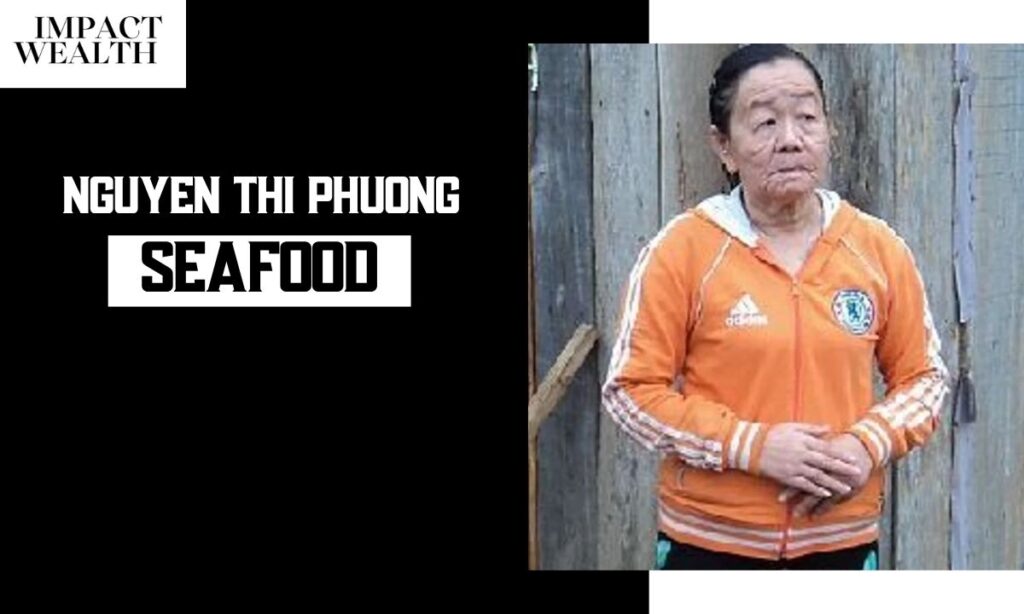
In 2008, Nguyen Thi Phuong ate seafood and developed an extreme allergic reaction immediately afterward. Her entire body broke out in painful hives that refused to go away on their own. The reaction was far more intense than a standard seasonal allergy or mild food sensitivity. It set off a chain of events that would alter her life permanently and completely.
Because hospital fees were far beyond what the couple could afford at that time, she turned to pharmacy drugs instead. When those over-the-counter pills provided no relief, she switched to local herbal remedies available cheaply nearby. Those herbal medicines secretly contained high doses of synthetic corticosteroids hidden inside their unlabeled ingredients. Her hives disappeared quickly, which made her believe the treatment was actually working well.
She continued taking those herbal medicines for several months without knowing their true chemical content. When she finally stopped using them, her skin began collapsing at a shocking and visible speed. The internal structural damage the steroids had quietly caused became fully apparent within a very short time. Nguyen Thi Phuong went from looking like a young woman to resembling someone in her seventies almost immediately.
Inside the Medical Diagnosis: Did Nguyen Thi Phuong Have Mastocytosis or Lipodystrophy?
When medical teams examined Nguyen Thi Phuong properly in 2011, they found no simple single answer. Her condition pointed toward multiple overlapping disorders that were each extremely rare on their own. The debate between mastocytosis and lipodystrophy divided local and international specialists quite sharply. Each theory explained certain visible symptoms well but failed to cover all the evidence completely.
Mastocytosis involves an abnormal overproduction of immune mast cells inside body tissue layers. These cells flood the dermis and release inflammatory chemicals that cause lasting damage over time. This theory explained her chronic hives, deep lesions, and the severe stomach pain she endured daily. Dr. Hoang Van Minh in Ho Chi Minh City formally diagnosed her with this condition after evaluation.
Lipodystrophy and acquired cutis laxa focused on the physical collapse of her skin’s support structure instead. These conditions destroy the fat layer and elastic fibers that keep skin taut and firm. Without that foundation, the outer skin grows loose and folds heavily under gravitational pressure. International specialists argued this structural explanation better matched her dramatic external physical appearance.
The Role of Steroids and Wrong Medications in Her Sudden Transformation
The herbal medicines that Nguyen Thi Phuong consumed were never properly tested or officially regulated. Investigators later found strong evidence that those products contained hidden corticosteroid compounds inside them. These powerful anti-inflammatory drugs relieved her allergy symptoms quickly and convincingly at first. She had absolutely no reason to suspect the treatment was quietly destroying her skin from within.
Long-term exposure to corticosteroids blocks the body from producing collagen and elastin naturally. Both proteins are essential for keeping skin firm, elastic, and structurally sound over time. As months passed, her dermal layer became thinner and weaker without any visible external warning signs. The damage built up silently while she continued believing the herbal treatment was helping her condition.
The real crisis arrived the moment she abruptly stopped taking those medicines without medical guidance. Her body entered a sharp withdrawal state, and facial swelling from steroid use dropped away rapidly. What remained underneath was a completely weakened skin structure with almost no internal support left. That sudden deflation produced the dramatic aged appearance that made her story go viral worldwide.
Nguyen Thi Phuong Case Timeline
The story of Nguyen Thi Phuong moved through several painful stages across seven difficult years. Each phase introduced new medical questions, new emotional challenges, and growing public awareness globally. Understanding this timeline makes it easier to see how everything connected and compounded over time. No single moment caused her condition — it developed through a series of linked events.
Her journey began with an allergic reaction in 2008 and ended with her passing in 2015. Between those two points, she experienced misdiagnosis, isolation, brief hope, and serious internal decline. Every year brought a new layer of difficulty that tested both her body and her spirit. The timeline below captures the key moments of her remarkable and heartbreaking story.
The full progression of her case is important for understanding rare skin conditions in medical history. It also highlights how poverty and limited healthcare access can turn a treatable allergy into a tragedy. Nguyen Thi Phuong’s case remains one of the most thoroughly documented rare dermatological stories across Southeast Asia today.
2008 — A severe seafood allergy caused full-body hives and intense skin reactions.
Late 2008 — She used pharmacy pills first, then switched to unregulated herbal medicines.
2009 — She stopped herbal treatment, and her skin collapsed visibly within days afterward.
2009 to 2011 — She stayed indoors and wore a face mask whenever she went outside.
October 2011 — Vietnamese media published her story and global attention arrived quickly.
Late 2011 — Medical teams in Ho Chi Minh City provided free diagnosis and initial treatment.
2012 to 2014 — Minor cosmetic improvement occurred while internal organ health kept declining.
2013 — She traveled to Russia for an international medical research forum on rare aging.
August 19, 2015 — She passed away at age thirty from severe digestive organ failure.
A Husband’s Devotion: The Heartwarming Love Story Behind the Headlines
Nguyen Thanh Tuyen married Nguyen Thi Phuong in 2006 and never once considered walking away. When her appearance changed completely, he chose her without hesitation or doubt. His loyalty became just as widely known around the world as her medical condition itself. People everywhere found his commitment deeply moving and genuinely rare in its strength.
He worked extra hours as a carpenter to fund her endless medical treatments and daily care. While neighbors whispered and strangers pointed, Tuyen stayed focused entirely on protecting his wife. He carried every household burden without complaint while keeping her emotionally safe from outside cruelty. His quiet strength gave her a sense of security during the most isolating years of her life.
When international reporters visited their home in 2011, Tuyen held her hand openly in front of cameras. He told the world that his love for her had never changed even slightly since they first met. Those words reached millions of people who were following her story from countries around the globe. His devotion turned a painful medical story into one of the most remembered love stories of that era.
Staying Together Against All Odds: How True Love Survived a Medical Nightmare
Phuong withdrew from the outside world, but Tuyen never once withdrew from her side. He took over every responsibility at home while managing her increasing medical needs every day. Their relationship grew deeper and stronger even as her physical condition kept deteriorating over time. What they built together proved that genuine love does not depend on appearance or circumstance.
During her most difficult nights, Tuyen remained awake beside her without frustration or complaint. He prepared soft meals carefully when her digestive system could barely process normal food anymore. Every small act of care he showed her carried more weight than any spoken word could express. He was not just her husband during those years — he was her primary caregiver and protector entirely.
Their story demonstrated something that many people discuss but rarely witness in real life. Countless couples with far smaller challenges choose to walk away when things become hard. Tuyen and Nguyen Thi Phuong faced something almost impossibly difficult, yet they stayed completely united. He remained beside her until her very final breath on August 19, 2015.
Confronting the Public Eye: The Psychological Toll of Viral Fame on Nguyen Thi Phuong
Becoming an international news story brought Nguyen Thi Phuong medical help but also enormous emotional pain. Cameras arrived at her home and captured her most vulnerable and private physical moments on film. She frequently expressed feeling more like a public curiosity than a real person with genuine emotions. The attention she received was rarely the kind that actually made her feel seen or respected.
Before any media attention arrived, she had already been dealing with deep personal distress alone. She avoided all mirrors, refused to leave home freely, and covered her face whenever she ventured outside. The viral spotlight forced that private pain into public view for millions of strangers to examine. What had been her own personal burden suddenly became a story the entire world felt entitled to watch.
She carried heavy guilt about depending fully on her husband while being unable to work or contribute. The combination of physical change, community gossip, and global media attention created an immense emotional weight. Nguyen Thi Phuong endured all of it with quiet dignity that many observers found deeply admirable. Her emotional resilience under those conditions was truly remarkable given everything she was facing daily.
See More: Cameron Friscia
Where Is She Now? The Truth About Nguyen Thi Phuong Medical Legacy
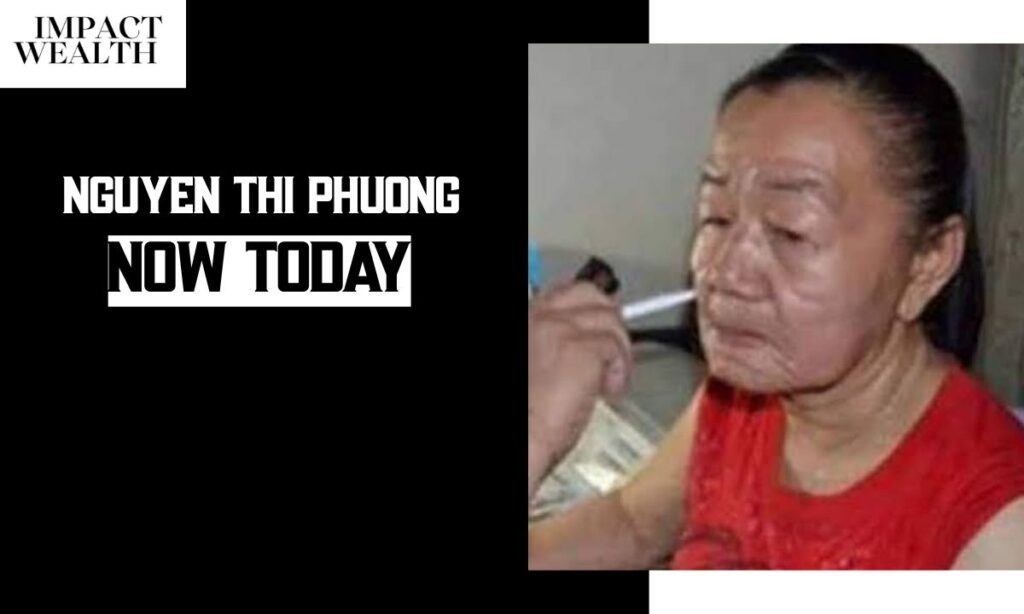
Nguyen Thi Phuong is no longer alive. She passed away on August 19, 2015, at the age of thirty years old. Her death was caused by severe gastrointestinal failure linked to her underlying medical conditions. She spent her final months in serious physical decline, unable to eat or rest properly at all.
Her medical case, however, continues to contribute meaningfully to global dermatological research and education. Tissue samples from her biopsy were examined by specialists connected to Baylor University in Texas, United States. She was only the second patient in recorded adult medical history to show that specific overlap of conditions. Her files are still used today to train physicians in identifying rare systemic skin syndromes worldwide.
Her most lasting public health legacy remains the warning her story carries about unregulated herbal medicines. The Vietnamese Ministry of Health has referenced her case repeatedly as evidence of steroid adulteration dangers. Nguyen Thi Phuong’s name continues to appear in dermatology discussions, public health campaigns, and medical education materials. Her life was short, but its impact on medical awareness has proven genuinely far-reaching and lasting.
The Science Behind Rapid Aging: Can an Allergy Really Change Your Face Overnight?
A standard food allergy cannot permanently age human skin under any normal medical circumstance. Typical allergic reactions produce temporary swelling, redness, and hives that resolve with proper treatment quickly. What happened to Nguyen Thi Phuong involved a far deeper and more destructive biological process underneath the surface. Her allergy was only the first domino in a much longer and more damaging chain reaction.
The real damage came from months of hidden steroid exposure that quietly destroyed her skin’s structural proteins. Collagen and elastin both broke down gradually while she continued believing her herbal treatment was helping her. When she stopped the medication abruptly, the internal collapse became visible almost immediately to anyone who saw her. What looked like extreme aging was actually the complete deflation of her skin’s internal support framework.
Her hair remained black, her teeth stayed intact, and her voice stayed completely youthful throughout her entire transformation. Her internal organs also continued functioning at levels appropriate for a woman in her mid-twenties. This confirmed clearly that biological aging had not actually occurred inside her body at all. Only the structural layer of her skin had been chemically dismantled, creating a powerful and misleading visual effect.
Medical Examination: Doctors’ Theories on Nguyen Thi Phuong Rare Skin Condition
When top medical specialists finally examined Nguyen Thi Phuong properly in late 2011, three distinct theories emerged. Each theory explained a different dimension of her transformation and identified a different primary cause. The medical debate that followed was intense and involved dermatologists from multiple countries examining the same evidence. No single theory could fully explain every aspect of what had happened to her skin.
The first theory centered on mastocytosis as the root cellular disorder driving her condition from within. The second focused on acquired cutis laxa, where the dermis loses all its elastic fiber content completely. The third emphasized corticosteroid poisoning from her unregulated medicines as the key accelerating factor throughout. Most experts now agree in 2026 that all three conditions interacted together in a destructive cascade.
Mastocytosis triggered intense internal inflammation that then broke down her dermal elastic fibers progressively. That breakdown evolved into acquired cutis laxa, which destroyed her skin’s ability to hold any tension. The steroid withdrawal then removed whatever structural support remained inside her weakened dermal layer entirely. This three-part chain reaction produced a physical outcome that medical literature had rarely documented before her case.
Cutis Laxa vs. Mastocytosis: The Dermatological Debate Around Her Case
The central medical disagreement around Nguyen Thi Phuong’s condition involved two completely different skin disorder categories. Mastocytosis is an immune cell disorder where mast cells multiply abnormally inside body tissue layers. Cutis laxa is a structural disorder where elastic fibers inside the skin dissolve and cause permanent sagging. These two conditions target entirely different components of the skin and produce very different visible results.
Local doctors in Ho Chi Minh City supported the mastocytosis diagnosis based on blood results and symptom history. Her extreme hives, chronic lesions, and severe internal stomach pain all pointed clearly toward that diagnosis. International specialists reviewing her case argued that mastocytosis alone could never explain such dramatic skin drooping. They pushed firmly for acquired cutis laxa as the primary explanation behind her external physical appearance.
Biopsy analysis eventually revealed that both conditions were present and actively working together inside her body. Mastocytosis caused the inflammatory environment that triggered elastolysis deep within her dermal tissue layer. That elastolysis then progressed into full acquired cutis laxa, producing a combined condition almost unseen before in medicine. Nguyen Thi Phuong was confirmed as only the second adult globally documented with this exact intersection of disorders.
Financial Struggles and the Global Funding Search for Her Medical Treatment
Nguyen Thi Phuong and her husband lived in genuine poverty throughout the entire duration of her illness. Tuyen’s earnings as a local carpenter were never sufficient to cover the cost of specialist medical care. This financial barrier kept her from receiving a proper diagnosis for several years while her condition worsened steadily. Poverty was not just a background detail in her story — it was a direct cause of how far things progressed.
When international media coverage brought global attention to her case in 2011, charitable support began to arrive. Medical institutions offered free consultations, and public donations helped cover some of her treatment expenses. People from different countries sent assistance after connecting emotionally with her story and her husband’s loyalty. The response showed how powerfully a human story can mobilize compassion across geographical and cultural boundaries.
Despite the support she eventually received, her treatment remained severely limited by the rarity of her combined conditions. No established medical protocol existed anywhere in the world for the specific overlap she was experiencing. The financial and healthcare access challenges she faced throughout her life reflected a much larger inequality problem. Her case continues to prompt discussions about affordable healthcare access for rural and low-income communities across Vietnam.
Real or Fake? Fact-Checking the Viral Story of the Vietnamese Woman Who Aged Fast
The story of Nguyen Thi Phuong is entirely real and has been confirmed by multiple credible and independent sources. Vietnamese hospitals, international medical researchers, and respected media organizations all verified the core details publicly. No credible investigation has ever found evidence suggesting her condition was exaggerated, staged, or fabricated in any way. Her case is documented in medical literature and referenced in dermatology education around the world today.
Many viral headlines claimed she aged overnight or within a single day, which was an oversimplification of actual events. Her true transformation developed over several months following her steroid withdrawal period that began in 2009. The phrase “overnight aging” spread rapidly because it was dramatic and emotionally compelling for general audiences worldwide. It was a simplification that captured attention but did not accurately reflect the medical timeline of her condition.
Her biological age and her visual appearance remained completely separate realities throughout her entire illness. She was twenty-six years old when her story reached global audiences, not seventy as her face suggested to strangers. The Nguyen Thi Phuong allergy to seafood and its devastating chain of consequences were entirely real and thoroughly documented. Her story deserves to be understood accurately rather than reduced to a shocking headline about overnight transformation.
Similar Cases Worldwide: Other Documented Instances of Sudden Accelerated Aging
Rapid visual aging caused by rare medical conditions is extraordinarily uncommon across global medical history. Only a small number of individuals worldwide have experienced transformations even remotely similar to what Phuong went through. Each documented case involved a different combination of genetic factors, immune disorders, or toxic drug reactions. These cases collectively help researchers better understand how skin elasticity and structure can fail in rare circumstances.
Zara Hartshorn from Rotherham in the United Kingdom developed deep facial wrinkles and loose skin as a teenager. Genetic testing confirmed she had inherited cutis laxa directly from her mother through a hereditary pathway. Her case became a significant study in how genetic elastic-tissue breakdown can produce premature aging decades too early. Unlike Nguyen Thi Phuong, her condition was not triggered by medication but was present from birth genetically.
In 2014, a twenty-eight-year-old woman named Hu Juan from Henan Province in China lost all facial skin elasticity after childbirth. Her skin visually aged by several decades within just a few months of her delivery date. Her internal organs and biological systems remained fully healthy throughout her external transformation period. Like Nguyen Thi Phuong, she required significant medical intervention to manage the redundant skin that had formed across her face and neck.
See More: Isabella Jane Cruise
Nguyen Thi Phuong Age
Nguyen Thi Phuong was twenty-three years old when the Nguyen Thi Phuong allergy first triggered her condition back in 2008. She was twenty-six when international media brought her story to a global audience in late 2011. Her skin made her appear to be in her seventies, though her actual biological age told a completely different story. She passed away on August 19, 2015, at just thirty years of age.
Every internal system in her body continued functioning at the level expected for a young woman throughout her illness. Only the structural tissue of her skin had been chemically destroyed, creating a deeply misleading visual contrast. Nguyen Thi Phuong’s real age and her apparent age were separated by nearly five full decades visually. That gap between biological reality and outward appearance made her case uniquely compelling to the entire medical world.
Nguyen Thi Phuong — Complete Age and Life Reference Table
| Detail | Information |
| Approximate Birth Year | 1985 |
| Age When Allergy Began | 23 years old (2008) |
| Age When Story Went Global | 26 years old (2011) |
| Visual Apparent Age | Resembled a woman in her seventies |
| Age at Time of Death | 30 years old |
| Date of Passing | August 19, 2015 |
| Cause of Death | Severe gastrointestinal and digestive organ failure |
| Home Province | Bến Tre Province, Vietnam |
| Husband’s Name | Nguyen Thanh Tuyen |
| Confirmed Medical Conditions | Mastocytosis, Acquired Cutis Laxa, Corticosteroid Poisoning |
Last Words
Nguyen Thi Phuong lived a brief life marked by immense physical hardship and extraordinary personal courage. She faced a medical condition with almost no precedent anywhere in the world while living in deep poverty. Her story is a powerful reminder of how dangerous unregulated medicines can be for vulnerable communities everywhere. The combination of a rare immune disorder and toxic herbal treatment created a largely preventable tragedy.
She left behind a medical legacy that continues to educate doctors and public health workers across the globe. Her case pushed forward awareness about steroid-contaminated herbal products sold without regulation across Southeast Asia and beyond. Nguyen Thi Phuong may be gone, but the lessons her story carries for medicine and healthcare policy remain deeply relevant today. The world remembers her not just as a medical mystery but as a brave and deeply loved human being.
Frequently Asked Questions
Who was Nguyen Thi Phuong?
She was a Vietnamese woman from Bến Tre Province whose skin aged dramatically due to a rare combination of mastocytosis, acquired cutis laxa, and unregulated steroid-laced herbal medicines.
What happened to Nguyen Thi Phuong exactly?
A seafood allergy led her to use herbal medicines that secretly contained corticosteroids, which destroyed her skin structure and caused her to look decades older than her real age.
What caused the Nguyen Thi Phuong allergy reaction to escalate so severely?
Her Nguyen Thi Phuong allergy triggered self-medication with unregulated herbal treatments containing hidden steroids, which caused long-term damage to her skin’s collagen and elastic tissue.
Did Nguyen Thi Phuong age overnight as headlines claimed?
No. Her transformation developed over several months following steroid withdrawal in 2009, not overnight as many viral headlines inaccurately reported to wide audiences.
How old was she when she passed away?
She was thirty years old when she passed away on August 19, 2015, from severe digestive organ failure connected to her underlying conditions.
Is the story of Nguyen Thi Phuong verified and real?
Yes, her story is fully verified by Vietnamese hospitals, international dermatologists, and credible media organizations that covered her case in detail over several years.
Did her husband stay with her throughout her illness?
Yes, her husband Nguyen Thanh Tuyen remained completely devoted to her from the beginning of her illness in 2008 until her passing in 2015.
What is acquired cutis laxa and how did it affect her?
Acquired cutis laxa is a rare condition where dermal elastic fibers dissolve completely, causing skin to lose all tension and fold heavily — which is exactly what happened to her skin.
What is her medical legacy in 2026?
Her biopsy files are still studied by dermatologists globally, and her case remains a key public health reference against steroid-adulterated traditional medicines across Southeast Asia.
Were there other people worldwide with a similar condition?
Yes, including Zara Hartshorn in the United Kingdom with hereditary cutis laxa and Hu Juan in China who developed aggressive acquired cutis laxa after childbirth in 2014.