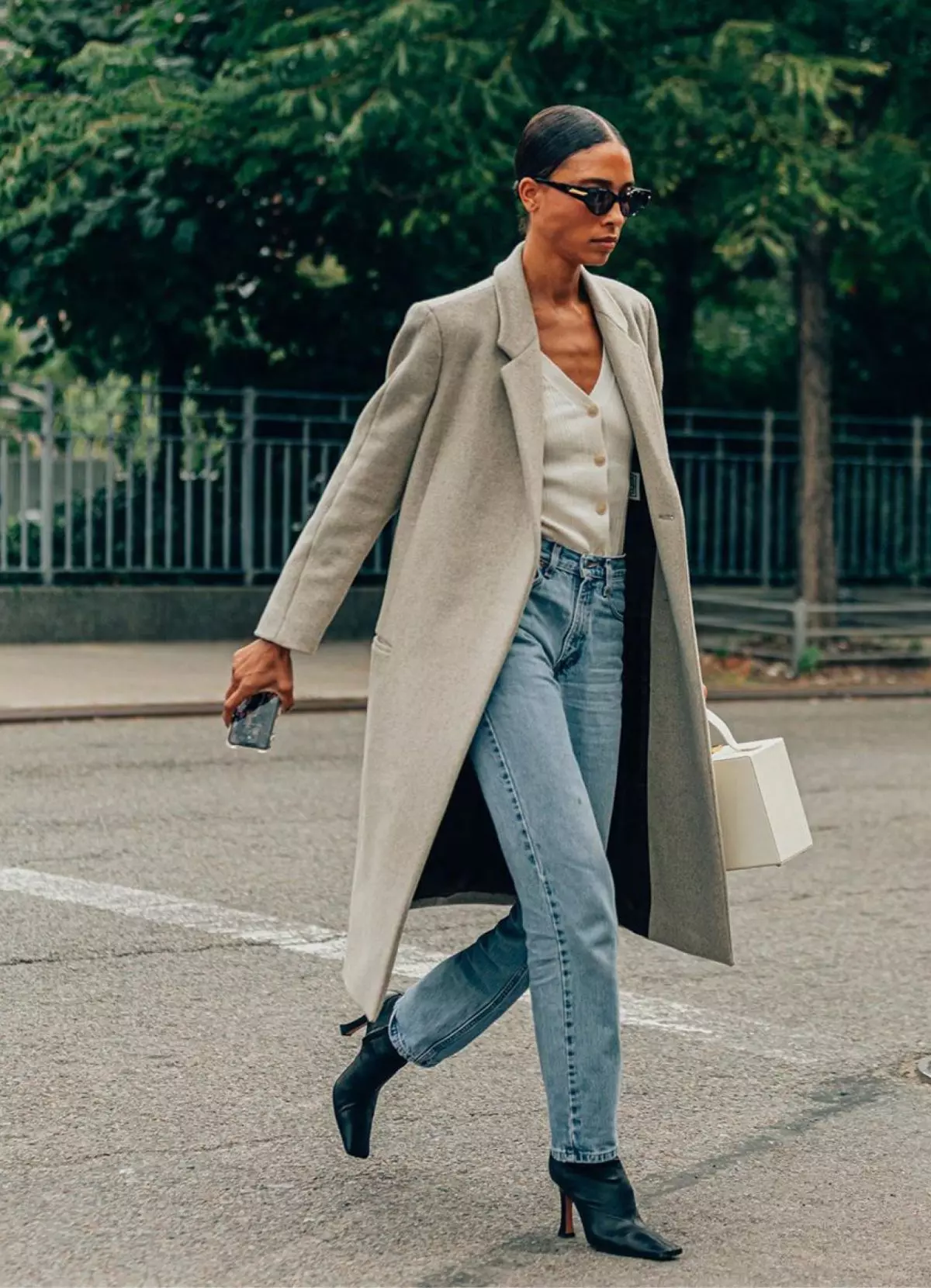
For busy professionals, getting dressed should be simple, efficient, and reliable. A minimalist wardrobe can make this easier by focusing on versatile pieces, neutral colors, comfortable fabrics, and timeless silhouettes. Instead of spending valuable time deciding what to wear each morning, professionals can build a collection of clothing that works together effortlessly.
Minimalist fashion is not about owning as few clothes as possible. It is about choosing pieces carefully and creating a wardrobe where almost everything has a purpose.
Choose a Neutral Color Palette
Neutral colors are the foundation of a practical minimalist wardrobe. Black, white, navy, gray, beige, cream, and brown are easy to combine and can create polished outfits without much effort.
For example, a navy blazer can be worn with gray trousers one day and beige chinos or a simple skirt another day. Keeping the main wardrobe neutral also makes it easier to add occasional colors through accessories or individual statement pieces.
Invest in Well-Fitting Basics
Good fit can make even a simple outfit look sophisticated. Professionals should prioritize clothing that fits comfortably around the shoulders, waist, sleeves, and legs.
Useful basics include:
- Tailored trousers
- Straight or slim-leg pants
- Plain shirts and blouses
- Well-fitting T-shirts
- A versatile blazer
- A classic cardigan or sweater
- A simple dress
- A polished jacket or coat
The exact pieces can vary according to workplace dress codes and personal preferences.
Create a Small Collection of Workwear
A professional wardrobe does not need to be large. A few reliable pieces can create numerous combinations.
For example, two pairs of trousers, several neutral shirts or blouses, one blazer, a sweater, and versatile shoes can produce a variety of work-appropriate outfits. Choose garments that coordinate rather than purchasing individual pieces that only work with one outfit.
Try Monochromatic Outfits
Monochromatic dressing is an easy way to create a polished appearance. Wearing different shades of one color can make an outfit look intentional without requiring complicated styling.
A gray sweater with charcoal trousers and black shoes, for example, creates a sophisticated professional look. Similarly, cream and beige pieces can produce a softer, elegant combination.
Keep Accessories Simple
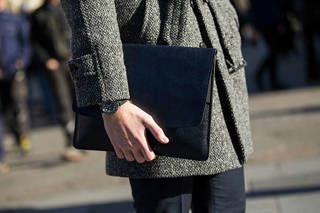
Minimalist outfits benefit from understated accessories. A classic watch, simple belt, structured handbag, small earrings, or subtle necklace can complete an outfit without making it feel excessive.
Choose accessories that are practical as well as attractive. A quality work bag, for example, can carry everyday essentials while adding structure to a professional outfit.
Select Comfortable, Versatile Shoes
Busy professionals often spend long hours moving between meetings, offices, commutes, and social events. Comfortable footwear is therefore essential.
Depending on the workplace, suitable options may include loafers, clean sneakers, ballet flats, ankle boots, pumps, or other supportive professional shoes. Neutral colors generally provide the most flexibility.
Use Layering to Adapt Throughout the Day
Office temperatures and outdoor conditions can vary significantly. Layering allows you to adjust your outfit without compromising your overall appearance.
A lightweight shirt under a blazer, a fine-knit sweater over a blouse, or a cardigan worn with tailored trousers can provide flexibility. Choose layers that are easy to remove and carry when necessary.
Build Easy Outfit Formulas
Having a few reliable outfit formulas can reduce decision-making in the morning.
A professional might use combinations such as:
- Blazer + plain top + tailored trousers + loafers
- Button-down shirt + straight-leg trousers + flats
- Simple dress + structured jacket + ankle boots
- Fine-knit sweater + trousers + minimalist sneakers
- Blouse + midi skirt + loafers
These formulas can be adjusted according to the workplace, season, and personal style.
Choose Low-Maintenance Fabrics
Busy schedules leave little time for complicated clothing care. Whenever possible, choose fabrics that resist wrinkles, wash easily, and maintain their shape.
Always follow the care instructions on the garment. A simple clothing-care routine can help professional clothing remain presentable for longer.
Prepare Outfits in Advance
One of the simplest ways to save time is to plan outfits ahead of schedule. Spending a few minutes on Sunday evening selecting several work outfits can make weekday mornings much easier.
Keep frequently worn pieces organized and make sure shoes, bags, and accessories are easy to access. This turns getting dressed into a quick routine rather than a daily decision-making process.
Add Personality Without Losing Minimalism
Minimalist fashion does not have to be boring. Personal style can be expressed through color, texture, jewelry, footwear, bags, or subtle patterns.
If your main wardrobe consists of neutral basics, a colorful scarf, distinctive watch, patterned blouse, or statement shoe can add personality while keeping the overall outfit sophisticated.
Final Thoughts
Minimalist fashion is particularly useful for busy professionals because it reduces complexity while maintaining a polished appearance. The key is to build a coordinated wardrobe around versatile basics, comfortable footwear, simple accessories, and timeless silhouettes.
With a few dependable outfit formulas and some advance planning, professionals can spend less time deciding what to wear and more time focusing on the things that matter throughout their busy day.