Updated posts 2026
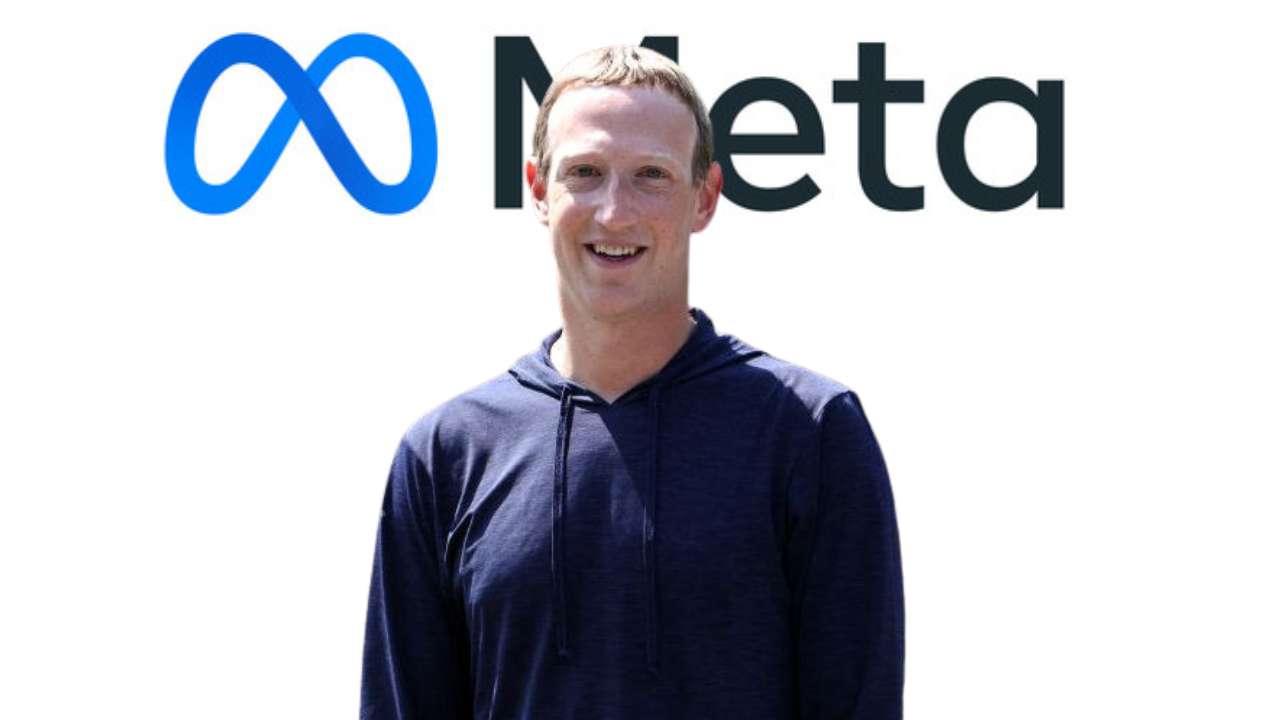
Meta Update 2024: In a significant move, Meta has declared its first quarterly dividend while also announcing a $50 billion share buyback program. The decision mirrors strategies adopted by Apple, Microsoft, and Oracle before it.
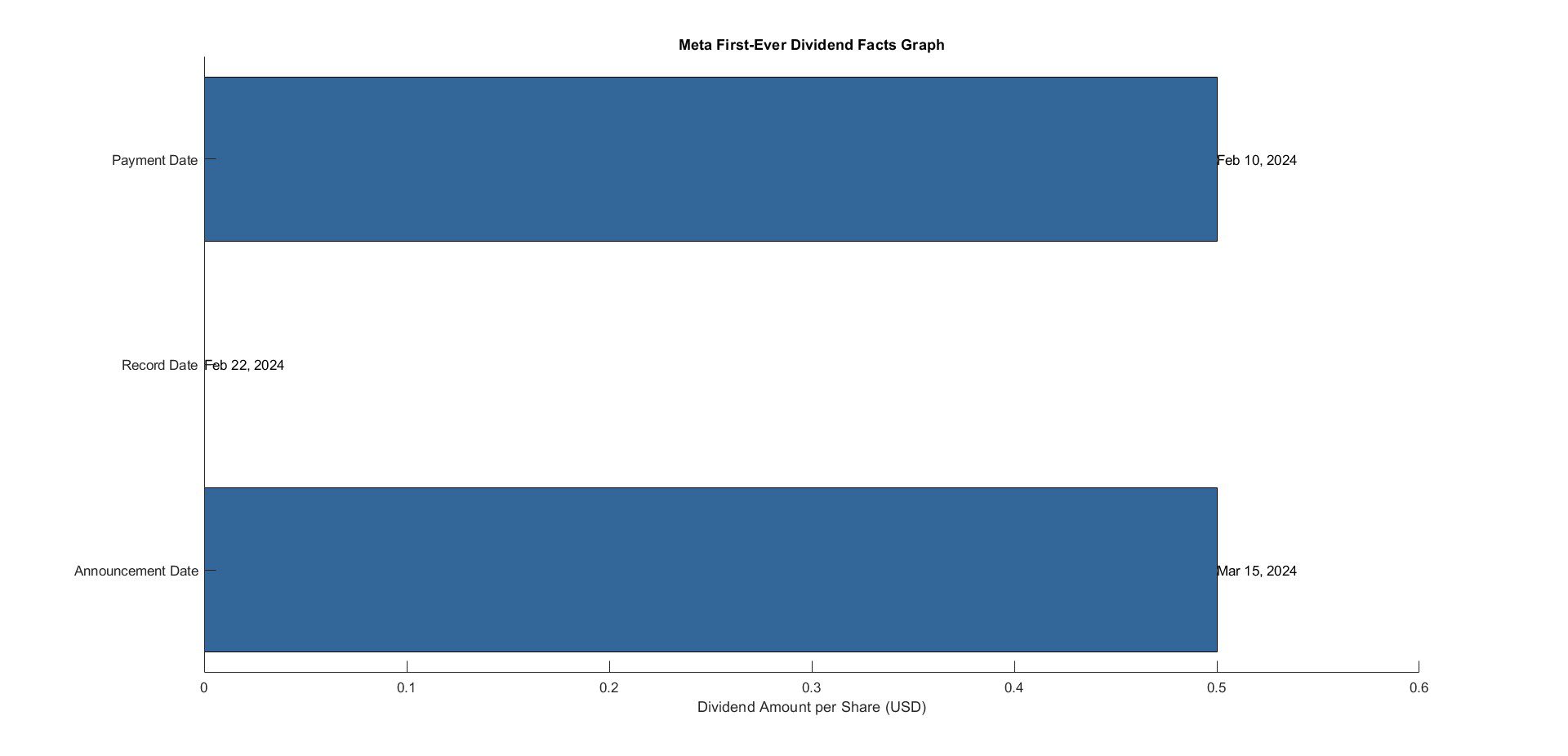
Meta will distribute a per-share dividend of 50 cents, aligning it with established peers in the industry. The announcement came alongside the company’s fourth-quarter financial results, which exceeded market expectations.
During the announcement, Chief Financial Officer Susan Li described the dividend as a step towards a more balanced capital return program, offering greater flexibility in future capital allocation. Investors responded, with Meta’s shares rising over 14% in extended trading.
A company initiating a dividend is making a statement about its own stage of life. Growth companies retain earnings because they expect to earn a better return reinvesting than shareholders would get holding the cash; paying a dividend signals that the business now generates more cash than it can productively deploy. That is usually welcomed by investors as evidence of maturity and discipline, and it comes with an implicit commitment, since cutting a dividend once established is read as a sign of distress in a way that never starting one is not.
Scheduled for payment in March to shareholders of record as of February 22nd, the distribution reflects Meta’s stated commitment to shareholder returns. The decision also signals confidence in the company’s financial position.
Also read: Despite Meta’s Multibillion-Dollar Investments, VR Market Continues to Decline
The expanded $50 billion share buyback program adds to Meta’s return of capital. Against a market capitalization around $1 trillion, the authorisation represents roughly 5% of Meta’s outstanding shares.
The after-market rally continues a run of growth for Meta’s stock, building on the substantial increase in market capitalization through 2023. Having surpassed its 2021 record the previous month, Meta has recovered fully from the decline that followed.
Meta’s decision to introduce a dividend diverges from Amazon and Alphabet, which had not made such distributions. Microsoft began paying dividends in 2003 and Oracle in 2009, both at comparable points in their development.
As Meta continues in a fast-moving industry, the introduction of a dividend alongside a substantial buyback marks a shift in how the company positions itself to investors — less as a growth story requiring patience, more as a business returning cash while it invests.
Also read: Meta’s $19 Billion Gamble: Can WhatsApp Turn Business Messaging into Profit?