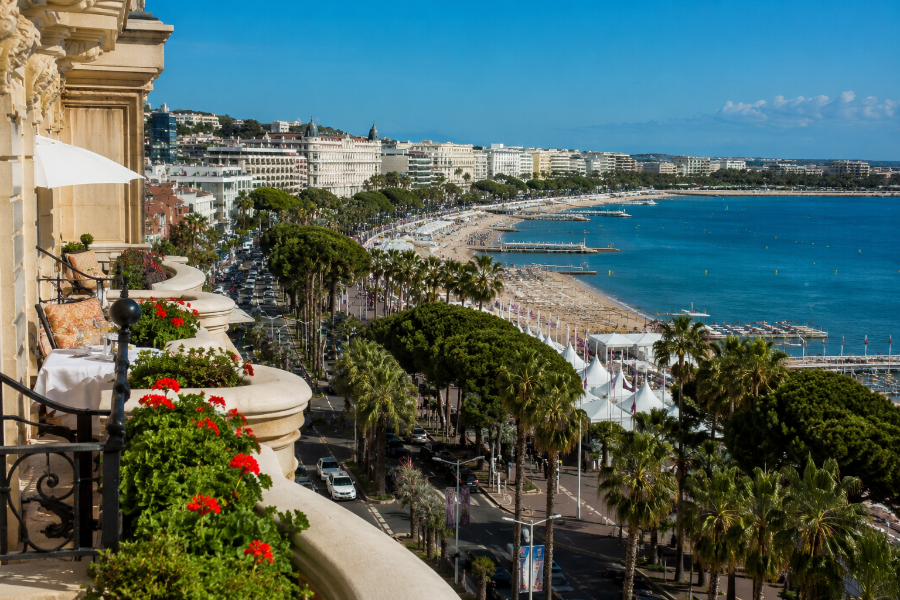
The Cannes Film Festival has evolved far beyond a prestigious cinema event. Today, it functions as one of the most powerful luxury tourism and hospitality engines in the world. Every year, the French Riviera transforms into a concentrated hub of entertainment, wealth, media influence, and premium travel demand. As a result, Luxury Hotels Cannes Film Festival dynamics create one of the highest-value revenue periods in global hospitality.
During festival week, luxury suites across Cannes and the surrounding Riviera often sell out months in advance. Filmmakers, producers, celebrities, media executives, investors, and global brands all converge in a relatively compact coastal city. Consequently, demand for high-end accommodation reaches extraordinary levels. Hotels capitalize on this temporary but intense surge through dynamic pricing, premium service packages, strategic partnerships, and exclusivity-focused positioning.
Moreover, the Cannes hospitality ecosystem extends beyond traditional hotel stays. Private yachts, luxury transportation providers, concierge services, security firms, and global fashion brands all integrate into the city’s tourism economy during the festival. Hotels become central operational hubs for entertainment networking, private meetings, brand activations, and media events.
The result is a highly concentrated luxury economy where a single week can significantly influence annual hotel profitability. While many tourism destinations rely on seasonal vacation demand, Cannes demonstrates how event-driven hospitality can generate disproportionately high revenue within a very short period. Therefore, understanding the economics behind Luxury Hotels Cannes Film Festival operations offers valuable insight into the future of global luxury tourism.
Why Cannes Film Festival Is a Peak Revenue Event for Luxury Hotels?
The Cannes Film Festival creates one of the most compressed and profitable demand windows in luxury hospitality. Unlike traditional leisure tourism seasons that stretch over several months, Cannes concentrates elite global demand into a short timeframe. Consequently, hotels experience near-maximum occupancy while simultaneously increasing room rates dramatically.
During festival week, occupancy rates at major luxury properties frequently approach 100%. International film industry professionals arrive alongside media buyers, fashion executives, sponsors, and investors. Moreover, many attendees require extended stays because of screenings, negotiations, networking events, and promotional campaigns.
This creates an unusual form of demand elasticity. Guests attending Cannes are often less sensitive to pricing because attendance itself carries strategic business and branding value. Therefore, luxury hotels can increase nightly rates substantially without weakening demand. In contrast to conventional tourism cycles, Cannes visitors often prioritize location, exclusivity, security, and prestige over affordability.
Additionally, exclusivity drives booking behavior. Many premium suites become recurring annual reservations for studios, agencies, or returning VIP clients. As a result, inventory availability tightens far earlier than in standard tourism markets.
Key factors behind Cannes revenue concentration include:
- Near-full luxury hotel occupancy during festival week
- High-spending international business travelers
- Media exposure increasing hotel prestige
- Premium pricing flexibility under strong demand
- Corporate entertainment and networking budgets
The festival effectively transforms Cannes into a global marketplace for entertainment, luxury branding, and elite hospitality spending.
How Luxury Hotels Cannes Film Festival Pricing Strategies Work?
Luxury hotels in Cannes rely heavily on advanced pricing strategies during festival week. Rather than applying static room rates, properties continuously adjust prices based on demand patterns, booking velocity, guest profile, and suite availability. Consequently, festival week pricing can multiply standard Riviera rates several times over.
Dynamic pricing models allow hotels to maximize revenue during peak demand periods. Moreover, premium suites often operate under entirely different pricing structures than standard rooms. Ultra-luxury inventory may include customized concierge services, private entrances, enhanced security arrangements, chauffeur access, and yacht coordination.
Hotels also implement minimum stay requirements. Instead of accepting short reservations, many properties prioritize guests willing to commit to longer bookings. Therefore, hotels stabilize occupancy while maximizing total revenue per room.
Additionally, segmentation strategies play a major role. Entertainment executives, celebrities, media agencies, and luxury sponsors each represent distinct customer categories with different spending capacities and operational needs. Hotels tailor packages accordingly.
Common Cannes hotel pricing strategies include:
- Dynamic rate adjustments based on real-time demand
- Mandatory multi-night booking policies
- Suite-based premium pricing structures
- VIP concierge and transportation packages
- Early contract agreements with studios and agencies
Meanwhile, long-term advance bookings reduce uncertainty for luxury properties. Many premium clients secure accommodations months ahead of the festival, particularly for top-tier suites overlooking the Croisette.
Luxury Hotel Revenue Drivers During Cannes Film Festival Week
| Revenue Factor | Description | Impact Level | Guest Type | Profit Strategy |
|---|---|---|---|---|
| Dynamic Pricing | Real-time room rate increases | Very High | All guests | Maximize peak demand revenue |
| Suite Upgrades | Premium suite segmentation | High | Celebrities, executives | Increase average booking value |
| Concierge Services | Personalized luxury experiences | High | VIP guests | Service-based revenue expansion |
| Brand Partnerships | Events with studios and sponsors | Very High | Corporate clients | Sponsorship and activation income |
| Long-Stay Requirements | Minimum booking periods | Medium | International attendees | Occupancy stabilization |
Inside the Cannes Luxury Hospitality Ecosystem
The Cannes hospitality ecosystem operates as an interconnected luxury network rather than a collection of isolated hotels. Properties such as Hotel Martinez, Carlton Cannes, and Majestic Barrière become central platforms for entertainment business activity during the festival.
These hotels host private screenings, executive meetings, media interviews, luxury brand launches, and exclusive beach events. Moreover, partnerships with film studios, fashion houses, streaming platforms, and luxury retailers significantly expand hotel revenue opportunities beyond accommodation alone.
Yacht-linked tourism also strengthens the Riviera hospitality economy. Guests frequently move between private yachts and luxury hotels throughout the week. Consequently, transportation logistics, marina coordination, and concierge operations become critical hospitality functions.
Additionally, VIP transportation services create another layer of premium demand. Luxury vehicle fleets, helicopter transfers, and private aviation support the movement of high-profile guests throughout the Riviera.
The ecosystem typically includes:
- Beach club activations and private hospitality events
- Luxury retail collaborations
- Yacht-to-hotel guest integration
- Executive networking spaces
- Media and sponsorship partnerships
As a result, Cannes evolves into a city-wide luxury operations network where hospitality, entertainment, and branding converge simultaneously.
How Celebrities and Industry Executives Influence Hotel Demand?
Celebrity presence significantly amplifies hotel demand during Cannes. However, the economic influence extends far beyond entertainment headlines. Film executives, production companies, distributors, advertising agencies, and media buyers collectively drive a substantial portion of luxury bookings.
When celebrities choose particular hotels, those properties gain immediate prestige visibility. Consequently, PR agencies, sponsors, and luxury brands often seek accommodations within the same locations. This clustering effect strengthens demand concentration around elite hotels on the Croisette.
Meanwhile, industry executives require private meeting areas, secure transportation, and discreet hospitality environments. Hotels capable of balancing exclusivity with operational efficiency gain a major competitive advantage.
Nevertheless, accommodating high-profile guests also introduces operational pressure. Hotels must manage strict privacy protocols, increased security demands, and intense media attention. In contrast to traditional luxury tourism, Cannes hospitality operations function under near-constant public visibility.
Operational challenges include:
- Complex guest security coordination
- Media crowd management outside properties
- Confidentiality requirements for executives
- Increased staffing pressure
- Transportation scheduling difficulties
Therefore, successful Cannes hotels rely not only on luxury design but also on advanced logistical coordination and crisis management capabilities.
Why Ultra-Luxury Suites Sell Out Months in Advance?
One of the defining characteristics of the Luxury Hotels Cannes Film Festival market is the scarcity of ultra-premium suites. Cannes contains a limited number of elite accommodations capable of meeting the expectations of celebrities, executives, and luxury sponsors simultaneously.
Consequently, demand consistently exceeds supply during festival week. Production companies, talent agencies, streaming platforms, and luxury brands frequently reserve suites long before public booking periods begin. Moreover, many hotels maintain long-standing relationships with recurring clients who return annually.
Corporate entertainment budgets also contribute significantly to early sellouts. Hosting private dinners, interviews, networking receptions, and after-parties requires premium hospitality spaces. Therefore, suites function as operational business assets rather than simple accommodations.
Additionally, scarcity itself increases pricing power. Limited inventory allows hotels to command exceptionally high rates while preserving exclusivity.
Factors driving early suite sellouts include:
- Limited inventory of premium Riviera suites
- Annual repeat bookings from entertainment firms
- Corporate hospitality spending
- High privacy expectations
- Prestige value associated with elite hotels
As a result, advance reservations become central to festival profitability strategies.
Cannes Hotel Pricing vs Occupancy Trends
| Hotel Category | Average Rate Surge | Occupancy Level | Revenue Growth | Demand Source |
|---|---|---|---|---|
| Ultra-Luxury Hotels | Extremely High | Near 100% | Exceptional | Celebrities, executives |
| Luxury Business Hotels | High | Near Full | Strong | Media and corporate buyers |
| Boutique Luxury Properties | Moderate to High | Very High | Significant | International visitors |
| Riviera Villas & Suites | Premium Seasonal Growth | High | Strong | Private groups and sponsors |
Risks and Challenges for Hotels During Cannes Week
Although Cannes generates enormous hospitality revenue, the festival also creates operational and financial risks. Hotels face intense pressure to maintain flawless service standards under unusually high demand conditions.
Staffing becomes one of the largest challenges. Hotels often require expanded temporary teams to handle concierge requests, transportation logistics, event coordination, and security support. Consequently, operational costs rise significantly during festival week.
Transportation pressure also affects the guest experience. Heavy traffic, restricted access zones, and high demand for luxury vehicles complicate mobility across Cannes. Meanwhile, hotels must coordinate tightly with local authorities and private transport providers.
Security risks represent another major concern. High-profile guests require enhanced privacy protection, controlled access procedures, and rapid response capabilities. In addition, service failures during Cannes can damage global brand reputation because international media coverage remains constant throughout the event.
Hotels also face broader strategic risks, including:
- Dependence on a short seasonal revenue window
- Rising operational costs during festival periods
- Reputation exposure under intense public attention
- Security and privacy liabilities
- Competitive pressure among luxury properties
Nevertheless, most top-tier Cannes hotels consider these risks manageable because festival revenue potential remains exceptionally strong.
How Cannes Has Become a Global Hospitality Powerhouse?
Cannes has evolved into far more than a seasonal tourism destination. Today, it represents one of the world’s most concentrated luxury hospitality economies. The integration of entertainment, tourism, fashion, media, and luxury retail has transformed the city into a global business platform.
Hotels now serve as central nodes within this ecosystem. Moreover, brand activations increasingly occur inside hospitality venues rather than traditional convention spaces. Luxury fashion labels, streaming platforms, beauty companies, and automotive brands all utilize Cannes hotels for experiential marketing during festival week.
Meanwhile, experiential luxury travel continues reshaping guest expectations. Travelers increasingly seek access, exclusivity, networking opportunities, and personalized experiences instead of traditional accommodation alone.
The Riviera ecosystem also benefits from integration with private aviation and yacht tourism. As a result, Cannes operates as a fully connected luxury infrastructure environment capable of supporting ultra-high-net-worth travel patterns.
Key drivers behind Cannes’ hospitality power include:
- Entertainment-tourism convergence
- Global luxury brand participation
- Media visibility and prestige value
- Integrated yacht and aviation networks
- Experiential luxury demand growth
Consequently, Cannes has become a blueprint for event-driven luxury tourism worldwide.
Why Festival Tourism Drives Luxury Hotel Economics?
Festival tourism creates unusually profitable economic conditions for luxury hospitality brands. Unlike conventional leisure travel, event tourism attracts high-spending visitors operating under strict time-sensitive schedules. Therefore, demand intensity becomes concentrated within short periods.
International business tourism further amplifies spending. Entertainment executives, advertisers, distributors, and media organizations often possess substantial hospitality budgets tied directly to networking and deal-making activities.
Additionally, global media exposure creates long-term branding value for hotels. Properties associated with Cannes gain prestige that extends far beyond the festival itself. As a result, the economic impact includes both immediate revenue generation and future marketing influence.
Festival tourism advantages include:
- High-yield short-term demand cycles
- Elevated corporate hospitality spending
- Global publicity exposure
- Luxury brand association opportunities
- Strong international visitor concentration
In contrast to standard tourism seasons, festivals like Cannes generate disproportionate profitability within extremely limited timeframes.
Future of Luxury Hospitality During Global Events
Luxury hospitality is increasingly evolving toward event-centered revenue models. Cannes demonstrates how hotels can operate as integrated lifestyle, entertainment, and business platforms simultaneously.
AI-based demand forecasting will likely strengthen pricing optimization further. Hotels can increasingly predict booking patterns, spending behavior, and suite demand with greater precision. Consequently, revenue management strategies may become even more sophisticated during future global events.
Moreover, hybrid hospitality experiences continue expanding. Luxury guests increasingly expect seamless integration between accommodation, transportation, entertainment access, wellness services, and private networking opportunities.
Personalization will also become more important. Ultra-luxury travelers now expect individualized itineraries, curated experiences, and real-time concierge responsiveness. Therefore, technology and human service expertise will need to operate together more effectively.
Most importantly, Luxury Hotels Cannes Film Festival profitability is no longer driven solely by occupancy rates. Instead, hotels generate value through ecosystem dominance. They function as networking hubs, brand activation venues, entertainment platforms, and prestige symbols simultaneously.
This convergence of hospitality, media, fashion, luxury retail, and entertainment explains why Cannes remains one of the most economically concentrated hospitality events in the world. A single festival week can shape annual profitability, global branding perception, and long-term competitive positioning for elite Riviera hotels.
FAQs
Why do luxury hotels earn so much during Cannes Film Festival?
Luxury hotels benefit from near-full occupancy, dynamic pricing, corporate hospitality spending, and global media exposure during festival week.
Which hotels are most popular during Cannes week?
Hotel Martinez, Carlton Cannes, and Majestic Barrière are among the most recognized luxury properties during the festival.
How do hotel prices change during the festival?
Room rates often rise dramatically because of extremely high international demand and limited premium inventory.
Why do celebrities stay in Cannes luxury hotels?
Celebrities prioritize privacy, security, prestige, and proximity to festival venues and networking events.
How early do Cannes hotel bookings open?
Many luxury suites are reserved months in advance, particularly by film studios, agencies, and returning VIP clients.
What drives demand for luxury hotels in Cannes?
Demand comes from filmmakers, executives, sponsors, media buyers, luxury brands, and international business travelers.
How does Cannes affect the Riviera hospitality industry?
The festival boosts occupancy, transportation demand, luxury retail activity, and hospitality revenue throughout the Riviera region.
Are hotels fully booked during Cannes Film Festival?
Many top luxury hotels operate near full capacity during festival week due to concentrated global demand.
What is the economic impact of Cannes tourism?
Cannes tourism generates major revenue across hospitality, entertainment, retail, transportation, and luxury service industries.
How do hotels manage VIP guests during the festival?
Hotels use advanced concierge systems, private transportation coordination, enhanced security measures, and personalized guest services.