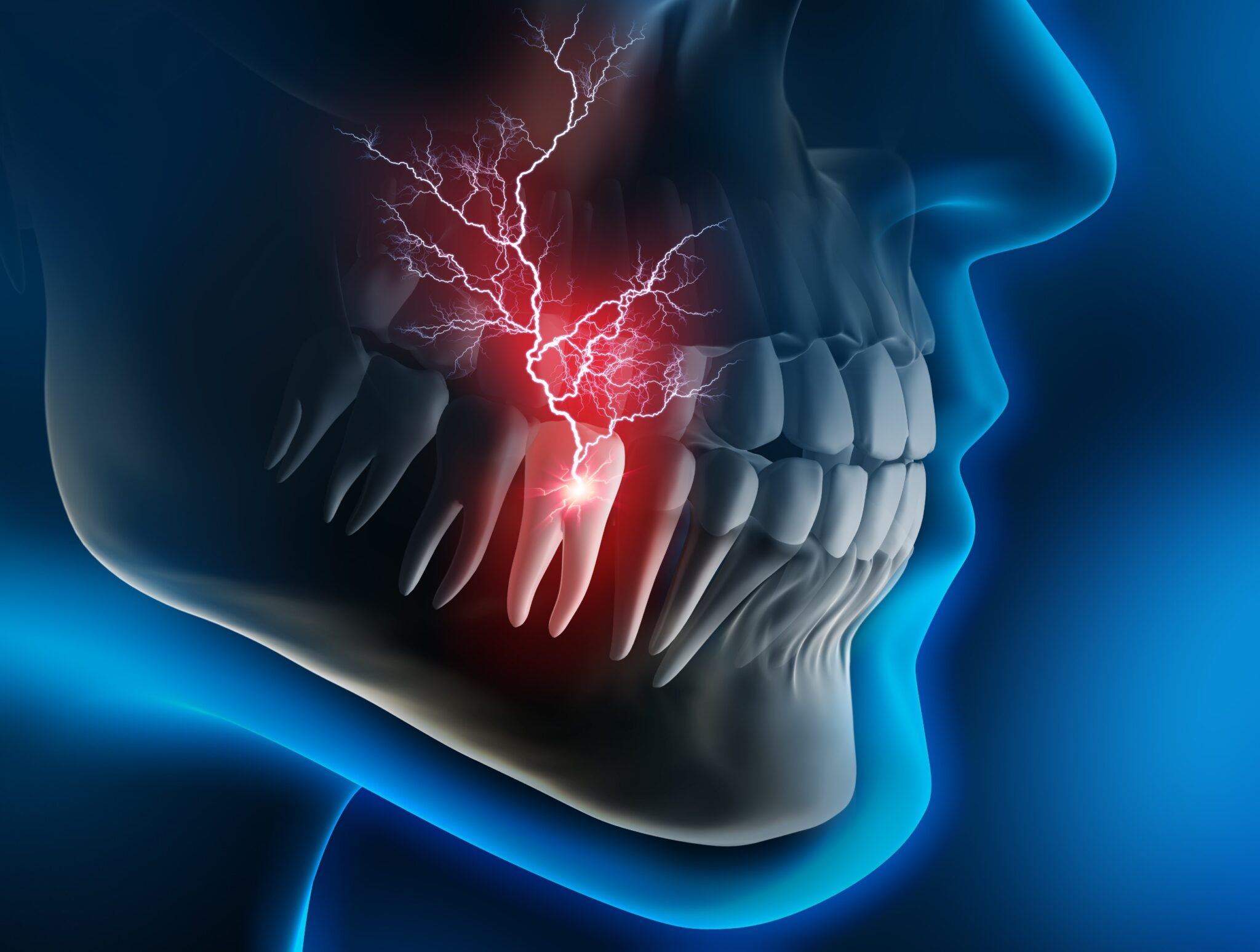
Severe tooth pain can feel overwhelming, especially when it comes from an irritated or inflamed dental nerve. Although there is no safe home method that can permanently eliminate a tooth nerve or cure its underlying cause in a few seconds, there are ways to reduce discomfort temporarily and treatments that can address the problem permanently.
Why Does Tooth Nerve Pain Happen?
Tooth nerve pain can develop when the inner pulp of a tooth becomes irritated or infected. Common causes include:
- Deep tooth decay
- Cracked or damaged teeth
- Dental trauma
- Worn or broken fillings
- Gum disease or infection
- An abscess
Pain may be sharp, throbbing, or triggered by hot, cold, sweet, or acidic foods. Persistent or worsening pain should not be ignored because the underlying problem may require professional dental treatment.
What Can Provide Temporary Relief?
While waiting for a dental appointment, some measures may help manage discomfort:
- Rinse the mouth gently with warm salt water.
- Keep the area clean by brushing and flossing carefully.
- Apply a cold compress to the outside of the cheek if there is swelling.
- Avoid foods and drinks that trigger the pain.
- Use an appropriate over-the-counter pain reliever according to its label directions, if it is safe for you to take.
Do not place aspirin or other medications directly against the tooth or gums, as this can irritate or burn the surrounding tissue.
Can Tooth Nerve Pain Be Permanently Eliminated?
Permanent relief usually requires treating the cause rather than simply trying to numb or destroy the nerve at home.
Depending on the condition of the tooth, a dentist may recommend a filling, crown, root canal treatment, or extraction. A root canal can remove infected or severely inflamed pulp while allowing the tooth to remain in place.
Antibiotics are not a general cure for toothache and are typically used when a dental infection has spread or when other clinical indications are present. The underlying dental problem still needs appropriate treatment.
When Should You See a Dentist?
Make a dental appointment as soon as possible if tooth pain is persistent, severe, recurrent, or interfering with eating or sleeping.
Seek urgent medical or dental care if tooth pain occurs with facial or jaw swelling, fever, difficulty swallowing, difficulty breathing, or significant swelling around the eye or neck. These symptoms can indicate a potentially serious infection.
Avoid “3-Second” Tooth Nerve Remedies
Online advice may promote chemicals, extreme temperatures, concentrated substances, or other methods supposedly capable of killing a tooth nerve instantly. These approaches can cause chemical burns, tissue damage, worsening infection, or permanent injury without treating the underlying dental problem.
The safest approach is to use temporary pain-relief measures while arranging professional dental care. There is no reliable, safe home technique that permanently kills a tooth nerve in three seconds.
The Bottom Line
Fast pain relief and permanent treatment are two different things. A severe toothache may temporarily improve, but that does not necessarily mean the underlying problem has disappeared. The most reliable way to achieve lasting relief is to have the affected tooth examined and treated by a qualified dental professional.