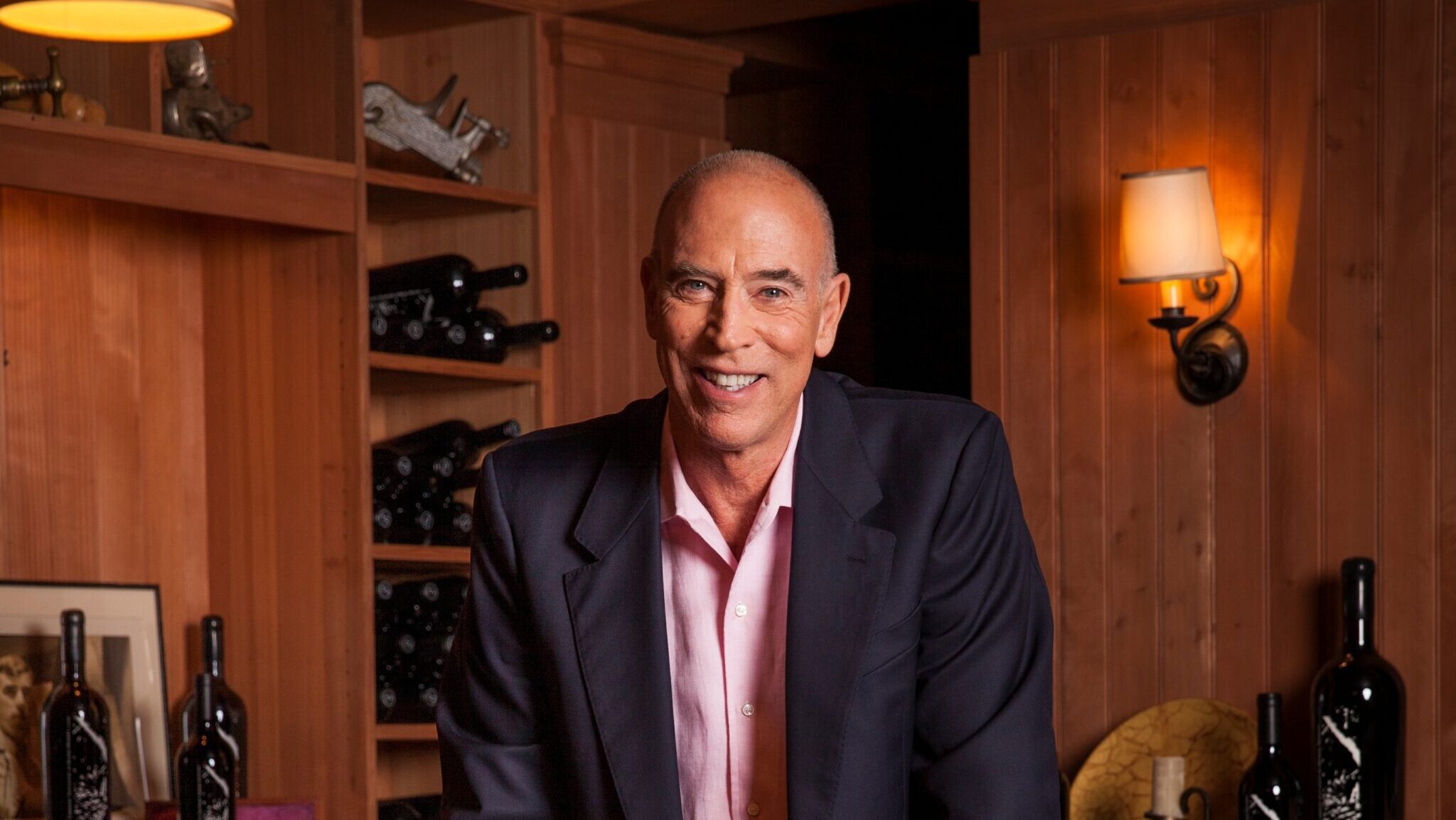
From transforming Napa Valley into a global luxury destination to reinventing the family business, Michael Mondavi reflects on six decades of entrepreneurship, the lessons of failure, and the delicate art of preserving a family legacy.
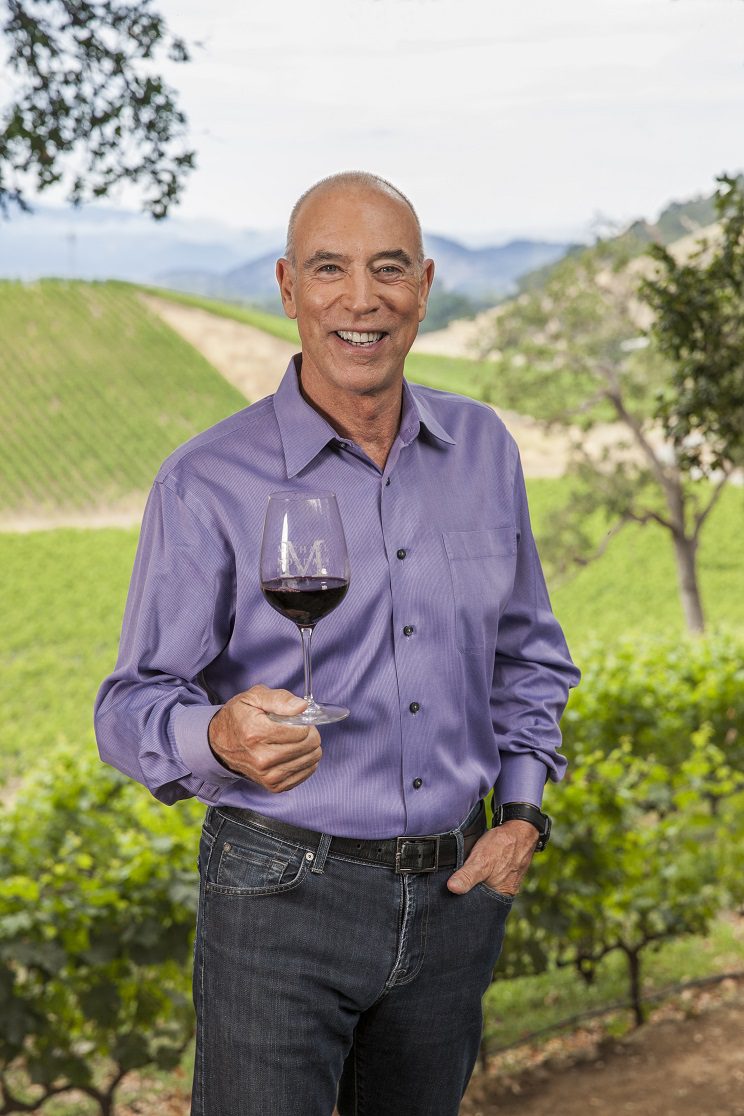
Few names in American wine carry the influence and recognition of Mondavi. For more than six decades, the family has helped shape Napa Valley’s transformation from a modest agricultural region into one of the world’s most prestigious wine destinations. Behind that remarkable ascent stands Michael Mondavi, an entrepreneur whose career has been defined as much by business innovation and strategic reinvention as by the celebrated wines bearing his family name.
As the son of legendary vintner Robert Mondavi, Michael inherited an extraordinary vision: to prove that California could produce wines capable of competing with the finest estates of Bordeaux and Burgundy. But translating that ambition into a globally recognized luxury enterprise required more than exceptional grapes and winemaking expertise. It demanded capital, distribution, branding, partnerships, and a willingness to challenge an industry still dominated by European traditions.
Now 83, Mondavi has experienced nearly every chapter of the modern American wine business, from the founding of Robert Mondavi Winery in 1966 to its eventual sale and the creation of Folio Fine Wine Partners, his family’s second entrepreneurial act.
In an exclusive interview with Impact Wealth, Mondavi reflects on the decisions that shaped his career, the complexities of building a family-controlled enterprise, and why the next generation’s definition of success may be fundamentally different from his own.

The Visionary and the Operator
Michael Mondavi’s education in entrepreneurship began long before he entered a boardroom.
Growing up at the historic Charles Krug Winery in Napa Valley, where the cellar master doubled as his childhood babysitter, he was immersed in the business from an early age.
At the time, wine was hardly Napa’s dominant industry. Prunes, walnuts, and cattle were major agricultural products, and American wine consumption lagged far behind that of Europe.
Robert Mondavi, however, saw an opportunity others had overlooked.
“My father had the vision and the understanding that we had the soil, the climate, the grape varieties in Napa to compete with the great wines of the world,” Michael recalls.
That vision would become the foundation of one of the most consequential enterprises in American wine history.
Yet the path to success was anything but conventional.
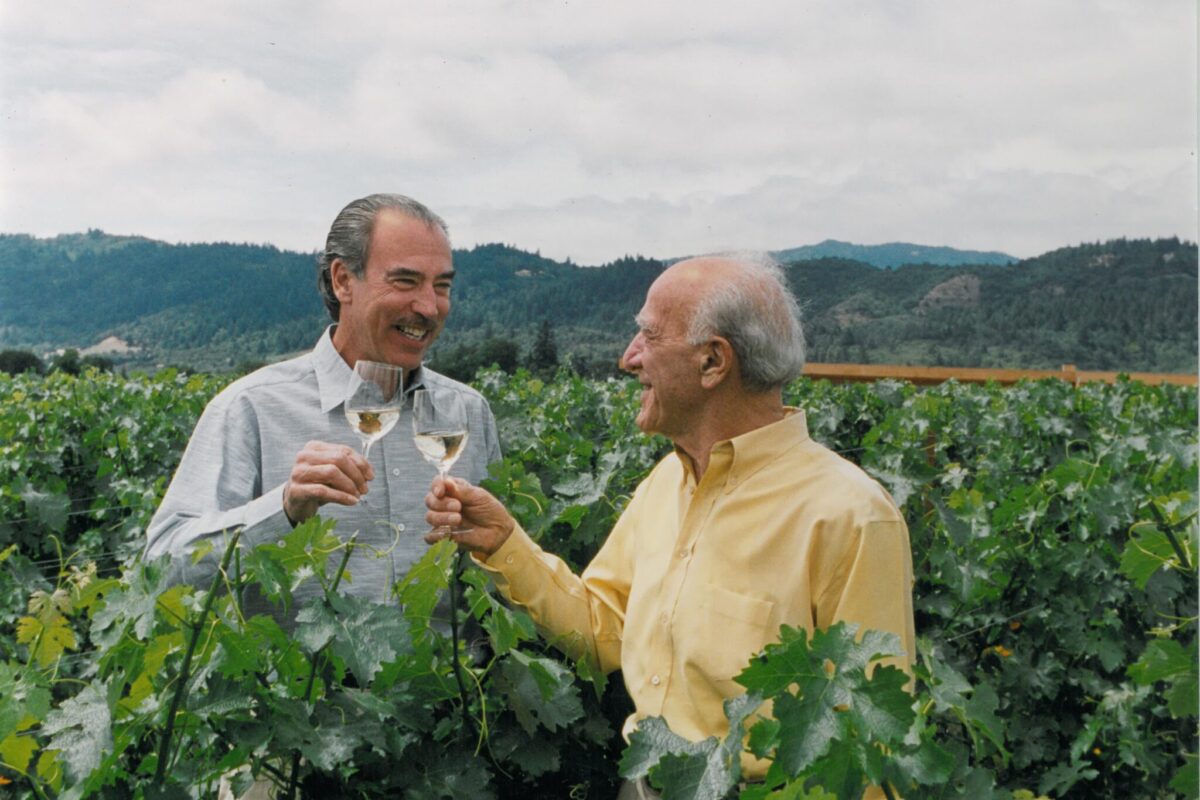
A bitter family dispute at Charles Krug forced Robert and Michael to begin again. Rather than abandon their ambitions, father and son established Robert Mondavi Winery in 1966 with borrowed capital and the backing of two grape-growing partners.
“We started the Robert Mondavi Winery with 100% debt and two grape growers who were partners and had 25% each, but we were going to conquer the world,” Mondavi recalls.
The partnership between father and son was defined by complementary strengths. Robert possessed the vision and instinct for positioning California wines on the international stage. Michael became the operational force responsible for translating those ambitions into commercial reality.
“My father was the vision, and I was the kind of get-it-done guy,” he explains.
It was a dynamic that helped propel the winery from an ambitious startup into an internationally recognized brand.
The Mondavis understood that luxury was not simply a matter of commanding higher prices. It required creating a perception of excellence, establishing credibility among sophisticated consumers, and building the infrastructure necessary to deliver that promise consistently.
Their efforts helped redefine the standing of American wine in the global marketplace, demonstrating that Napa Valley could compete with Europe’s most established wine regions.
From Family Winery to Global Luxury Enterprise
As Robert Mondavi Winery expanded, the company developed a portfolio that addressed different segments of the market.
The flagship Napa Valley wines were intended to compete with the world’s most prestigious producers, while Woodbridge offered an approachable alternative for everyday consumers.
The strategy reflected a lesson from Michael’s grandmother, who cautioned the family against producing wine exclusively for affluent customers.
“Don’t just make wine for the rich,” she advised. “Make wine that people can enjoy on a daily basis, that tastes good and doesn’t cost too much.”
The result was a business capable of serving both the premium and broader consumer markets, with distinct positioning for different occasions and price points.
The Mondavi enterprise also became associated with ambitious international collaborations, including Opus One, the landmark partnership with Baron Philippe de Rothschild of Bordeaux. Such ventures helped establish Napa Valley as a serious participant in the global luxury wine economy.
Michael’s career at Robert Mondavi Winery eventually encompassed leadership roles across winemaking, sales, executive management, and corporate governance. Following the company’s public offering in 1994, he served as president and CEO and later as chairman. The business was acquired by Constellation Brands in 2004 in a transaction valued at approximately $1.36 billion.
For many entrepreneurs, such an exit would represent the culmination of a lifetime’s work. For Mondavi, it marked the beginning of a new chapter.
Reinvention: The Folio Fine Wine Partners Model
After the sale of Robert Mondavi Winery, Mondavi confronted a fundamental question: How could he apply decades of experience to build a different kind of wine enterprise?
His answer came from observing structural changes in the industry.
Retailers, restaurant groups, and distributors were consolidating, making it increasingly difficult for smaller family-owned wineries to navigate the American marketplace.
“The logistics and the compliance are onerous,” he explains.
At Robert Mondavi Winery, he had employed multiple people dedicated to regulatory compliance and distribution logistics. He recognized that independent producers, regardless of the quality of their wines, often lacked the resources to manage those complexities effectively.
His solution was to create a platform that could provide smaller wineries with the commercial capabilities of a much larger organization while allowing them to retain their identities and independence.
“What if we were a central market for family-owned wineries from the best wine-growing regions around the world, and handled the logistics, the compliance, the public relations, and the sales for these family wineries?” he recalls asking.
That concept became Folio Fine Wine Partners, established in 2004.
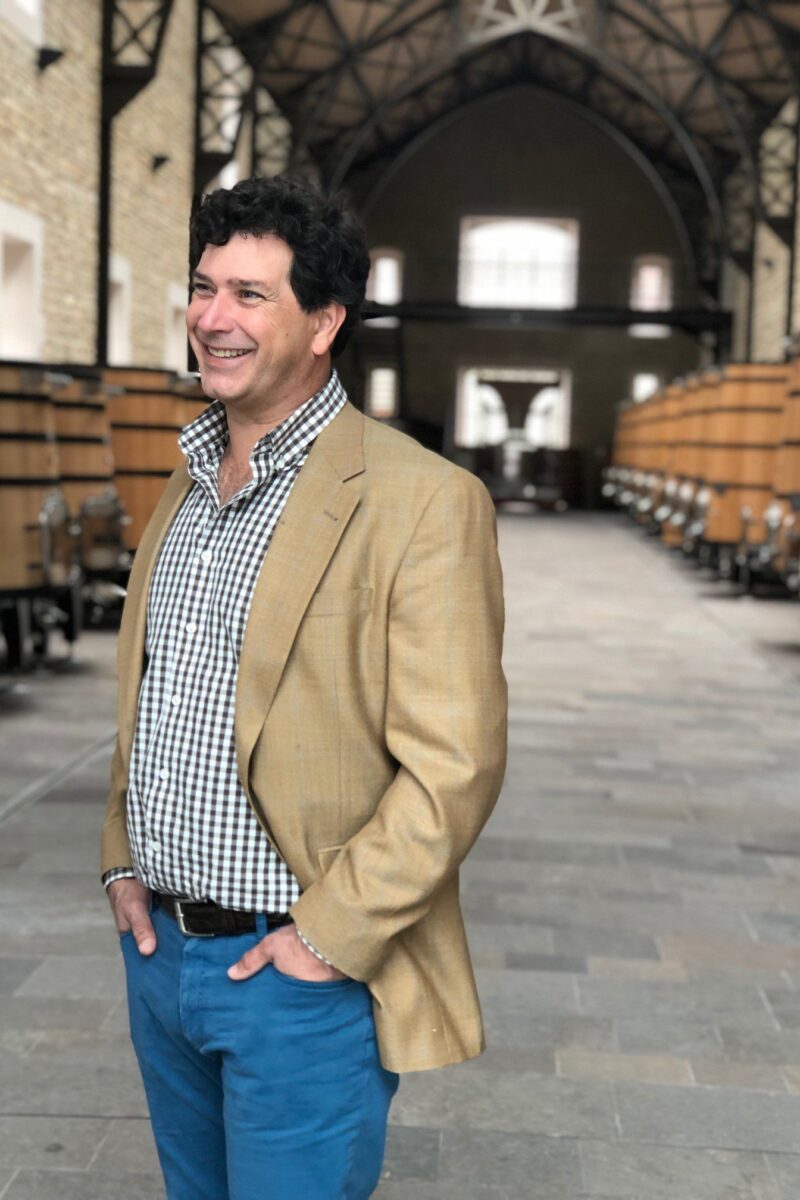
Inspired by the guilds of earlier centuries, Folio operates as a commercial partner to family-owned wineries, providing access to distribution networks, marketing expertise, and the operational infrastructure required to compete in the United States.
The model allows producers to concentrate on their craft while benefiting from the scale and expertise of an established organization.
For Mondavi, the business reflects a conviction developed over decades: Exceptional wines are often produced by independent families with a personal commitment to their vineyards and reputations.
The approach also offers a broader lesson in entrepreneurship. Rather than attempting to recreate the size and complexity of his former company, Mondavi identified a specific inefficiency in the market and built a business designed to address it.
Why Bigger Is Not Always Better
Perhaps the most striking evolution in Mondavi’s business philosophy concerns growth.
During his years at Robert Mondavi Winery, expansion was an essential part of the family’s ambition. The objective was to establish California wine as a global force, requiring significant investment, relentless travel, and a growing corporate organization.
But that success came at a personal cost.
“In the final 10 years at Robert Mondavi, I was probably on the road 200 days a year,” he recalls.
“I was the slave of the business.”
Today, his children approach entrepreneurship with a different set of priorities.
When the family established Folio, they were adamant that the new company should not repeat the growth-at-all-costs mentality of the past.
“My son and daughter together said, ‘We love this, but we don’t want to be big again. We want to stay small. We want to be able to know most of our consumers, and we want to have fun and not be slaves of the business.'”
For Mondavi, the lesson is not that growth should be avoided, but that expansion must serve a clearly defined purpose.
“Growth for the sake of growth is evil. Growth to accomplish a strategic objective is good and necessary.”
He explains that the next generation envisions measured expansion, potentially growing the business by approximately 50 percent over a decade rather than pursuing rapid increases in scale.
The distinction is significant for family offices and multigenerational business owners, many of whom face the challenge of balancing wealth creation with lifestyle, family cohesion, and long-term stewardship.
“Where my father and I did not have balance in our career versus our life, it was 90% career, 10% life,” Mondavi reflects.
He believes his children have developed a healthier relationship with entrepreneurship, preserving the excitement and intellectual stimulation of business ownership without allowing it to consume their lives.
Navigating the Next Generation
For families seeking to preserve an enterprise across generations, succession can be as challenging as building the original business.
Mondavi has witnessed firsthand how ambition, emotional attachment, and differing visions can create tension within family-controlled organizations.
His approach to the next generation begins with a deceptively simple principle: participation should be a choice rather than an obligation.
“Give them the opportunity to say yes or no,” he advises. “Trying to force feed them does not work.”
His children, Rob Mondavi Jr. and Dina Mondavi, have chosen to remain involved in the family’s wine enterprises, helping shape a business that reflects their own values and aspirations.
The family’s younger generation is also developing an early connection to its heritage.
Mondavi’s two grandsons, ages 10 and 15, participate in the annual grape harvest, experiencing the vineyards and winemaking process firsthand.
He recalls how his younger grandson created a slush from freshly pressed Cabernet Sauvignon grape juice, inspiring the brothers to consider developing a premium grape juice offering for children during harvest season.
The anecdote illustrates an important distinction in Mondavi’s philosophy of succession: preserving a legacy does not necessarily mean repeating the past.
It means creating an environment where younger family members can develop their own interests, experiment with new ideas, and discover opportunities that previous generations may never have considered.
Mondavi also serves on the board of another family-owned winery, where part of his role involves helping third- and fourth-generation family members navigate the emotional complexities of ownership and leadership.
He emphasizes the importance of ensuring that individual family members are heard and that experienced outside perspectives contribute to decision-making.
For wealthy families navigating succession, the underlying principle is clear: preserving family capital requires more than financial management. It also demands communication, governance, and a shared understanding of what the enterprise is ultimately intended to accomplish.
The Changing Economics of Fine Wine
Despite his optimism about the long-term future of wine, Mondavi acknowledges that the industry is experiencing a challenging period.
Consumer preferences are evolving, younger generations are drinking less, and producers face an increasingly crowded marketplace.
Yet Mondavi views the current downturn through the perspective of six decades in the business.
“In that 60 years, this is the fourth cycle I’ve seen in a downturn,” he says.
What makes the present environment different, he believes, is the combination of changing social habits, the lingering effects of the pandemic, and an extraordinary proliferation of wine labels.
He recalls a time when Napa Valley had only a handful of wineries with their own labels. Today, consumers encounter thousands of competing brands, creating an increasingly complicated purchasing experience.
“I believe that we, the wine industry, with thousands of new wine labels in the last 10 years, are confusing the customer,” he explains.
For producers, the challenge extends beyond maintaining quality. They must also communicate a clear identity and offer consumers a compelling reason to choose their wines.
Mondavi believes technology, including artificial intelligence, could help simplify the discovery process.
“I think AI will help take the mystery out of wine and keep the magic.”
His observation underscores a larger challenge facing luxury businesses: how to preserve exclusivity and craftsmanship while making products accessible and relevant to new generations.
Is Fine Wine Really an Investment?
As fine wine has gained recognition among collectors and alternative-asset investors, rare bottles have increasingly been discussed alongside art, watches, and other luxury collectibles.
Yet Mondavi approaches the investment narrative with skepticism.
“From an investment standpoint, unless you’re going to be a wine merchant, I question people who say they’re buying it for an investment,” he says.
His concern is that collectors may focus excessively on anticipated price appreciation while overlooking the essential purpose of wine: enjoyment.
He is particularly critical of powerful, highly concentrated wines produced primarily to achieve prestigious critical ratings rather than complement food.
For Mondavi, a wine’s reputation and market value should not be confused with its ability to deliver a memorable drinking experience.
His perspective offers a useful counterpoint to the growing financialization of luxury collectibles.
Unlike traditional financial assets, fine wine carries storage costs, provenance considerations, market liquidity constraints, and the possibility that changing consumer tastes may influence future demand.
For collectors, Mondavi’s philosophy suggests that personal enjoyment should remain an important component of any acquisition decision, particularly when future appreciation is uncertain.
Deals, Drama, Drive: The Story Behind the Dynasty
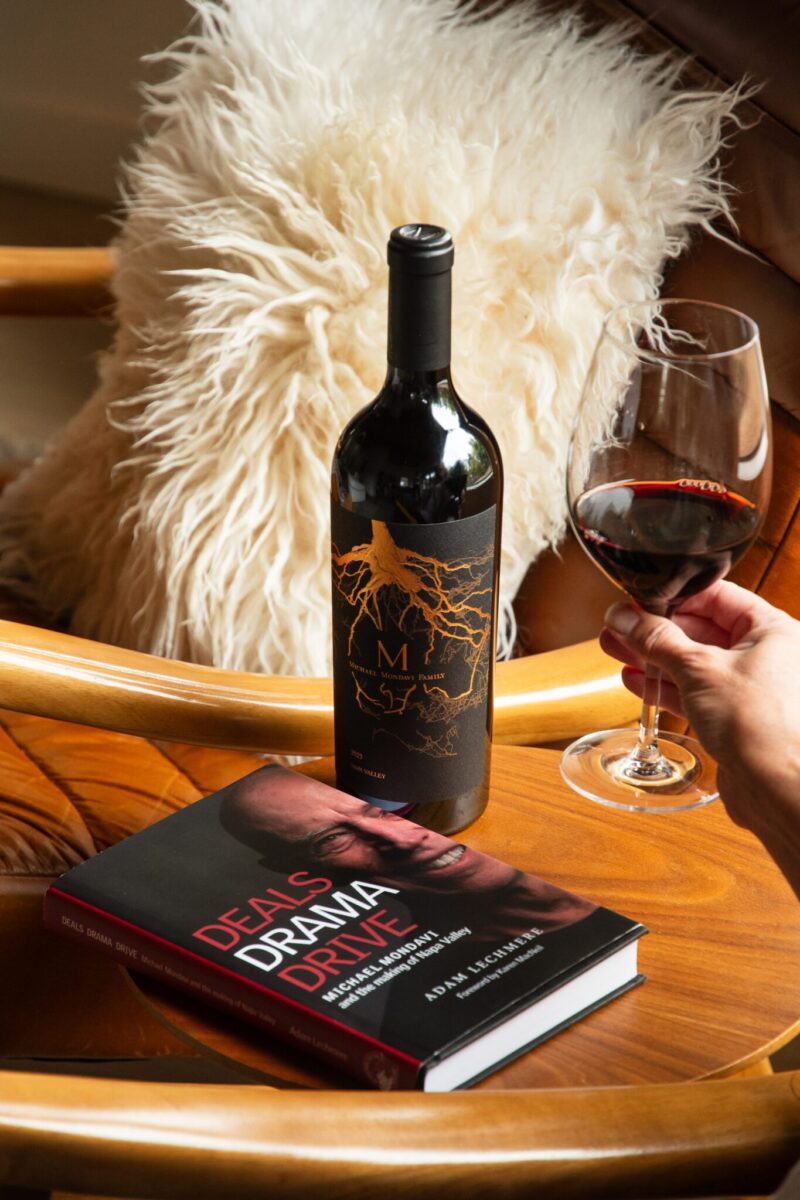
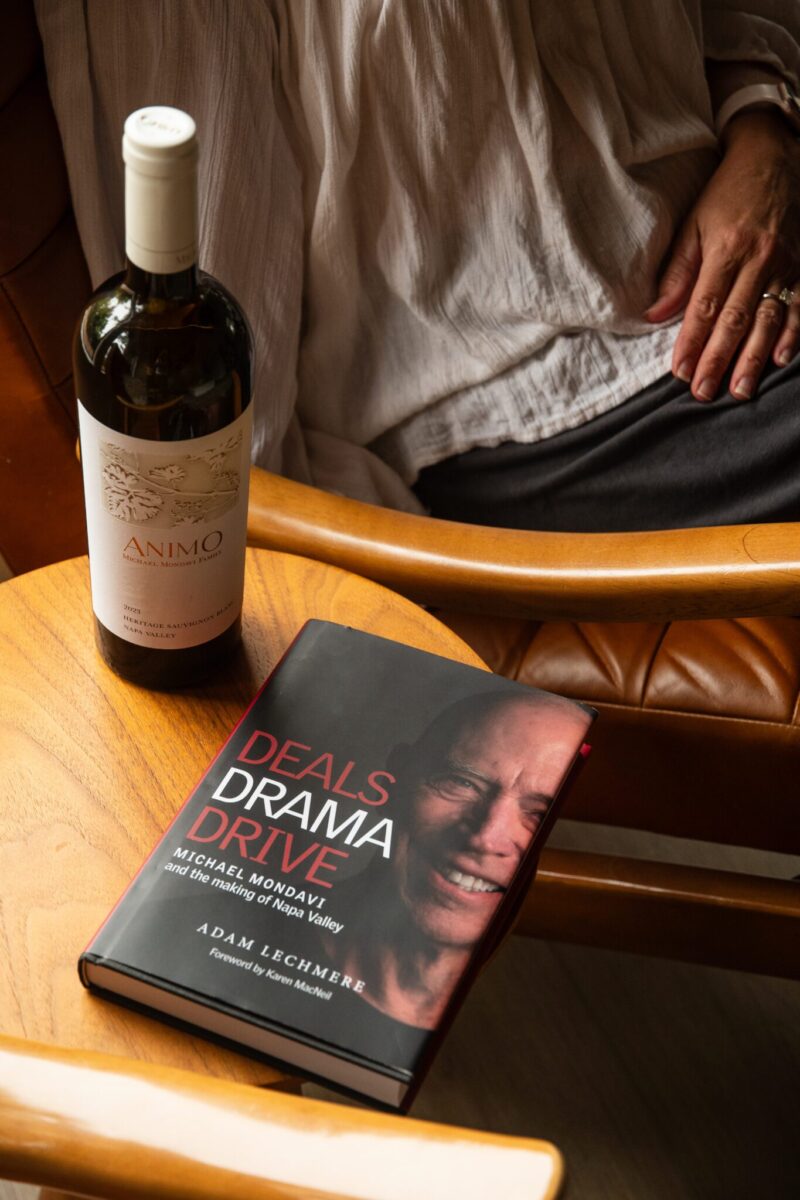
Mondavi’s reflections on entrepreneurship, family relationships, and the lessons of failure are explored in a new biography, Deals, Drama, Drive: Michael Mondavi and the Making of Napa Valley, written by wine journalist Adam Lechmere and published by Académie du Vin Library.
The book chronicles the pivotal decisions and personal relationships that shaped his career, from the family conflict that led to the founding of Robert Mondavi Winery to the international partnerships, ambitious expansions, and difficult decisions that followed.
Unlike traditional corporate success stories, Mondavi wanted the book to address the setbacks as openly as the triumphs.
“It’s more than just a biography about a wine guy,” he explains. “It’s really kind of some business do’s and don’ts.”
He emphasizes that the book examines three significant failures from his career, arguing that mistakes often provide more valuable lessons than victories.
“You don’t learn that much from a success, but you should learn a lot from the failures.”
The biography also explores the complex relationship between Michael and his father, whose complementary talents helped build an internationally recognized enterprise but whose ambitions also placed considerable demands on family life.
In recounting their partnership, Mondavi readily acknowledges that neither could have achieved the same outcome alone.
His father supplied the extraordinary vision; Michael supplied the execution.
It is a reminder that behind even the most recognizable family names are individuals with different strengths, personalities, and perspectives whose ability to collaborate can ultimately determine the success of an enterprise.
The True Measure of a Family Legacy
For Michael Mondavi, the meaning of success has evolved considerably since he and his father set out to challenge the world’s great wine producers.
What began as a quest to establish Napa Valley’s credibility on the international stage has become a broader commitment to preserving craftsmanship, supporting independent producers, and ensuring that the next generation can build a business on its own terms.
His career illustrates the opportunities and vulnerabilities inherent in family-controlled enterprises: the power of a shared vision, the complexity of succession, the dangers of unchecked expansion, and the resilience required to begin again.
It also challenges the assumption that every successful family business must continually pursue greater scale.
After helping build one of America’s most recognizable wine companies, Mondavi now finds satisfaction in a more deliberately focused enterprise, one that prioritizes relationships, quality, and long-term sustainability.
For family offices and entrepreneurs navigating the transition from wealth creation to wealth preservation, his experience offers a compelling perspective.
A lasting legacy is not measured solely by revenue, valuation, or the size of an organization. It is also measured by whether the next generation possesses the freedom, judgment, and enthusiasm to carry that legacy forward.
And perhaps that is Michael Mondavi’s most enduring contribution: demonstrating that the true art of building a dynasty lies not simply in creating something extraordinary, but in knowing how to let it evolve.
About the Book
Deals, Drama, Drive: Michael Mondavi and the Making of Napa Valley by Adam Lechmere explores the personal and commercial decisions behind six decades of American wine history.
Published by Académie du Vin Library.
Learn More: Michael Mondavi Family Estate | Folio Fine Wine Partners