Upgrading your bicycle often starts with the small components that make the biggest difference to your comfort. Selecting high-quality tyres is the most cost-effective way to improve your bike’s handling and safety across various weather conditions. This blog post explores the simple yet essential features to identify when you are selecting the right high-performance tyres for your next cycling trip.
Look for High Thread Count Casings
The casing is the fabric structure under the rubber that gives the tyre shape and overall flexibility. You should be asking for threads per inch of the casing that should be high; your bicycle is going to be tighter. Always remember that a flexible casing allows the tyre to deform around small bumps on the road, which reduces rolling resistance and keeps your momentum going forward with less physical effort.
Evaluate the Quality of the Rubber Compound
With a mixture of materials in the outer layer of the tyre, the bike can grip the surface when cornering at high speed. Two or three compounds will work, and these can incorporate softer rubber on the sides for good corner handling and a harder rubber for longevity. Also, premium compounds are made to remain sticky when they go on wet roads, so at least it is safe to still use your bike when the weather strikes.
Identify the Best Tread Pattern for Your Terrain
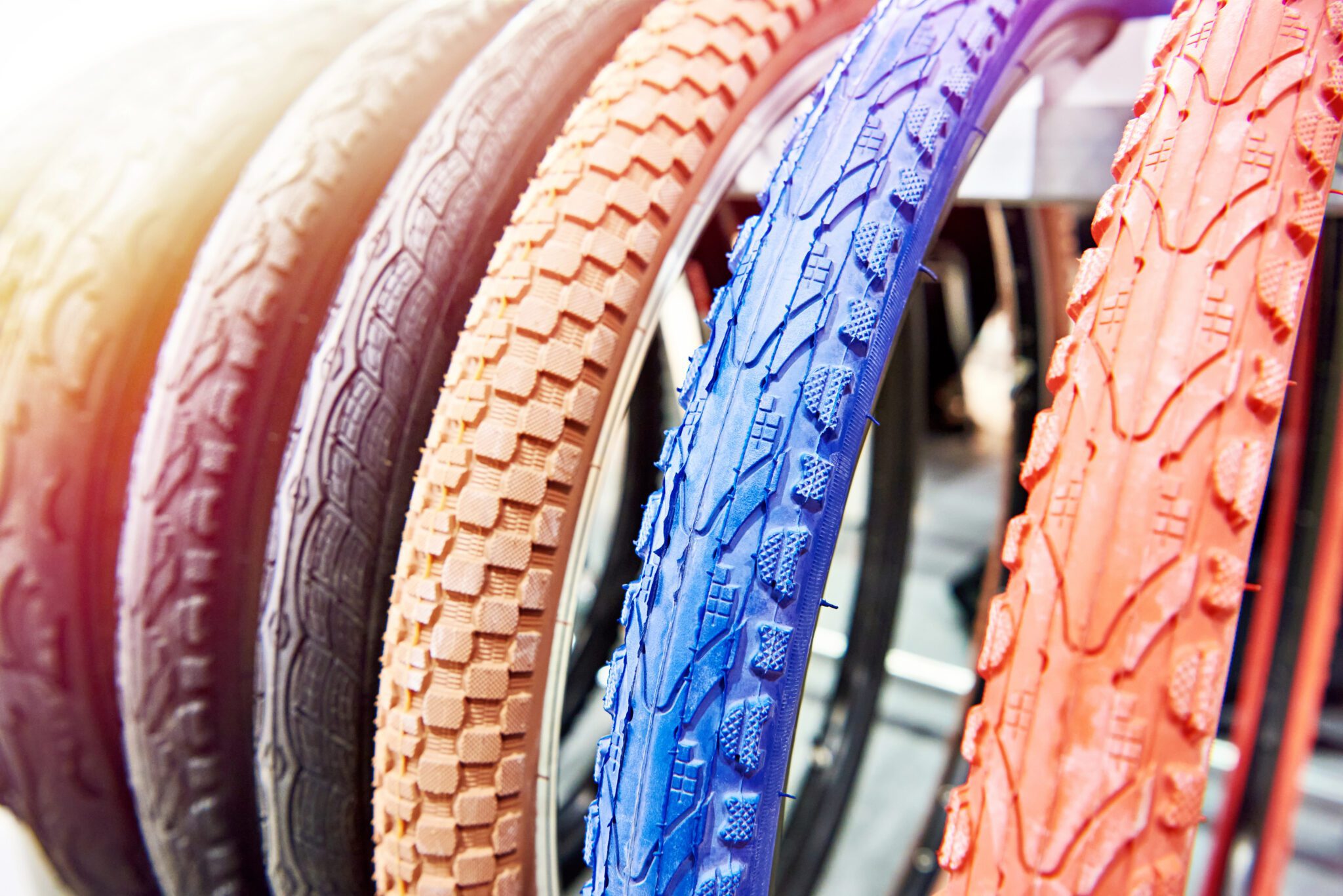
Pick a slick or minimally textured pattern if you spend most of your time on paved paths, as this reduces friction. On the other hand, if you enjoy exploring off-road trails, you must look for deeper lugs that bite into the dirt to prevent your wheels from slipping during steep climbs. Selecting a tread that matches your favourite riding environment ensures that you get the most out of your equipment and your energy.
Check for Advanced Puncture Protection Layers
Bike tyres include a thin but strong layer of material, hidden inside the structure, to stop sharp objects from reaching the inner tube. Seek out tyres that offer this protection without making the rubber feel stiff or heavy, as this maintains the speed of the bike while reducing the risk of a flat. Having this extra security means you can spend less time on the side of the road fixing a tyre in the middle of a ride.
Consider the Benefits of Tubeless Compatibility
Many modern high-performance tyres are designed to be used, which allows you to run lower air pressures for better grip. Verify that the beads of the tyre are shaped to lock onto your rims to create an airtight seal that holds during fast descents. Using a tubeless system with a liquid sealant can plug small holes while you are moving, meaning you never notice that you ran over a thorn or a piece of glass.
Assess the Aerodynamic Profile and Width
The shape of your tyre where it meets the rim can change how the wind moves around your wheels. Look for a rounded profile that creates a smooth transition from the rubber to the metal, as you maintain your velocity with less work. Modern research shows that wider tyres can be more comfortable because they allow for a larger contact patch without increasing the friction against the road.
Verify the Weight and Rolling Resistance
Every gramme of weight on your wheels is something you have to accelerate and pull up hills. Compare the weights of different models and look for those that offer low rolling resistance, which is the measure of how much energy is lost as the tyre rolls along. A tyre that rolls easily allows you to travel faster while using less of your own physical stamina, making your long weekend rides much more enjoyable.
Achieving a Superior Cycling Experience
Identifying these high-performance features ensures that your bike is equipped with the best possible tools to handle the speed and the terrain of your chosen path. Your tyres are the only part of your bicycle that actually touches the ground, so investing in quality rubber improves your handling. With the right set of tyres, you are ready to hit the road or the trail with a newfound sense of freedom.