Consumer Shield reports that in 2024, there were around 6.18 million car accidents. In some cases, you’re lucky to have a drivable yet damaged vehicle. In others, the crash is so bad that the car is no longer usable.
Either way, you might have a vehicle on your hands that’s not worth keeping, and you’re considering buying a new car. But before you do so, determine the value of the old car so you know how much money you’re working with. Here are the steps to do so.
Evaluate the Overall Condition of the Vehicle
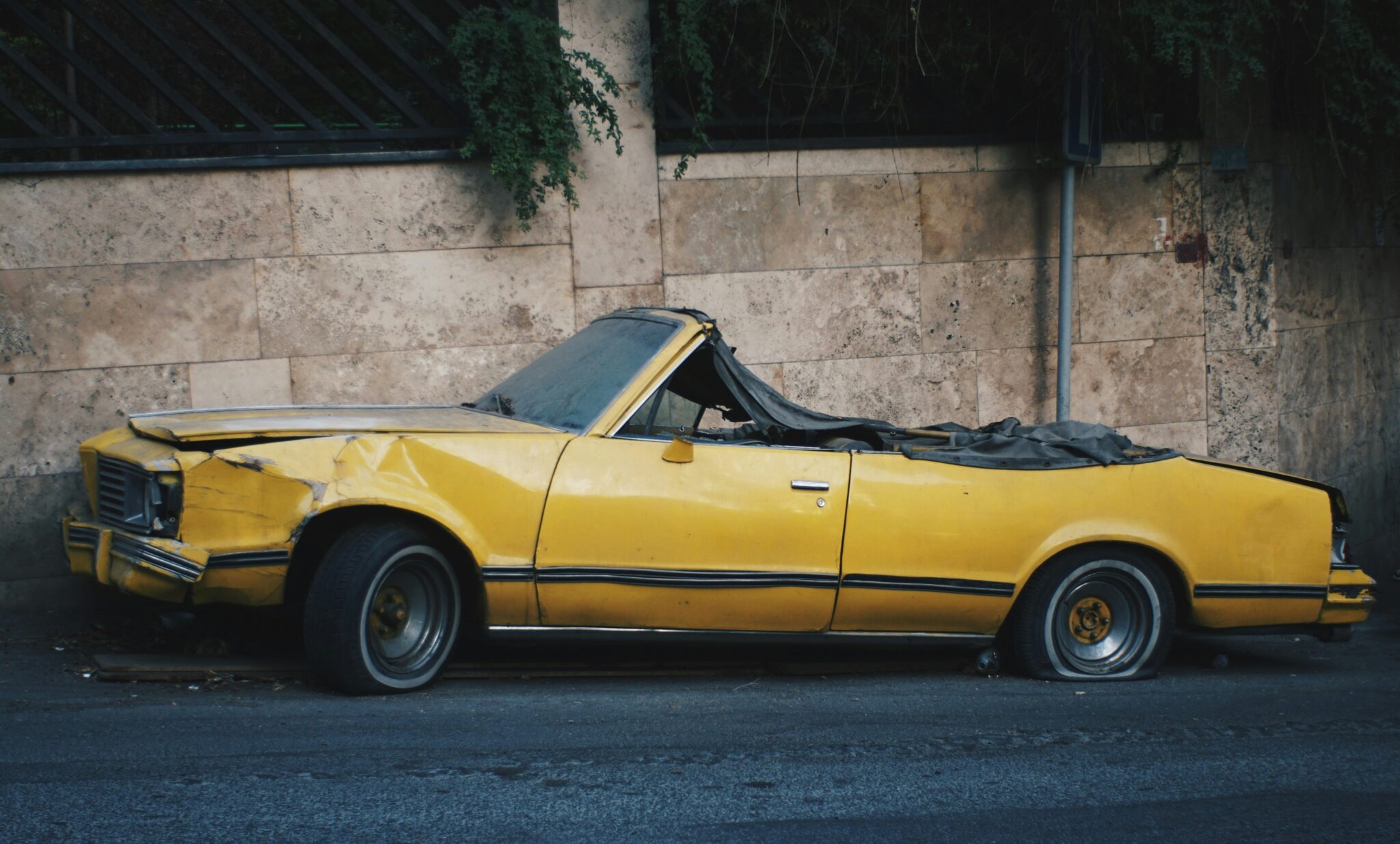
Start by taking a look at the vehicle’s physical and mechanical condition. Even if it’s non-running, the following factors can impact value:
- Body damage
- Rust
- Interior wear
- Missing components
Also, take note of whether the engine or transmission is completely failed or potentially repairable. This can significantly change what buyers are willing to pay.
On the other hand, cosmetic issues matter less for scrap buyers. However, they can still influence resale value for parts.
Make sure you’re honest and thorough in your assessment. If you overestimate the condition of your vehicle, then it can lead to unrealistic expectations.
Taking photos and documenting damage can help when comparing offers or listing the vehicle for sale, so consider doing this at this stage.
Check the Title Status and Legal Standing
The title status also plays a major role in determining the value of your car. Generally speaking, a clean title will result in higher offers, even for non-running cars. This is because it allows for easier resale or rebuilding.
How salvage titles affect value (and rebuilt titles) is that it lowers it. There’s perceived risk and limitations on insurance and registration.
If your vehicle has a junk title or no title at all, then it may only be eligible for scrap or parts sales.
Before selling, you should also verify whether there are any liens or legal restrictions attached to your car. These can complicate or delay a sale and reduce buyer interest.
Research Demand for Parts and Components
Just because you have a non-running vehicle doesn’t necessarily mean you have something worthless. In fact, it can still hold significant value if its parts are in demand. Popular makes and models (especially those with interchangeable or hard-to-find components) often sell well in the used parts market since people like to customize their cars.
The following parts can be valuable individually:
- Engines
- Transmissions
- Catalytic converters
- Electronics
- Body panels
So research online marketplaces or salvage yard pricing to see what similar parts sell for.
Analyze Current Market Trends and Scrap Prices
Market conditions can fluctuate and directly impact what your vehicle is worth. For example, scrap metal prices can vary based on global demand for steel and other materials. Also, used car shortages or high demand for specific models can increase the value of even non-operational vehicles.
To gauge current pricing trends, check:
- Local listings
- Scrap yard rates
- Online marketplaces
Time your sale when demand is higher to get better offers.
Compare Repair Costs vs. Potential Value
To make a smart decision, weigh the cost of repairing the vehicle against its potential resale value once fixed. To do this, get estimates for major repairs, like:
- Engine replacement
- Transmission work
- Electrical issues
Compare that total to the market value of a similar and fully operational car. If the repair costs exceed or come close to the car’s worth, then selling it as-is or scrapping it may be the better option.
Get the Most Out of Your Vehicle
Just because your car isn’t in the best shape doesn’t mean you can’t get some money out of it. By using the above information to estimate its value, you can determine the best path forward to maximize profits.
Keep reading our pages for more informative posts.