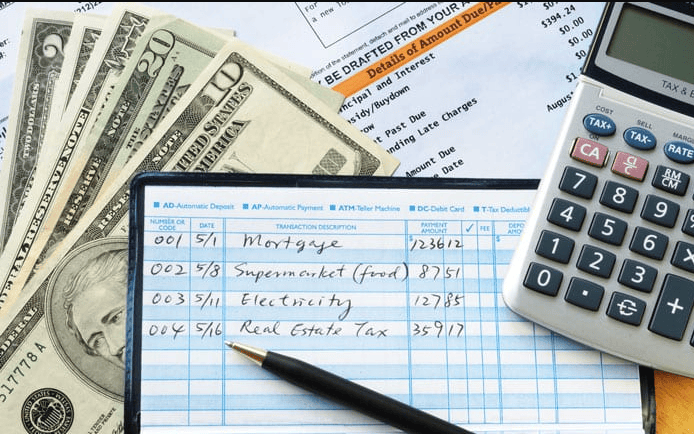
Managing money can feel overwhelming, especially if you are just starting to take control of your finances. Without a clear plan, it is easy to overspend, miss important payments, or struggle to save for future goals.
Creating a monthly budget is one of the best ways to understand where your money goes and make smarter financial decisions. A budget helps you organize your income, control expenses, reduce financial stress, and work toward your goals.
Learning how to create a monthly budget for beginners does not require advanced financial knowledge. With a few simple steps, anyone can build a practical budget that fits their lifestyle.
What Is a Monthly Budget?
A monthly budget is a plan that shows how much money you earn and how you will spend it during a month.
It helps you track:
- Income
- Fixed expenses
- Variable expenses
- Savings
- Debt payments
- Personal spending
Instead of wondering where your money went, a budget gives you a clear picture of your financial situation.
Why Is Creating a Monthly Budget Important?
A budget provides several benefits.
1. Helps Control Spending
A budget shows areas where you may be spending more than necessary.
You can identify:
- Unnecessary subscriptions
- Frequent impulse purchases
- High entertainment costs
- Overspending on food or shopping
2. Helps You Save Money
When you plan your spending, you can set aside money for:
- Emergency savings
- Future purchases
- Investments
- Personal goals
3. Reduces Financial Stress
Knowing exactly what you can afford creates more confidence and control.
4. Helps Achieve Financial Goals
Whether your goal is paying off debt, buying a home, or building savings, a budget helps create a path forward.
Step 1: Calculate Your Monthly Income
The first step in creating a budget is knowing how much money comes in each month.
Include all reliable sources of income, such as:
- Salary
- Freelance earnings
- Business income
- Side jobs
- Regular financial support
Use your after-tax income, which is the amount you actually receive.
For example:
Monthly income:
- Main job: $3,000
- Side income: $300
Total monthly income: $3,300
Having an accurate income number makes your budget more realistic.
Step 2: List Your Fixed Expenses
Fixed expenses are costs that usually remain the same each month.
Common examples include:
- Rent or mortgage
- Car payment
- Insurance
- Internet bills
- Phone bills
- Loan payments
Write down each expense and its monthly cost.
Example:
- Rent: $1,000
- Car payment: $300
- Insurance: $150
- Internet: $50
Total fixed expenses: $1,500
Step 3: Track Your Variable Expenses
Variable expenses change from month to month.
Examples include:
- Groceries
- Transportation
- Entertainment
- Clothing
- Dining out
- Personal care
Many beginners underestimate these expenses, so tracking your spending for a few weeks can provide useful information.
Small purchases can add up quickly.
Step 4: Set Financial Goals
A good budget should include your financial goals.
Examples:
Short-Term Goals
- Saving for a vacation
- Buying a new device
- Building emergency savings
Long-Term Goals
- Retirement planning
- Buying a house
- Paying off major debt
Assign a specific amount toward your goals each month.
Even small contributions can make a difference over time.
Step 5: Choose a Budgeting Method
There are different budgeting methods. Choose one that fits your lifestyle.
The 50/30/20 Budget Rule
This popular method divides income into three categories:
50% Needs
Essential expenses such as:
- Housing
- Food
- Transportation
- Utilities
30% Wants
Non-essential spending such as:
- Entertainment
- Hobbies
- Shopping
- Travel
20% Savings and Debt Repayment
Includes:
- Emergency funds
- Investments
- Extra debt payments
This method provides a simple starting point for beginners.
Step 6: Create Your Monthly Budget Plan
Now combine your income and expenses.
Example:
Monthly income: $3,300
Expenses:
- Housing: $1,000
- Food: $400
- Transportation: $300
- Insurance: $150
- Entertainment: $200
- Savings: $500
- Other expenses: $350
Total expenses: $2,900
Remaining money: $400
A budget should give every dollar a purpose.
Step 7: Build an Emergency Fund
An emergency fund protects you from unexpected expenses.
Examples:
- Medical bills
- Car repairs
- Job changes
- Home repairs
Beginners can start with a small goal, such as saving $500 or $1,000.
Over time, many people aim to build several months of essential expenses.
Step 8: Reduce Unnecessary Expenses
Review your spending and look for areas where you can save.
Possible changes:
- Cancel unused subscriptions
- Cook more meals at home
- Compare insurance rates
- Reduce impulse purchases
- Use discounts and rewards
Small changes can create meaningful savings.
Step 9: Track Your Spending Regularly
Creating a budget is only the beginning. You also need to monitor it.
Review your budget:
- Weekly
- Every two weeks
- Monthly
Tracking helps you notice problems early and make adjustments.
You can use:
- Budget apps
- Spreadsheets
- Notes on your phone
- Banking tools
Choose a method you will actually use.
Step 10: Adjust Your Budget When Life Changes
A budget is not permanent.
Your financial situation may change because of:
- New income
- Moving expenses
- Family changes
- Career changes
- New financial goals
Update your budget whenever your circumstances change.
Flexibility makes budgeting easier to maintain.
Common Budgeting Mistakes Beginners Make
Avoid these common problems:
1. Making an Unrealistic Budget
A budget that is too strict is difficult to follow.
Create a plan that allows some flexibility.
2. Forgetting Small Expenses
Small purchases can affect your monthly finances.
Remember expenses like:
- Coffee
- Apps
- Snacks
- Small online purchases
3. Not Planning for Fun
A budget should include some enjoyment.
Completely removing personal spending often leads to frustration.
4. Giving Up After One Bad Month
Financial improvement takes time.
If you overspend, review what happened and adjust your plan.
Helpful Budgeting Tips for Beginners
Follow these simple habits:
- Pay yourself first by saving early
- Automate savings when possible
- Avoid unnecessary debt
- Review expenses regularly
- Set realistic goals
- Celebrate financial progress
Consistency is more important than perfection.
Final Thoughts
Learning how to create a monthly budget for beginners is an important step toward financial confidence and better money management. A budget helps you understand your spending, prioritize your goals, and make informed decisions about your money.
Start with simple steps: calculate your income, track expenses, set goals, and create a realistic spending plan. Over time, budgeting can become a natural habit that helps you save more, reduce stress, and build a stronger financial future.
A successful budget is not about restricting yourself—it is about giving your money a clear purpose.