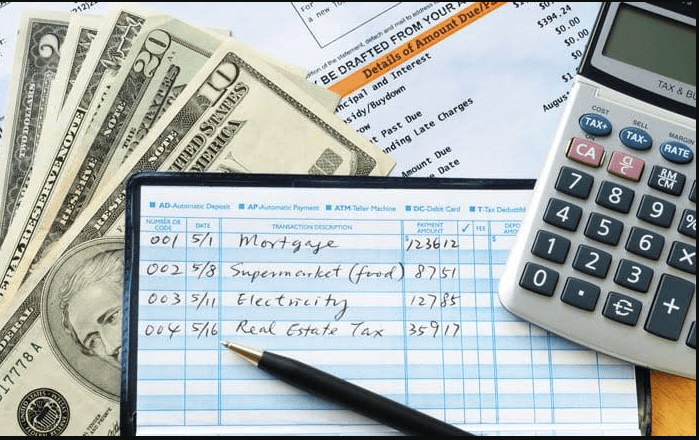
Learning how to budget your salary effectively can make a major difference in your financial life. Whether you earn a modest income or a high salary, having a clear plan for your money can help you pay bills on time, avoid unnecessary debt, build savings, and work toward important financial goals.
Many people struggle with money not necessarily because they earn too little, but because they do not have a clear system for managing what they earn. A practical budget gives every part of your salary a purpose.
The good news is that budgeting does not have to be complicated. With a few simple steps, you can create a realistic monthly budget that works for your lifestyle.
1. Know Your Exact Monthly Income
The first step is to determine how much money you actually receive each month.
Use your take-home salary rather than your gross salary. Your take-home amount is what remains after taxes, pension contributions, or other deductions.
If your income changes from month to month, calculate an average based on your recent earnings.
For people with freelance, commission-based, or irregular income, it can be safer to create your regular budget around a conservative estimate rather than your highest earning month.
2. List All Your Monthly Expenses
Before deciding how much you should spend, understand where your money currently goes.
Write down expenses such as:
- Rent or mortgage
- Electricity
- Gas
- Water
- Internet
- Mobile phone
- Groceries
- Transportation
- School expenses
- Insurance
- Loan payments
- Entertainment
- Shopping
- Subscriptions
- Savings
Do not ignore small expenses. A few inexpensive purchases may seem insignificant, but they can add up considerably over an entire month.
3. Separate Needs From Wants
One of the most important budgeting skills is learning the difference between needs and wants.
Needs
These are expenses required for everyday living, such as:
- Housing
- Food
- Utilities
- Basic transportation
- Healthcare
- Essential education
- Minimum debt payments
Wants
These are expenses that improve your lifestyle but are not essential, such as:
- Restaurant meals
- Entertainment
- Expensive clothing
- Premium subscriptions
- Frequent shopping
- Luxury purchases
You do not have to eliminate wants completely. Instead, make sure they fit comfortably into your budget.
4. Try the 50/30/20 Rule
The 50/30/20 budgeting method is a simple starting point.
It divides your take-home income approximately as follows:
50% — Needs
Use this for essential expenses such as housing, food, utilities, and transportation.
30% — Wants
This category can include entertainment, hobbies, dining out, shopping, and other non-essential spending.
20% — Savings and Debt Repayment
Use this portion for savings, emergency funds, investments, or paying down debt.
This is not a strict rule. Your actual percentages may need to be different depending on your salary, housing costs, family responsibilities, and financial goals.
5. Create an Emergency Fund
An emergency fund should be an important part of your salary budget.
Unexpected expenses can happen at any time, including:
- Car repairs
- Medical bills
- Home repairs
- Job loss
- Urgent travel
- Family emergencies
Instead of relying on credit or borrowing money when something goes wrong, an emergency fund gives you a financial cushion.
Start small if necessary. Saving a fixed amount every month is more important than trying to build a large fund immediately.
6. Save Money Before You Spend It
One of the easiest budgeting habits is to pay yourself first.
When your salary arrives, move your planned savings amount into a separate savings account before spending money on non-essential items.
For example, if you decide to save 10% of your salary, transfer that amount shortly after receiving your income.
This makes saving automatic and reduces the temptation to spend the money.
7. Set Specific Financial Goals
Saving without a goal can be difficult.
Instead of simply saying, “I want to save money,” create specific targets.
Examples include:
- Build an emergency fund
- Buy a car
- Pay university fees
- Save for a home
- Take a vacation
- Start a business
- Pay off debt
- Build retirement savings
A specific goal gives you a reason to stay committed to your budget.
8. Control Your Housing Costs
Housing is often one of the largest monthly expenses.
If your rent consumes a very large portion of your salary, it can make the rest of your budget difficult to manage.
When possible, consider whether your housing costs are reasonable compared with your income.
You may also reduce household costs by:
- Sharing accommodation
- Choosing a less expensive area
- Reducing unnecessary utility consumption
- Negotiating rent when appropriate
- Moving closer to work to reduce transportation costs
A cheaper home is not always the answer, but housing costs should be considered carefully when creating a long-term budget.
9. Plan Your Grocery Spending
Food can become a major source of overspending.
Create a weekly or monthly grocery budget and prepare a shopping list before going to the store.
Meal planning can help reduce unnecessary purchases and food waste.
Before shopping, check your kitchen and pantry so you do not purchase items you already have.
You can also compare brands and prices instead of automatically choosing the most expensive option.
10. Set a Transportation Budget
Transportation costs can include:
- Fuel
- Public transportation
- Ride-hailing
- Parking
- Vehicle maintenance
- Insurance
Calculate how much you normally spend each month.
If transportation consumes too much of your salary, consider combining errands, carpooling, public transportation, walking, or reducing unnecessary trips where practical.
Keeping your vehicle properly maintained can also help avoid unexpected repair costs.
11. Limit Impulse Purchases
Impulse spending can quickly destroy an otherwise good budget.
Before purchasing something that is not essential, ask yourself:
Do I need this?
Can I afford it?
Will I still want it next week?
For expensive purchases, consider waiting 24 hours before making a decision.
This simple rule can prevent many unnecessary purchases.
12. Manage Credit Cards Carefully
Credit cards can be useful financial tools, but they can also encourage overspending.
Try to avoid purchasing things simply because you have available credit.
If you use a credit card, understand the interest charges, fees, payment deadlines, and other terms.
Paying balances responsibly can help prevent interest costs from consuming money that could otherwise go toward savings.
13. Pay Down High-Cost Debt
Debt payments should be included in your monthly budget.
List your debts and record:
- Total balance
- Interest rate
- Minimum payment
- Due date
High-interest debt can become particularly expensive over time.
After covering essential expenses and maintaining an appropriate emergency cushion, consider directing additional money toward expensive debt.
14. Use Separate Accounts for Different Goals
Keeping all your money in one account can make it difficult to know how much you can safely spend.
If practical, use separate accounts or clearly defined categories for:
- Everyday spending
- Bills
- Emergency savings
- Long-term goals
This can make your financial situation easier to understand.
15. Automate Your Savings
Automation removes the need to remember to save every month.
Set up an automatic transfer from your main account to your savings account after payday.
Even if the amount is relatively small, consistent automatic savings can become substantial over time.
16. Review Your Subscriptions
Small recurring payments can quietly consume a significant portion of your salary.
Review services such as:
- Streaming platforms
- Music services
- Cloud storage
- Gaming subscriptions
- Fitness memberships
- Software
- Online memberships
Cancel anything you rarely use.
You can also rotate entertainment subscriptions instead of paying for several services simultaneously.
17. Create a Weekly Spending Limit
Monthly budgets can sometimes feel too broad.
A weekly spending limit can make your budget easier to follow.
For example, after paying bills and setting aside savings, divide your remaining flexible spending money across the weeks of the month.
This helps you avoid spending too much during the first few days after payday.
18. Track Your Spending Regularly
A budget only works if you know whether you are following it.
You can use:
- A notebook
- Spreadsheet
- Budgeting app
- Banking app
- Simple phone notes
Record your spending and compare it with your planned amounts.
You do not need to track every expense forever. However, tracking your spending regularly can help you identify patterns and unnecessary costs.
19. Give Yourself Some Fun Money
A budget should not make you feel trapped.
Set aside a reasonable amount for entertainment and personal spending.
Having a controlled amount of “fun money” can make it easier to stick to the rest of your financial plan.
The goal is not to eliminate enjoyment. It is to enjoy it without damaging your financial goals.
20. Review Your Budget Every Month
Your financial situation can change.
Your rent might increase, your salary could change, or your transportation costs might become higher.
At the end of every month, ask:
- Did I stay within my budget?
- Which category did I overspend on?
- How much did I save?
- Did I make progress toward my goals?
- What can I improve next month?
Adjust your budget rather than abandoning it when something does not go according to plan.
Example Monthly Salary Budget
Suppose your take-home salary is Rs. 100,000 per month.
A simple starting budget could look like this:
| Category | Amount |
|---|---|
| Housing & utilities | Rs. 30,000 |
| Groceries | Rs. 15,000 |
| Transportation | Rs. 10,000 |
| Savings | Rs. 15,000 |
| Debt payments | Rs. 10,000 |
| Personal spending | Rs. 10,000 |
| Emergency/other expenses | Rs. 10,000 |
This is only an example. Your actual budget should reflect your household size, location, debt, income, and personal priorities.
Budgeting Tips for People With Irregular Income
If your salary changes every month, budgeting requires extra planning.
Consider creating your budget around your lowest expected monthly income.
When you earn more than expected, direct the additional money toward:
- Emergency savings
- Debt repayment
- Long-term savings
- Planned purchases
Avoid increasing your lifestyle every time your income rises.
This approach can help create greater financial stability.
Common Budgeting Mistakes to Avoid
Spending First and Saving Whatever Is Left
This often results in little or no savings. Save your planned amount first.
Forgetting Irregular Expenses
Annual fees, repairs, gifts, and holidays should be included in your planning.
Setting Unrealistic Limits
A budget that is too restrictive can be difficult to maintain.
Ignoring Small Expenses
Small purchases can become a significant monthly expense.
Using Credit to Cover Regular Spending
If your salary consistently cannot cover your basic expenses, adding more debt may worsen the problem.
Never Updating Your Budget
Your budget should change as your income, expenses, and goals change.
FAQs About Budgeting Your Salary
How should I budget my salary each month?
Start by calculating your take-home income, listing your expenses, separating needs from wants, setting savings goals, and assigning a specific amount to each category.
What is the 50/30/20 rule?
The 50/30/20 rule suggests using about 50% of your income for needs, 30% for wants, and 20% for savings or debt repayment. It is a guideline rather than a strict requirement.
How much of my salary should I save?
There is no single percentage that works for everyone. Saving 10–20% can be a useful goal if your financial situation allows it, but even a smaller amount is a good starting point.
How can I budget on a low salary?
Focus on essential expenses first, reduce unnecessary spending, track every major expense, avoid expensive debt, and save even a small amount consistently.
Should I save or pay off debt first?
This depends on the type and cost of your debt. High-interest debt may deserve priority, while maintaining some emergency savings can help prevent unexpected expenses from creating additional debt.
How can I stop overspending after payday?
Pay your essential bills and transfer your savings shortly after receiving your salary. Then divide your remaining spending money into weekly limits.
What is the easiest way to track expenses?
A simple spreadsheet, notebook, banking app, or budgeting app can work. The best method is the one you can consistently use.
How do I budget if my income changes every month?
Build your basic budget around your lowest expected income. When you earn more, use the additional money for savings, debt repayment, or planned financial goals.
Should I include entertainment in my budget?
Yes. Including a reasonable amount for entertainment and personal spending can make your budget more realistic and easier to maintain.
How often should I review my budget?
Review your budget at least once a month. A more detailed review every few months can help you identify changing expenses and improve your financial plan.
Final Thoughts
Learning how to budget your salary effectively is less about restricting yourself and more about giving your money a clear purpose.
Start by understanding your income, tracking your expenses, separating needs from wants, and setting aside savings before spending on non-essential purchases. Then create realistic limits for housing, food, transportation, entertainment, and other expenses.
You do not need a complicated financial system. A simple budget that you actually follow is far more valuable than a perfect budget that you abandon after a few weeks.
Most importantly, make budgeting a regular habit. Review your progress each month, adjust your spending when necessary, and keep working toward specific financial goals. Over time, consistent budgeting can help you build savings, reduce financial stress, manage debt, and gain greater control over your money.