The day you bring a puppy home feels like the beginning of the story, but many important decisions have already been made before that moment. The care a puppy receives during the first weeks of life affects health, behavior, confidence, and the way your family experiences life together for years to come.
Responsible breeding focuses on giving every puppy the strongest possible start instead of simply producing a litter. That early care continues to make a difference long after your puppy leaves the breeder.
So let’s take a look at why responsible breeding has become one of the biggest reasons healthy dogs and happy families grow together.
Health Screening Gives Puppies a Stronger Start
A healthy puppy starts with healthy parents. Responsible breeders do not choose dogs based only on appearance. They also pay close attention to their health before deciding to breed them. This helps lower the chance of passing inherited health problems to future puppies.
“Many health conditions stay hidden until a dog grows older. When breeders check the health of both parent dogs first, they make better breeding decisions. That gives puppies a stronger start and helps families avoid many problems later. A puppy with a healthy background often enjoys a more active and comfortable life,” says Matt Kawa, Founder at Paws and Whiskers.
Responsible breeders also keep detailed health records. They know the history of their breeding dogs and use that information when planning each litter. This careful approach focuses on long-term health instead of producing as many puppies as possible.
For families, this brings peace of mind. You spend less time worrying about health problems that could have been reduced through careful breeding. You also have a better understanding of your puppy’s background before bringing them home.
Early Care Helps Puppies Grow Into Healthy Adult Dogs
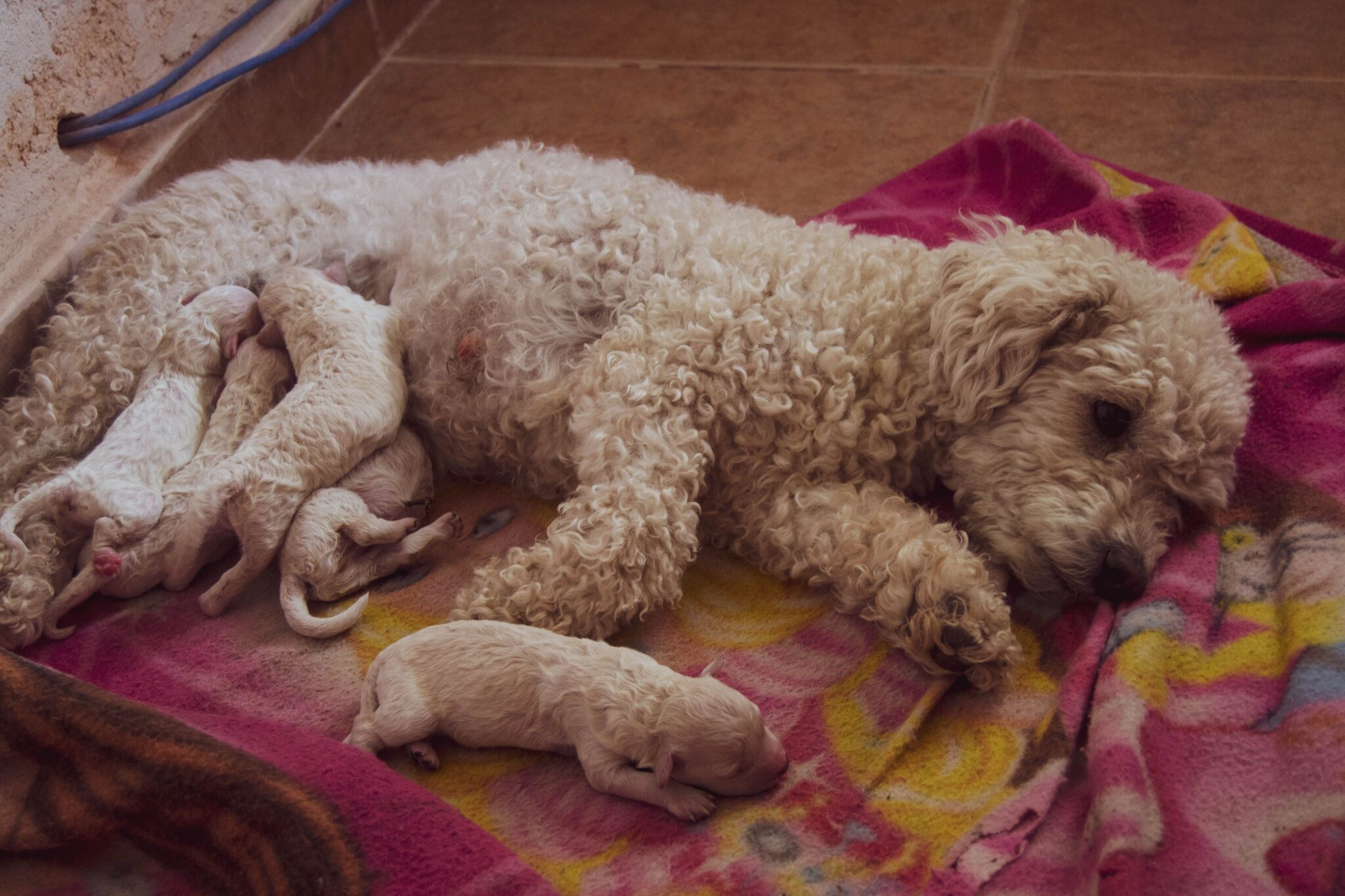
The first few weeks of a puppy’s life play a big part in future health. Responsible breeders give puppies the care they need from the day they are born. Good food, a clean environment, regular health checks, and proper care all support healthy growth during this important stage.
A puppy grows quickly during the first weeks. Strong nutrition helps build healthy bones, muscles, and a strong immune system. Regular cleaning also lowers the risk of illness while giving puppies a safe place to grow and explore.
Responsible breeders watch every puppy closely each day. They notice changes in eating, sleeping, activity, and overall development. If a puppy needs extra attention, they act early instead of waiting for the problem to grow.
Veterinary care also begins before puppies go to their new homes. Health checks, vaccinations, and parasite prevention become part of the puppy’s routine from an early age. This gives families a healthier puppy and a clear record of the care already provided.
Early Social Experiences Create Better Family Dogs
A puppy starts learning about the world long before joining your family. Responsible breeders use those early weeks to introduce puppies to normal everyday life in a safe and positive way. These early experiences help puppies grow into confident and well-adjusted dogs.
Simple things make a big difference. Meeting different people, hearing household sounds, walking on different surfaces, and spending time with littermates all become part of the learning process. Puppies slowly become familiar with everyday life instead of facing everything for the first time after adoption.
Life with littermates also teaches valuable lessons. Puppies learn how to play without hurting each other, how to share space, and how to understand basic social signals. These lessons become part of their behavior as they grow.
Responsible breeders avoid rushing this stage. They give puppies enough time to learn before leaving for their new homes. That extra time helps puppies adjust more easily when they meet their new family.
Supports Better Temperament
Good health is only one part of raising a great family dog. Personality matters just as much. A friendly, calm, and confident dog makes everyday life much easier, and responsible breeders work to protect those qualities from one generation to the next.
Before breeding, responsible breeders pay attention to the behavior of both parent dogs. They look for dogs that stay calm around people, handle new situations well, and show a stable temperament. Those qualities give puppies a better start because behavior often develops from both genetics and early experiences.
This helps families in many ways. A puppy with a balanced temperament often learns new routines more easily, enjoys meeting people, and settles into home life without constant stress. Daily activities such as walks, training, visits to the veterinarian, or meeting guests become much more enjoyable when your dog feels comfortable in different situations.
Maria Sin, Founder of Purebred Kitties, highlights, “Responsible breeders spend time watching each puppy as it grows. Every puppy has its own personality. Some are more active, while others are naturally calmer. Understanding these differences helps breeders guide families toward a puppy that fits their lifestyle instead of simply letting them choose based on appearance.”
Puppies Learn Important Life Skills Before They Go Home
The weeks before a puppy joins your family are full of learning. Responsible breeders do not rush this stage because they know puppies learn valuable skills from their mother and littermates during this time.
Playing with brothers and sisters teaches puppies how to behave around other dogs. They learn when play becomes too rough, how to share space, and how to understand simple body language. These lessons happen naturally every day and become part of how the puppy interacts with others later in life.
The mother also plays an important role. She guides her puppies, corrects unwanted behavior, and helps them feel safe as they grow. Puppies that stay with their mother for the proper amount of time receive important lessons that people cannot easily replace.
Responsible breeders also introduce simple routines before puppies leave for their new homes. Puppies become familiar with handling, grooming, short periods away from the litter, and normal household activities. These early experiences help reduce stress after adoption.
Continue Supporting Families After Adoption
Bringing a puppy home is not the end of a responsible breeder’s role. Good breeders stay involved because they want every puppy to settle into its new home and enjoy a healthy, successful life with its family.
The first few weeks often bring plenty of questions. New owners need to learn about feeding schedules, toilet training, sleeping routines, grooming, exercise, and everyday care. Having someone who knows the puppy from birth makes those early stages much less overwhelming.
Wilbur Schrock, Owner of Love Berners, stays in touch with many families long after their puppies have gone home because he believes ongoing guidance is part of responsible breeding. “The relationship with a puppy’s new family shouldn’t end on pickup day. Those first months are when owners usually have the most questions, and a breeder who knows the puppy’s personality and early development can often provide practical guidance that books and videos can’t. We enjoy watching our puppies grow and learning from their progress, whether they’re a full-sized Bernese or a Mini Bernese Mountain Dog.”
That support often continues as the puppy grows. Owners may ask about changing food, training, behavior, or health care, and a breeder who understands the dog’s background can offer advice based on firsthand knowledge. Regular updates help breeders improve future breeding decisions while giving families confidence that support is always available when they need it.
Helps Protect the Future of Every Breed
Responsible breeding does more than help one puppy or one family. Every careful decision helps protect the future of the breed. Healthy breeding practices reduce inherited health problems, support stable temperaments, and keep the qualities that make each breed unique.
Responsible breeders never focus on producing as many puppies as possible. They plan each litter with care and pay attention to health, behavior, and overall quality. This approach helps create healthier generations instead of passing the same problems from one litter to the next.
Ethical breeders also encourage responsible ownership. They spend time helping families choose the right puppy, explain what the breed needs, and stay available after adoption. If a family can no longer care for the dog, many responsible breeders are willing to help instead of allowing the dog to end up in the wrong situation.
These efforts create benefits that reach far beyond one home. Families receive healthier puppies, dogs enjoy a better quality of life, and future generations start with a stronger foundation. Every responsible breeding decision helps build a healthier future for the breed while giving more families the chance to enjoy a happy life with their dogs.
Building a Strong Future Together
Responsible breeding begins long before a puppy joins your family, and the benefits last for years. Healthy parent dogs, proper early care, good social experiences, and ongoing support all help puppies grow into confident and healthy adult dogs.
Families also enjoy a smoother start because many important foundations are already in place. Choosing a responsibly bred puppy is about giving your dog the best possible start and building a happier life together. Those early decisions continue to make a difference every day, creating stronger bonds, healthier dogs, and better experiences for families for many years to come.