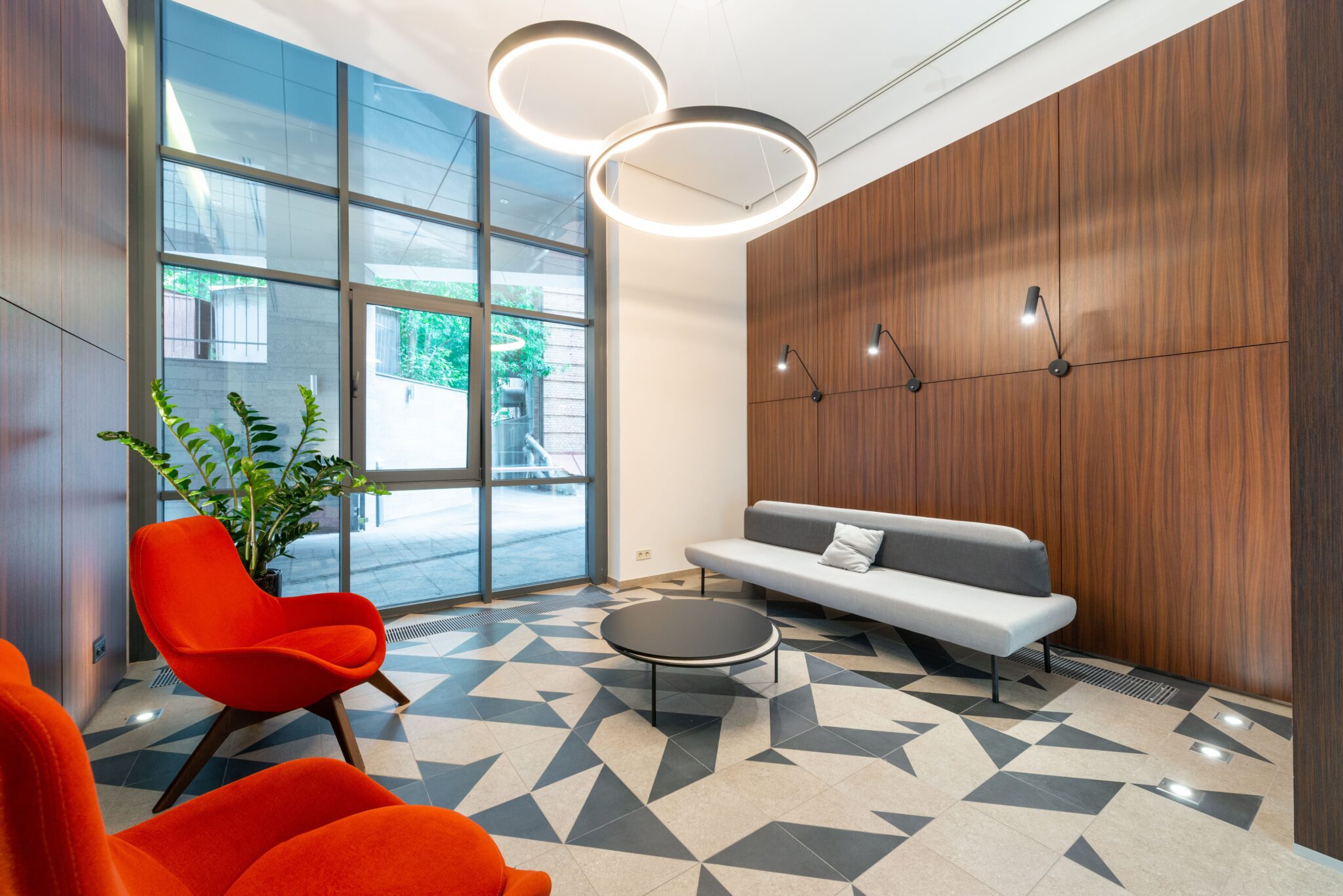
Attracting commercial tenants is about more than offering a good location or competitive lease terms. Businesses want spaces that support their employees, reflect their culture, and adapt as their needs change. For landlords, this creates an opportunity to make properties more appealing through thoughtful interior improvements.
But updating a building isn’t simply about choosing new furniture or changing its appearance. The most effective spaces combine design, technology, flexible layouts, and practical building features to create a better tenant experience.
Why Interior Spaces Matter to Commercial Tenants
Commercial tenants look beyond square footage when comparing properties. They consider how easily a space can support daily operations, employee needs, and future growth.
A well-planned interior can help businesses set up their workplace without extensive changes before moving in. This is especially valuable for companies that need meeting areas, private offices, and flexible spaces for different activities.
For landlords, integrated interior solutions bring furniture, architectural elements, and workplace technology together into a more functional environment.
Rather than treating each improvement as a separate project, this approach considers how different parts of the space work together. The result is an interior that is easier to use and better suited to changing tenant requirements.
Flexible Layouts Make Properties More Appealing
Businesses change over time. Teams expand, departments reorganize, and employees adopt different ways of working.
Traditional office layouts can make these changes difficult, especially when interior walls and workstations are fixed in place.
Flexible interiors give tenants more options to adapt their spaces without major renovations.
Landlords can improve flexibility by incorporating:
- Modular walls: Movable or reconfigurable partitions that allow businesses to adjust room layouts.
- Adaptable furniture: Desks, tables, and seating that support different work arrangements.
- Multipurpose areas: Spaces that accommodate meetings, training sessions, and collaborative activities.
- Private work areas: Enclosed spaces for focused work and confidential conversations.
For example, a growing company might initially need an open workspace with a few meeting rooms. As the team expands, modular partitions could help create additional private offices without rebuilding the entire interior.
This flexibility helps landlords appeal to businesses with different space needs while making future tenant improvements easier.
Technology Helps Create a More Functional Workplace
Modern workplaces rely on technology for communication, meetings, and everyday operations.
A property may have attractive interiors, but tenants can still face challenges if its meeting rooms lack suitable connections or technology infrastructure.
Integrating technology into interior planning helps address these issues early.
Useful features include video conferencing systems, wireless presentation tools, room scheduling technology, and accessible power connections.
Landlords can also consider how lighting, acoustics, and furniture placement affect how employees use these systems.
For instance, a conference room designed for hybrid meetings needs more than a screen and camera. Seating arrangements, sound quality, and visibility all influence how comfortably people can participate.
Planning these elements together creates a more complete workplace experience and can reduce the need for tenants to coordinate separate upgrades.
Comfortable Shared Spaces Add Everyday Value
Tenant satisfaction isn’t limited to what happens inside individual offices.
Lobbies, lounges, shared meeting rooms, and other common areas influence how employees and visitors experience a building.
These spaces can serve practical purposes while helping a property feel welcoming and professionally maintained.
Comfortable seating, appropriate lighting, and convenient charging stations can make shared areas more useful.
For example, a lobby might include a small seating area where visitors can wait, or employees can have informal conversations. A shared conference room could give tenants additional meeting space without requiring each business to maintain a large dedicated room.
Landlords should consider how people actually use these areas before investing in improvements.
Amenities that address everyday needs can offer more practical value than decorative upgrades alone.
Sustainable Improvements Support Long-Term Property Management
Interior improvements also create opportunities to consider energy use, material selection, and building operations.
Energy-efficient lighting, durable furnishings, and reusable architectural components can help landlords manage resources more thoughtfully.
The U.S. Department of Energy’s Better Buildings initiative identifies tenant improvements as an important opportunity to incorporate energy efficiency into commercial spaces.
Landlords can apply this approach by planning upgrades that support both building operations and tenant needs.
For example, choosing durable furniture can reduce replacement frequency. Modular construction can allow certain interior components to be reused when layouts change.
Evaluate these choices based on the property’s condition, budget, and operating requirements.
Coordinated Projects Can Simplify Tenant Improvements
Interior renovations often involve several parties, including contractors, furniture suppliers, technology specialists, and property managers.
When these groups work independently, landlords may face scheduling conflicts, installation issues, and additional coordination.
An integrated approach brings these activities into a shared project plan.
Companies such as dancker, which has operated since 1829, bring together furniture, specialty construction, workplace technology, and logistics services to support coordinated interior projects.
This approach helps property owners organize improvements around the building’s and its occupants’ needs.
For landlords preparing vacant space, careful coordination matters most. Furniture installation, technology setup, and interior construction must align so the property is tenant-ready.
How Better Interiors Can Encourage Lease Renewals
Attracting tenants is only part of successful property management. Maintaining positive relationships throughout the lease is equally important.
Businesses may reconsider their space when their operations change or their existing workplace no longer meets their needs.
Landlords who provide adaptable interiors can offer options before relocation becomes necessary.
For example, a tenant that needs additional meeting rooms might modify its current layout rather than search for another property.
Regular communication also matters. Property managers can ask tenants about workspace challenges, shared amenities, and priorities for improvement.
Although interior upgrades alone cannot guarantee renewals, addressing practical tenant needs can strengthen relationships.
Building Spaces That Tenants Want to Keep
Commercial properties are more than physical structures. They are places where businesses operate, employees collaborate, and customers form impressions.
Landlords can make their buildings more competitive by looking beyond cosmetic renovations and considering how interiors function as a whole.
Flexible layouts, integrated technology, comfortable shared spaces, and coordinated improvements can help create properties that serve tenants more effectively.
The best starting point is understanding what current and prospective tenants need from their space.
When interior investments meet those needs, landlords can offer workplaces businesses value throughout their leases.
Frequently Asked Questions
What are integrated interior solutions?
Integrated interior solutions combine elements such as furniture, architectural products, workplace technology, and installation services to create functional commercial environments. The goal is to ensure these components work together, not as separate improvements.
How can interior improvements help landlords attract tenants?
Thoughtful improvements can make commercial properties more useful and appealing. Flexible layouts, reliable technology, and comfortable shared spaces help businesses assess whether a property supports their operations.
Can flexible office designs help with tenant retention?
Flexible designs allow businesses to adjust their workplaces as needs change. This can make staying in an existing property more practical, although renewal decisions also depend on factors such as rent, location, and lease terms.
What should landlords prioritize when renovating commercial interiors?
Landlords should evaluate tenant needs, building conditions, technology requirements, accessibility, maintenance, and budgets. Improvements that address actual operational challenges generally provide a stronger foundation for renovation planning.