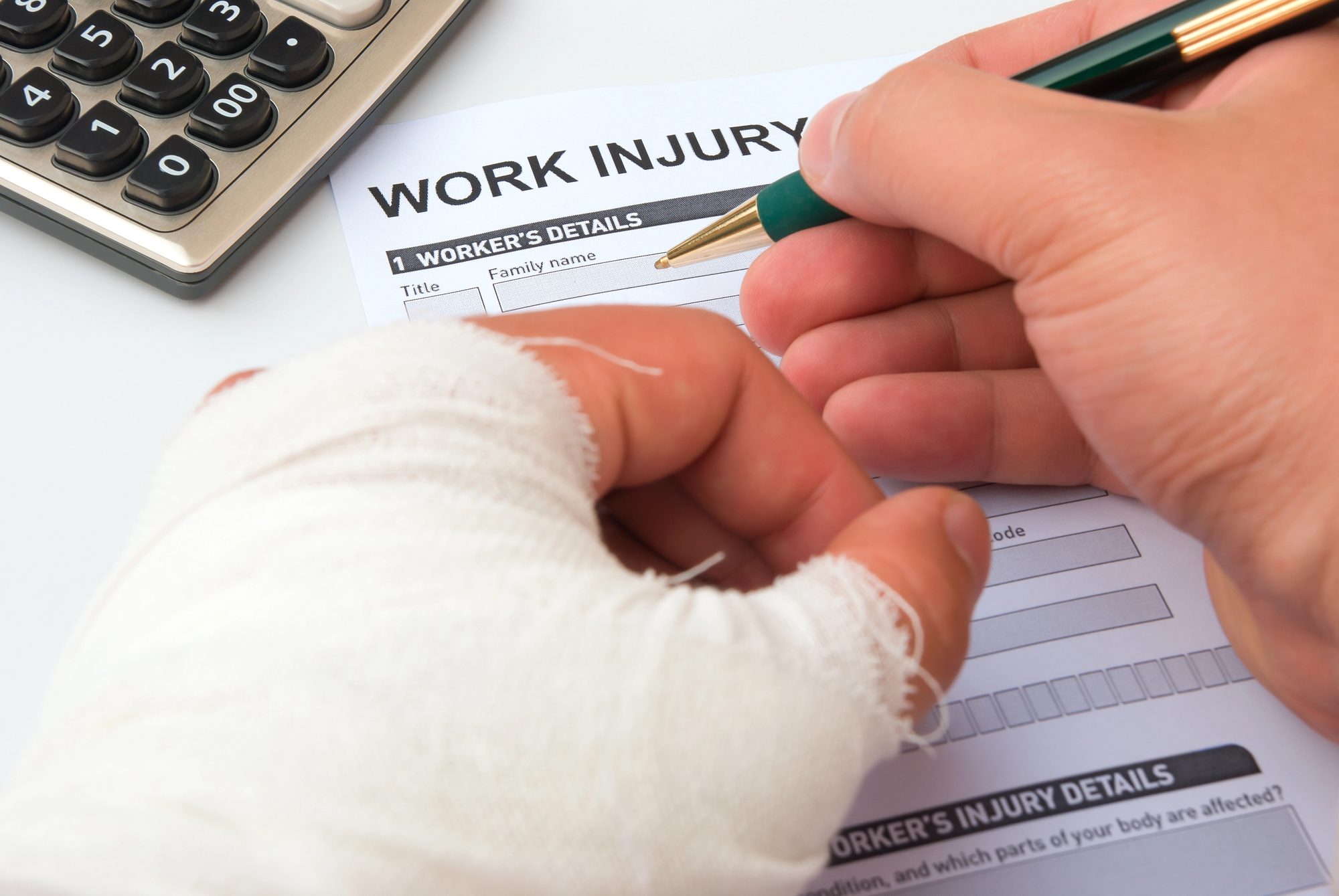
Providence is home to a wide mix of hospitals, universities, government offices, construction sites, restaurants, warehouses, and small businesses, so employees across the city face very different working conditions and injury risks. When an injury keeps someone away from work, the immediate concern may be physical recovery, but the financial consequences can extend well beyond a missed paycheck. A workplace injury can disrupt income, treatment, insurance, and family finances at once, while late benefit paperwork or incomplete medical information can make recovery harder. Employees may also need to understand how an absence affects health coverage, leave rights, retirement contributions, and other employer-provided support.
Promptly reporting the incident, following medical advice, preserving records, and reviewing workplace policies can help protect those benefits while a claim gets handled. When questions arise about eligibility, disputed payments, or employer obligations, a Providence workers’ compensation lawyer can explain how state workers’ compensation rules may apply. Legal guidance can also help injured employees identify problems before missed deadlines or inconsistent documentation place important benefits at risk.
Get Medical Care Quickly
Prompt evaluation establishes when symptoms began and how the incident affected function. During the appointment, employees should explain the event, identify painful areas, and describe duties that increase discomfort or weakness. A workers’ compensation lawyer can clarify filing duties, evidence requirements, and claim deadlines if an employer or insurer disputes the injury. Legal guidance may also help workers answer formal questions, organize records, and preserve wage or medical benefits while treatment continues.
Report the Incident
Supervisors should receive notice as soon as possible after an accident. The report should include the date, time, location, affected body parts, and witness names. Written notification offers stronger documentation than a conversation alone. Employees should retain a copy, along with proof of delivery. Delayed notice can raise questions about causation, timing, or symptom severity, which can affect access to assistance.
Record Every Detail
Personal notes preserve information that often disappears after a frightening event. Workers should describe what happened, who observed it, which symptoms followed, and what managers later said. Keep one secure folder with reports, medical records, prescriptions, travel receipts, and pay statements. A dated timeline can expose missing information and help employees provide consistent answers during claim reviews.
Follow Treatment Instructions
Clinicians may prescribe restrictions, medication, physical therapy, or follow-up examinations. Employees should attend each appointment and follow directions as closely as possible. Missed care can create an inaccurate impression about symptom severity. If medicine produces adverse effects or therapy fails to improve movement, the patient should contact the provider promptly. Record any changes in the clinical record, not in an informal conversation.
Review Benefit Policies
Employer programs may include medical insurance, paid leave, disability payments, retirement contributions, or spending accounts. Each option can carry separate forms, notice periods, and eligibility standards. Employees should read plan documents and send focused questions to human resources. Written responses create a reliable reference if coverage changes, deductions continue, or an administrator later challenges a payment.
Protect Health Coverage
Ongoing treatment may depend on active insurance. Employees should confirm premium dates, enrollment status, dependent coverage, and leave forms. Someone on unpaid leave may need to arrange personal payments to prevent cancellation. Human resources should receive updated contact details and required medical certifications. Unanswered notices can create coverage gaps, rejected services, or treatment bills that might otherwise be covered.
Handle Employer Contact Carefully
Supervisors may request statements, meetings, or updates during recovery. Employees should respond with verified facts and avoid guessing about healing dates, work capacity, or responsibility. You should never casually accept blame. Keep copies of messages in the claim file, and summarize phone discussions afterward. You can answer unclear questions more safely once the request arrives in writing.
Consider Return-to-Work Plans
A proposed return should match current medical restrictions. Employees should compare duties, hours, lifting limits, standing requirements, and rest periods with provider instructions. Report unsafe assignments to both the supervisor and treating clinician. Do not hide pain to appear cooperative. A written schedule can prevent confusion and show whether assigned tasks respect present physical limitations.
Manage Leave Deadlines
Family leave, disability leave, and injury benefits may follow different calendars. Employees should ask which forms apply, when certification is due, and whether extensions exist. Calendar reminders reduce missed submissions. Copy completed paperwork and send it with delivery confirmation. Timely filing protects eligibility, gives administrators complete information, and limits avoidable delays in payment or coverage.
Avoid Social Media Problems
Public posts can influence a benefit review if images or comments appear inconsistent with stated limitations. Travel photographs, recreational activity, or work performed elsewhere may lack medical context. Injured workers should avoid discussing the incident online and review account privacy settings. Relatives should not publish photographs without permission. Private records provide a safer place for updates than public explanations.
Keep Communication Consistent
Employers, insurers, clinicians, and administrators may ask similar questions at different stages. Employees should describe verified facts accurately each time. Symptoms can change, but they should document the reason for each change through treatment. Conflicting statements may weaken credibility and prolong review. A personal timeline helps workers answer clearly without relying on memory during stressful conversations.
Conclusion
Protecting workplace benefits after an injury requires prompt notice, complete records, consistent treatment, and attention to every deadline. Employees should examine pay, insurance, leave, and retirement effects, not just immediate medical needs. Written communication limits confusion, while qualified legal advice can help address disputed benefits. Organized action gives injured workers a clearer record, stronger support, and more control throughout recovery.
photo by depositphotos