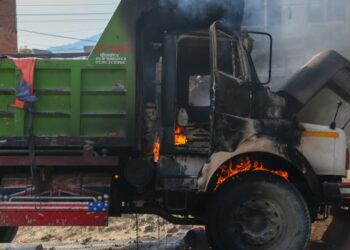
Sometimes a tire blowout causes a crash. At such a moment, the insurance company doesn’t sit back and wait for your side of the story. They start their investigation by securing the blown tires, collecting maintenance records, checking for recalls, and requesting recorded statements from the claimants.
Tire blowout crashes happen more than most people realize. The NHTSA estimates that tire-related failures contribute to around 11,000 crashes every year in the U.S.
Tractor-trailer tire blowouts are some of the deadliest. When an 80,000-pound truck loses a tire at highway speed, the driver can lose control in an instant. Debris flies across lanes. Other vehicles have less time to react. The crashes that follow are severe.
So how exactly does an insurance company investigate these claims? Here’s what actually happens.
They Secure the Evidence
The tire itself is the most important piece of evidence in any blowout case. Insurance investigators know this, and they move quickly to get it before anyone else does. They then examine it closely.
A tire that has been run underinflated puts the focus on the driver or the company that owns the vehicle. A tire with a manufacturing defect opens the door to a product liability claim against the tire maker.
Under Restatement (Second) of Torts § 402A, a manufacturer can be held strictly liable if a defective product causes harm.
If the tire goes missing before anyone examines it, the victim’s case takes a serious turn. This is why preserving that tire matters.
They Gather Maintenance Records.
For trucks and commercial vehicles, federal law is clear about tire standards. Under 49 CFR § 393.75, commercial trucks cannot legally operate with tires that
- Show the exposed tire.
- Are improperly inflated.
- Have tread depth below 2/32 of an inch on rear axles and 4/32 on front axles.
Insurance investigators request every maintenance log and inspection report tied to the vehicle. They’re looking for red flags such as
- A tire that hasn’t been checked in months.
- A problem that was reported but never fixed.
- A trucking company that kept vehicles on the road past safe limits.
If they find those gaps, they use them to argue the driver or company is more at fault.
They Analyze the Crash Scene
Skid marks, road debris, gouge marks—all of this tells a story. Insurance companies hire accident reconstruction experts to figure out exactly when the tire failed and whether anything the driver did made the outcome worse.
For commercial trucks, they pull the data from the vehicle itself. Most modern trucks carry electronic logging devices and event data recorders. Under 49 CFR § 395.8, that data has to be retained.
Investigators use it to check
- The driver’s speed
- Braking
- How many hours they had been driving before the blowout
A driver who had been on the road for 13 hours straight before a crash tells a very different story than one who was well within legal limits.
They Investigate the Tire’s Manufacturing History
If the investigation suggests the tire itself was defective, they dig into its manufacturing history. The NHTSA keeps a public database of tire recalls. Investigators check the DOT code on the tire sidewalls and cross-check it against known recalls.
If a recall existed and the tire was never replaced, that opens up liability for the vehicle owner or the shop that last serviced the vehicle.
They Take Recorded Statements Early
An adjuster will call and ask for a recorded statement. They’ll make it sound like a routine step.
The questions are designed to get you to say something that weakens your claim. They will ask questions like:
- Did you know the tires were old?
- Were you sure it was a blowout and not something else?
- How were the road conditions?
Small answers to carefully worded questions can do real damage later.
You are not legally required to give a recorded statement to the other party’s insurer. A lawyer can handle all of that communication for you.
Key Takeaways
- Tire blowouts can lead to severe crashes, which can happen within seconds.
- Insurance companies gather maintenance records to find gaps they can use to argue who was at fault.
- They even team up with accident reconstruction experts to find out what exactly happened.
- Sometimes they may even investigate the tire’s manufacturing history.
- They may call you to get an early statement about the accident.