Key Takeaways
- Regular equipment updates and thorough maintenance routines keep devices reliable and safe for patient use.
- Advanced technologies, such as artificial intelligence and telehealth systems, transform patient monitoring and disease management.
- Structured staff education maximizes the benefits of new equipment and enhances patient trust.
- Comprehensive financial planning ensures organizations are prepared for necessary equipment investments.
Table of Contents
- Importance of Updating Home Medical Equipment
- Integrating Advanced Technologies
- Staff Training and Education
- Financial Planning for Equipment Upgrades
- Collaborating with Reputable Suppliers
- Monitoring and Evaluating Equipment Performance
- Adapting to Patient Feedback
- Conclusion
Keeping home medical equipment (HME) reliable and up to date is pivotal to providing the highest standard of care for patients living at home. As both healthcare technology and patient needs continue to change rapidly, clinicians and care providers find that strategies for future-proofing their equipment are critical. Beyond basic functionality, progressive home health operations require providers to maintain up-to-date tools, tapping expert DME and HME billing services to improve financial and administrative outcomes along the way.
As the healthcare industry shifts toward more patient-centered, data-driven models, future-proofed home medical equipment such as home hospital beds, can play a vital role in bridging the hospital-to-home gap. Implementing new technologies, maintaining continuous staff education, and planning for regular equipment upgrades are essential steps. These all work together to support outstanding clinical outcomes and operational sustainability. The right combination of innovation, training, and strategic investment means patients receive timely, efficient, and safer care at home.
These efforts also help healthcare organizations remain compliant with evolving regulations, reduce downtime or breakdown-related costs, and boost patient satisfaction. As the number of patients requiring long-term, in-home care increases, forward-thinking approaches to HME management now impact the success of both patients and providers.
Ensuring open communication and responsiveness to patient and caregiver feedback further strengthens the overall patient experience. As new technologies such as remote monitoring and telemedicine tools become prevalent, the need for seamless, integrated systems becomes more apparent.
Importance of Updating Home Medical Equipment
Outdated or poorly maintained medical devices can lead to equipment failures, misdiagnoses, or even dangerous delays in patient treatment. Regularly updating HME helps ensure every device is calibrated to the latest safety standards and is capable of supporting best-in-class care. Studies have shown that hospitals and home health agencies achieve improved patient outcomes and enhanced workflow efficiency when they prioritize ongoing equipment updates. Experts recommend frequent reviews of device age and functionality, especially as standards of care and regulatory requirements continue to evolve.
Integrating Advanced Technologies
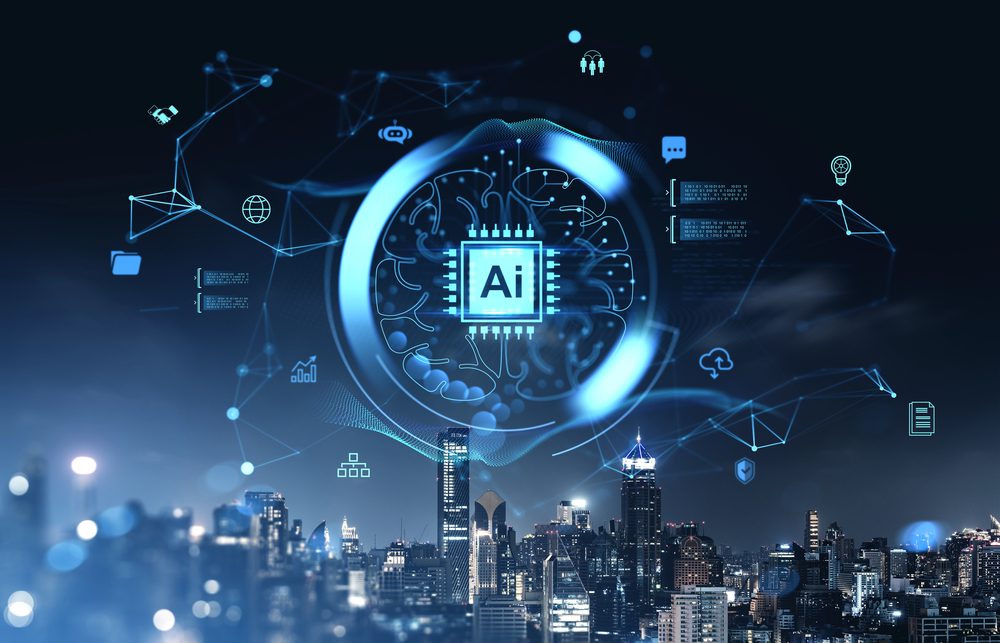
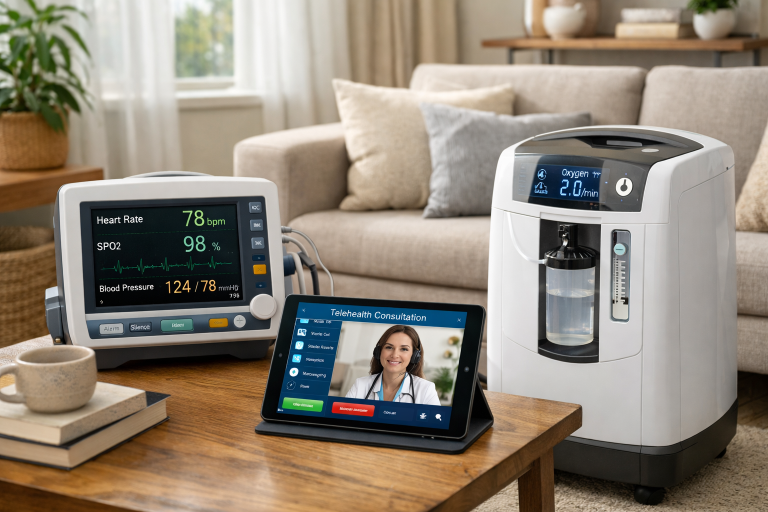
Digital transformation in healthcare is quickly becoming the norm, with telehealth platforms, remote patient monitoring, and artificial intelligence (AI) tools redefining how care is delivered outside of clinical settings. Incorporating AI-driven analytics into HME not only supports diagnostics but also enhances preventive care by identifying risks before they escalate into emergencies. Remote monitoring devices empower clinicians to gather real-time data, reducing unnecessary hospital visits and supporting proactive intervention for chronic conditions. Partnerships between health networks and technology leaders have demonstrated that integrating these tools creates a seamless, scalable care environment, enabling providers to adapt rapidly to changing patient needs.
Staff Training and Education
For home medical equipment to deliver its full value, healthcare staff must be thoroughly trained on both device operation and troubleshooting. Ongoing education on emerging technologies and changing protocols ensures teams are prepared to use every feature to the fullest. Training sessions also foster stronger connections between staff and patients, thereby improving patient trust in their care providers. Digital learning, onsite simulation, and certification programs are highly recommended best practices to help caregivers remain knowledgeable and confident in their roles.
Financial Planning for Equipment Upgrades
Investing in future-ready equipment can be a financial challenge for home health organizations, especially amid rising operational costs and reimbursement pressures. Advanced budgeting strategies and long-term financial plans are critical for balancing day-to-day needs with larger capital improvements. Leaders are advised to analyze their assets, predict equipment lifespans, and allocate funds for phased replacements. Additionally, partnering with vendors that offer flexible leasing or technology-as-a-service models may reduce upfront costs and enable smooth transitions to newer models as they emerge.
Collaborating with Reputable Suppliers
Dependable suppliers play a key role in maintaining the quality of an HME program. Top-tier vendors often supply not just the equipment but also ongoing maintenance, user support, and regular updates. Establishing strong supplier partnerships can ensure a steady pipeline of device upgrades and expert guidance. It is also beneficial to select suppliers accredited by national organizations to ensure compliance with and safety certifications for every device introduced into patient care environments.
Monitoring and Evaluating Equipment Performance
Routine evaluation of medical equipment is crucial for safety, regulatory compliance, and efficiency. Healthcare organizations should adopt robust performance-tracking systems to anticipate technical issues and identify underperforming or obsolete devices. Maintenance schedules and performance logs help ensure that every machine operates at peak efficiency, preventing costly disruptions and enabling swift corrective action when issues arise.
Adapting to Patient Feedback
Patient-centered care relies on actively soliciting and acting upon patient and caregiver feedback. Direct input from HME users at home sheds light on real-world challenges and unmet needs, guiding improvements in device selection, comfort, and usability. Integrating patient insights into procurement and training processes ultimately enhances compliance, comfort, and clinical outcomes.
Conclusion
Adopting a comprehensive approach to future-proofing home medical equipment is fundamental to high-quality, patient-centered care. By proactively upgrading devices, leveraging cutting-edge technology, cultivating staff expertise, and ensuring robust financial planning, healthcare organizations prepare for the demands of tomorrow’s patients. Diligent monitoring and meaningful patient engagement further strengthen the effectiveness of HME programs, enabling providers to navigate the challenges of an evolving healthcare landscape and deliver exceptional care at home.