In today’s growing online retail industry, it has never been easier to ship your products overseas, delivering them directly to your customer’s frontdoor. Expanding your customer base is essential for growing your business, and for many brands, it becomes an inevitable step in the growth and development of their company.
For any business planning to expand their operations internationally, investing in the right technological systems, partnering with experienced and trusted freight forwarders and couriers, such as opting to ship internationally with PACK & SEND, and optimizing transportation methods will allow you to take the next step in turning your business dreams into reality.
Core Considerations
Expanding into international shipping and logistics means adding new influencing factors and considerations into your business operations. Some may be brand new, while others may be familiar thanks to your domestic logistics operations. However, they will ultimately take on new weight as you expand past your already-established borders.
Multiple Transportation Modes
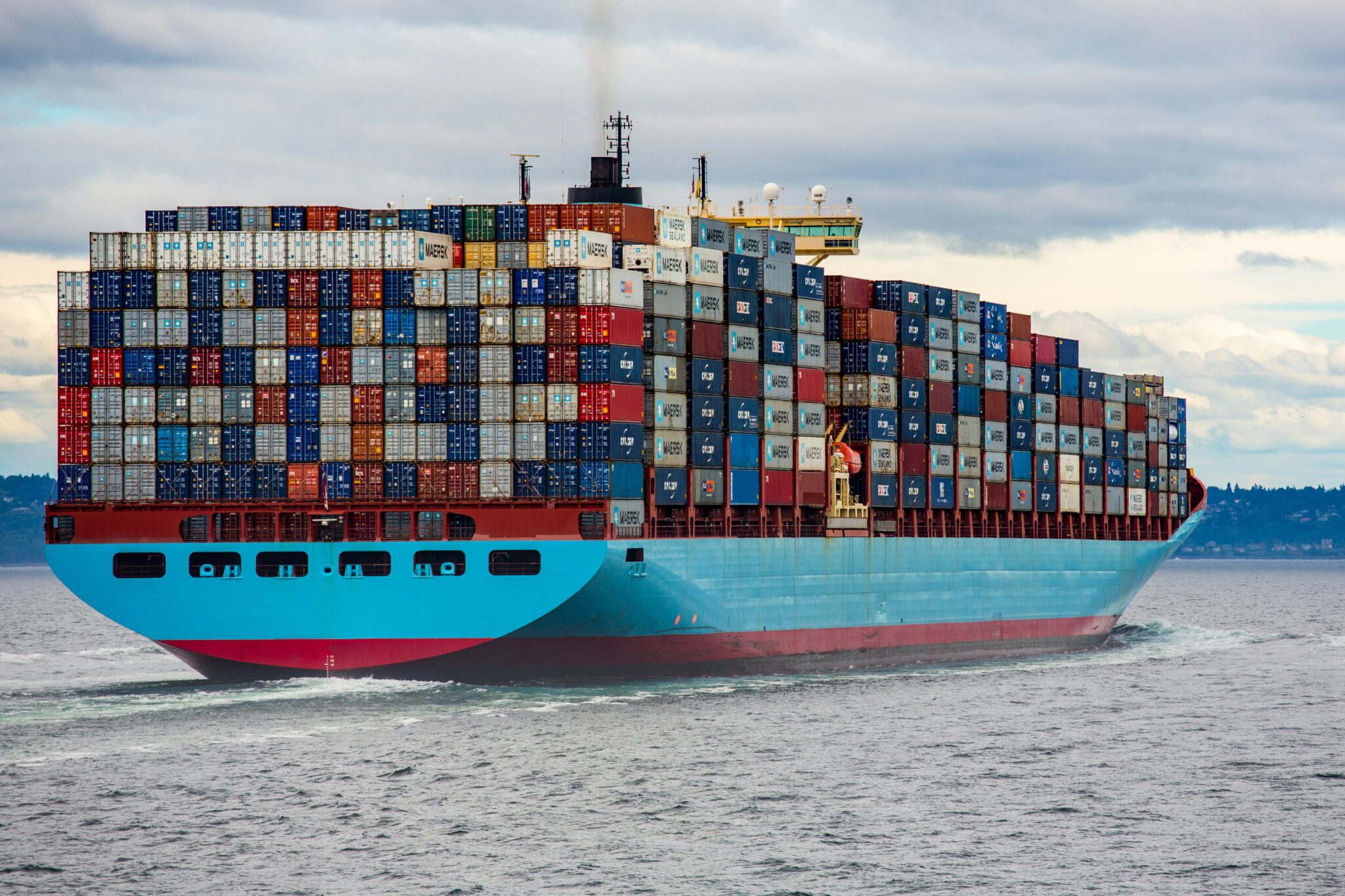
When you begin to ship international freight, precise coordination between your transportation modes becomes even more crucial. Depending on the size and geography of your international logistics, you will likely need to leverage all modes of transportation, including ocean, air, road, and rail freight. If you fail to properly coordinate all these moving pieces, it can lead to damaging delays and financial loss.
Along with potentially exploring new modes of transportation, your international shipments will travel longer distances, which can increase the risk of supply chain disruptions, many of which are beyond your control. Issues such as natural disasters, severe weather, geopolitical turmoil, and global logistics incidents, such as the 2021 blockage of the Suez Canal, can significantly impact shipment timelines.
Realistically, you are unlikely to use all forms of transportation. Instead you need to select the options that make the most sense for your specific business needs and budget. Choosing the right international freight shipping option is about finding the right balance between cost and speed.
Logistics in New Countries
Alongside coordinating with new modes of transportation, you will also need to navigate new countries, their laws, regulations, and operators. For example, you may know who is responsible for FTL shipments in the US, but if you are expanding to China, you may not know who to contact to move a container from a supplier to the port.
Partnering with an international freight forwarder can make this process easier for you, as they can leverage their own established network of trusted carriers to handle the necessary cargo movement around the world. They can also offer valuable insight into freight pricing.
Inventory Management
A strong, accurate, and reliable warehouse and inventory management plan plays a vital role when entering the international market. Because international freight carries longer timelines and more complex supply chains, proper inventory management is essential for maintaining accurate stock levels.
This will ensure you have the necessary supplies and inventory you need to continue business operations without delays or hitches but not so much inventory that you are forced to spend more money on storage and carrying costs. If you have not yet done so, it may be time to invest in a warehouse management system (WMS) to better monitor stock levels and track your inventory in real time, making your entire operation more cost-effective.

Compliance & Documentation
If you have never shipped internationally, customs regulations and restrictions will present a brand new challenge. Each country has its own set of unique export and import laws, all of which come with a range of mandatory documentation requirements.
When navigating these new taxes, tariffs, regulations and documentation, an experienced international freight forwarder and a customs broker can provide valuable support and guidance. Your chosen freight forwarder can help you prepare the correct documentation to ensure your shipment moves smoothly through international borders. These documents will include bills of lading, commercial invoices, packing lists and certificates of origin.
Should you encounter any issues or challenges, a customs broker can step in and resolve the issues that are holding up your shipment. These delays may include paperwork errors, additional tariff payments, or inspection fees and delays if your shipment is selected for inspection.
Additional Information
Expanding into international markets can be a hugely exciting and daunting business venture. For businesses planning to make this leap, it is worth considering additional information tips for a smoother transition.
Start Small
For any business newly entering international logistics, it is highly recommended to start with smaller shipments first, to build confidence in this previously unknown environment and give you an opportunity to iron out any challenges or issues that may arise on a much smaller scale.
Furthermore, if you opt to build business partnerships with a new international freight forwarder, starting with small shipments allows you to test your relationship in a lower-stakes environment, before expanding to larger operations.

Invest in Technology
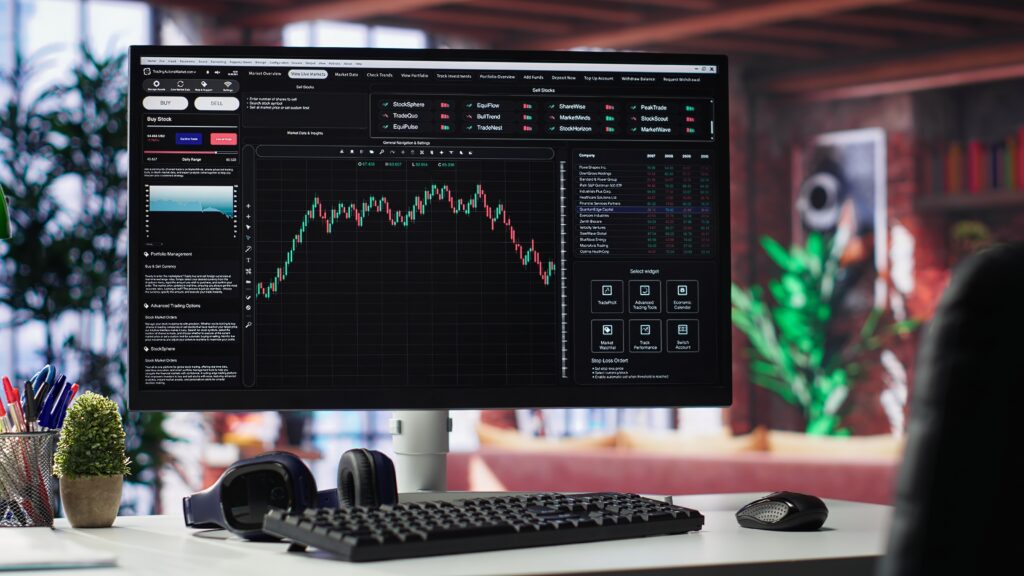
When you expand into the international market, your logistics will become significantly larger and more complex. To set yourself up for success, invest in platforms that provide real-time, accurate tracking and robust inventory management capabilities for better control and visibility.
A warehouse management system (WMS) or transportation management system (TMS) are fantastic options for putting much-needed information front and center to make smart business choices around international logistics.