Starting or growing a boutique requires more than finding stylish clothing. Boutique owners need reliable suppliers that offer quality products, competitive wholesale prices, consistent sizing, and dependable delivery. Choosing the right fashion wholesale suppliers for boutiques can directly influence your inventory, profit margins, customer satisfaction, and overall brand reputation.
Whether you operate an online boutique, physical clothing store, or social-commerce business, wholesale sourcing allows you to purchase fashion products in larger quantities at lower prices. The challenge is finding suppliers whose products match your target customers and business model.
What Are Fashion Wholesale Suppliers?
Fashion wholesale suppliers sell clothing and accessories to retailers rather than directly to individual consumers. Boutique owners purchase products from wholesalers and then sell them to customers at retail prices.
Wholesale suppliers may specialize in different categories, including women’s fashion, men’s clothing, children’s apparel, accessories, footwear, activewear, modest fashion, or seasonal collections.
Some suppliers offer ready-to-ship inventory, while others work with manufacturers to produce private-label or customized products.
Best Types of Wholesale Fashion Suppliers
Different suppliers can serve different boutique business needs. Understanding the main categories can help you choose the right sourcing strategy.
| Supplier Type | Best For | Main Advantage |
|---|---|---|
| Wholesale marketplaces | New boutiques | Large product selection |
| Direct manufacturers | Growing businesses | Competitive pricing |
| Local wholesalers | Fast inventory replenishment | Shorter delivery times |
| Overseas suppliers | Large orders | Lower production costs |
| Private-label suppliers | Brand building | Custom branding |
| Boutique distributors | Curated stores | Ready-to-sell collections |
| Sustainable wholesalers | Eco-conscious boutiques | Responsible product options |
| Specialty suppliers | Niche stores | Focused product selection |
A boutique does not necessarily need to work with only one supplier. Many successful retailers use several sources to create a diverse product range.
How to Find Fashion Wholesale Suppliers for Boutiques
Finding suppliers is easier when you first define your boutique’s niche. Consider the type of customer you want to attract, your average selling price, preferred clothing categories, and expected order volume.
You can search through wholesale marketplaces, industry trade shows, fashion directories, manufacturer websites, and business networking communities.
When evaluating a potential supplier, investigate more than product photographs. Review their minimum order quantities, wholesale pricing, shipping policies, return procedures, payment options, and production timelines.
A supplier that offers inexpensive clothing but has unreliable delivery may ultimately cost your business more than a slightly more expensive but dependable supplier.
Wholesale Suppliers for Women’s Boutiques
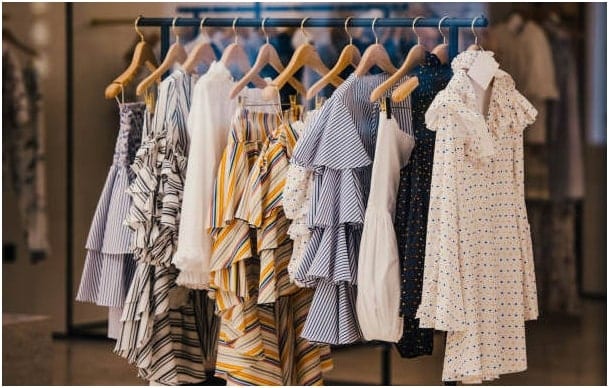
Women’s fashion is one of the largest categories in boutique retail. Suppliers may offer dresses, tops, skirts, trousers, denim, jackets, knitwear, and coordinated sets.
When sourcing women’s clothing, pay close attention to sizing consistency. Customers expect garments from the same boutique to have reasonably predictable fits.
It is also useful to select suppliers with collections that can be mixed and matched. For example, a supplier offering tops, trousers, cardigans, and jackets in complementary colors can help you create complete outfits rather than selling isolated pieces.
Wholesale Suppliers for Men’s Boutiques
Men’s boutiques can source shirts, T-shirts, trousers, denim, jackets, knitwear, outerwear, and accessories through specialized wholesale suppliers.
A strong men’s collection often benefits from a combination of basics and statement pieces. Neutral shirts, quality T-shirts, chinos, denim, and jackets can provide dependable core inventory, while seasonal or trend-driven products can attract customers looking for something different.
Consider your target customer carefully. A boutique serving young streetwear shoppers will require a very different supplier mix from one specializing in classic business clothing.
Boutique Clothing Suppliers for Online Stores
Online boutiques often need flexible suppliers because storage space and inventory budgets may be limited.
Look for suppliers offering reasonable minimum order quantities, clear product photography, detailed descriptions, and accurate stock information.
Some wholesalers also offer dropshipping or direct fulfillment. This can reduce the need to hold inventory, although it may provide less control over packaging, quality inspection, and delivery.
For online stores, accurate product information is particularly important. Customers cannot physically examine clothing before purchasing, so your product pages need reliable measurements, fabric information, and photographs.
Understanding Minimum Order Quantities
Minimum order quantity, commonly called MOQ, refers to the smallest number of products a supplier requires you to purchase.
Some suppliers may allow retailers to purchase individual pieces or small quantities, while manufacturers may require larger orders.
| Business Stage | Suggested Supplier Approach |
|---|---|
| New boutique | Low-MOQ wholesalers |
| Small established store | Mixed wholesale sources |
| Growing retailer | Direct suppliers and manufacturers |
| Large boutique | Higher-volume manufacturers |
| Private-label brand | Specialized production partners |
Low MOQs can be useful for testing new styles. Once you know which products sell consistently, larger orders may provide better pricing.
Compare Wholesale Prices Carefully
The lowest wholesale price does not necessarily provide the best value.
When comparing suppliers, calculate the complete cost of getting a product ready for sale. This can include the wholesale price, shipping, customs charges, packaging, payment fees, alterations, and potential defective items.
For example, a garment with a slightly higher wholesale price may offer better fabric quality and lower return rates. That could make it more profitable than a cheaper alternative.
Always calculate your expected gross margin before placing a large order.
Check Clothing Quality Before Ordering
Product quality should be one of your highest priorities. Poor-quality garments can lead to customer complaints, returns, negative reviews, and damage to your boutique’s reputation.
Whenever possible, order samples before committing to a large purchase.
Inspect:
- Fabric quality
- Stitching
- Seams
- Buttons and zippers
- Color consistency
- Print quality
- Garment measurements
- Labels
- Packaging
- Overall finishing
Washing or wearing a sample can also reveal issues that may not be visible immediately.
Private Label Fashion Suppliers
Private-label suppliers allow boutiques to sell products under their own brand name. Depending on the supplier, you may be able to customize labels, packaging, colors, fabrics, designs, or other details.
Private labeling can help a boutique establish a stronger identity and reduce direct comparison with competing retailers.
However, customized production usually requires more planning. Minimum order quantities, development costs, sampling fees, and longer production timelines may apply.
For new businesses, it can be sensible to start with ready-made wholesale products before investing heavily in custom manufacturing.
Sustainable Fashion Wholesale Suppliers
Demand for responsible fashion continues to influence boutique purchasing decisions. Some wholesale suppliers specialize in organic fabrics, recycled materials, low-impact production, small-batch manufacturing, or ethical sourcing.
If sustainability is an important part of your boutique’s identity, ask suppliers for specific information about their materials and production processes.
Avoid making environmental claims based solely on vague terms such as “eco-friendly.” Look for clear information about materials, certifications where relevant, manufacturing practices, and packaging.
Questions to Ask Wholesale Suppliers
Before establishing a relationship with a supplier, ask practical questions about their business terms.
Important questions include:
- What is your minimum order quantity?
- What are your wholesale prices?
- Do you offer volume discounts?
- How long does shipping take?
- Where are products manufactured?
- Can I order samples?
- What is your defective-product policy?
- Do you offer private labeling?
- How frequently do you restock?
- What payment methods do you accept?
- Do prices include shipping or other charges?
Clear answers can help you avoid unpleasant surprises later.
How to Build a Reliable Supplier Network
Relying on a single supplier can create problems if products become unavailable or delivery is delayed. Building relationships with several dependable suppliers can make your boutique more resilient.
For example, you might use one supplier for everyday basics, another for seasonal fashion, and a third for accessories.
Keep records of supplier performance, including delivery times, product quality, communication, pricing, and customer feedback.
Over time, you can identify your strongest suppliers and increase your purchasing volume with them.
Wholesale Fashion Trends for Boutiques
Boutiques need to balance current trends with products that have lasting appeal.
Trend-focused inventory can create excitement and attract customers searching for new styles. However, buying too much of a short-lived trend can leave you with unsold inventory.
A balanced purchasing strategy might include classic essentials, seasonal colors, contemporary silhouettes, and a smaller selection of experimental pieces.
This approach gives customers variety without making your entire inventory dependent on rapidly changing trends.
Tips for Buying Wholesale Fashion
Successful wholesale buying requires planning rather than simply purchasing products that look attractive.
Start by reviewing your previous sales data if available. Identify your best-selling sizes, colors, categories, and price points.
Then establish a purchasing budget and determine how much inventory you can realistically sell.
Before ordering, consider:
- Target customer
- Seasonal demand
- Product quality
- Wholesale cost
- Expected retail price
- Profit margin
- Minimum order quantity
- Shipping time
- Available storage
- Return and exchange policies
Buying with a clear strategy can reduce excess inventory and improve cash flow.
Final Thoughts
Choosing the right fashion wholesale suppliers for boutiques is one of the most important decisions a retailer can make. The right supplier can provide attractive products, consistent quality, competitive pricing, and dependable service, while the wrong supplier can create inventory problems and hurt customer trust.
Start by defining your boutique’s niche and target customer. Compare multiple suppliers, order samples, review business terms, and calculate the complete cost of each product before placing large orders.
As your boutique grows, build relationships with dependable suppliers and track which products perform best. A carefully managed wholesale sourcing strategy can help you maintain a fresh inventory, protect your profit margins, and create a shopping experience that keeps customers coming back.