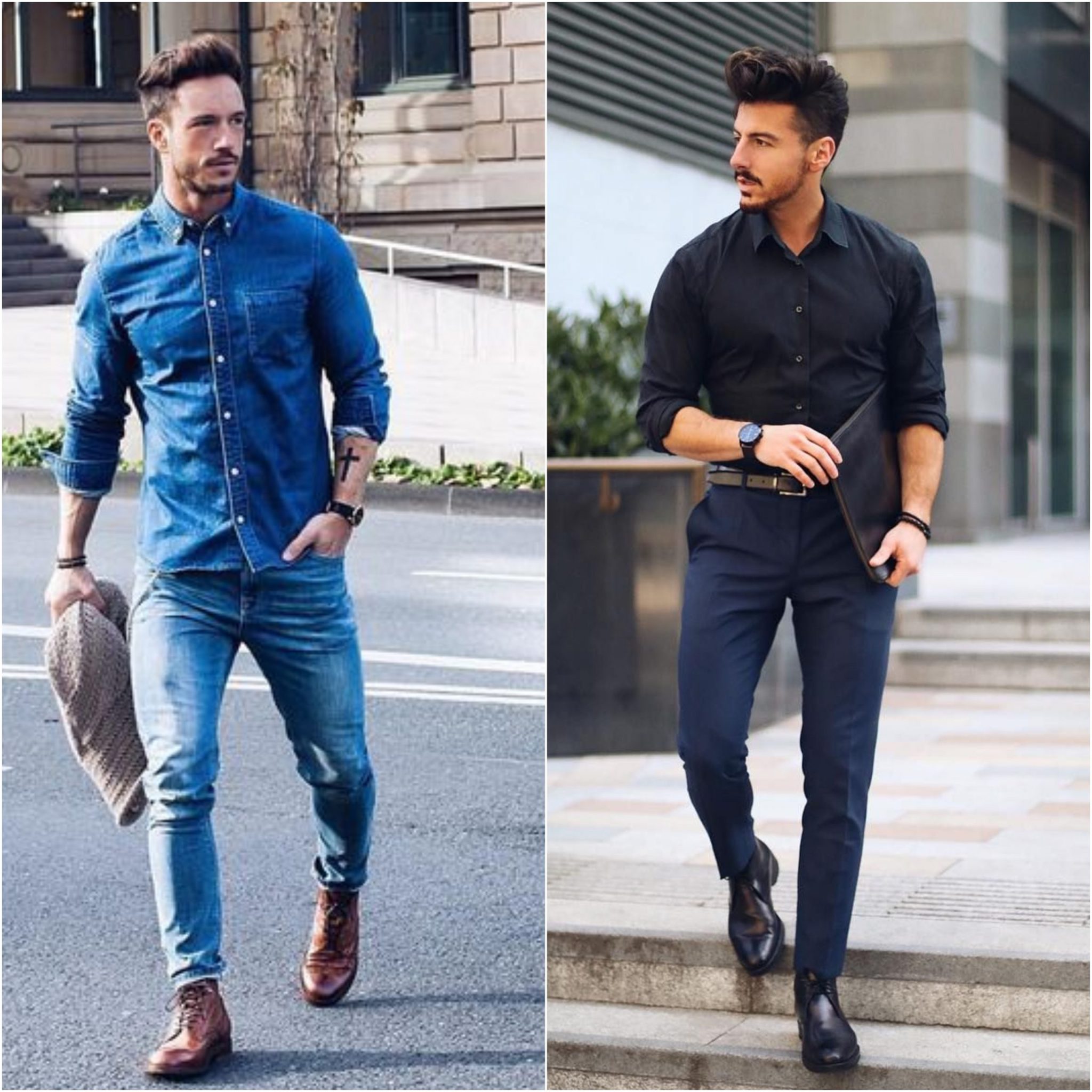
Being shorter does not limit your fashion choices. The right clothing proportions, colors, silhouettes, and styling techniques can help create a balanced appearance and make your outfits look more polished. Instead of focusing on strict fashion rules, the goal is to understand what works with your natural proportions.
Whether you prefer casual outfits, office wear, dresses, denim, or streetwear, these fashion styling tips for short height can help you create looks that feel comfortable, confident, and flattering.
Why Proportion Matters for Shorter People
When you have a shorter frame, clothing proportions can have a noticeable effect on your overall appearance. Oversized garments, excessively long trousers, or jackets that extend far beyond the hips can sometimes visually overwhelm the body.
This does not mean you need to avoid oversized fashion completely. Instead, choose relaxed pieces carefully and balance them with more structured or streamlined items.
The objective is to create visual continuity from head to toe rather than dividing the body into too many contrasting sections.
Best Fashion Styling Tips for Short Height
| Styling Tip | What to Wear | Effect |
|---|---|---|
| High-waisted bottoms | High-rise trousers or jeans | Creates the appearance of longer legs |
| Monochromatic outfits | Similar shades from top to bottom | Creates visual continuity |
| Shorter jackets | Cropped or waist-length layers | Keeps proportions balanced |
| Vertical details | Pinstripes and long seams | Draws the eye vertically |
| Proper trouser length | Minimal fabric pooling | Creates a cleaner silhouette |
| V-neck tops | V-neck shirts and dresses | Adds visual length |
| Pointed footwear | Pointed flats or heels | Extends the visual line |
| Smaller prints | Subtle patterns | Keeps proportions balanced |
| Tailored clothing | Well-fitted garments | Creates a polished shape |
| High-rise skirts | Waist-defining silhouettes | Visually lengthens the lower body |
Choose High-Waisted Bottoms
High-waisted trousers, jeans, and skirts can be particularly useful for shorter frames because they visually position the waist higher.
This can create the impression of longer legs and a more elongated silhouette.
Try pairing high-rise trousers with a tucked-in blouse or fitted top. A cropped jacket can reinforce the higher waistline.
High-waisted jeans also work well with simple T-shirts and sneakers for casual outfits.
The most important factor is comfort. Choose a rise that fits securely without digging into the waist.
Try Monochromatic Outfits
Wearing similar colors from head to toe can create a continuous visual line.
An all-black outfit is a classic example, but monochromatic dressing can work with almost any color. Try cream with beige, navy with blue, or different shades of gray.
You do not need every piece to be exactly the same shade. Using closely related tones can create a similar effect while adding subtle depth.
Monochromatic outfits are also easy to style because fewer contrasting colors make the outfit appear more cohesive.
Pay Attention to Trouser Length
Trouser length can significantly affect proportions.
Excess fabric pooling around the ankles can make legs appear visually shorter. For many silhouettes, trousers that end neatly at the shoe create a cleaner appearance.
Cropped trousers can also work, but the exact length matters. A very short crop can create a strong horizontal line across the leg, while an ankle-length cut may look more streamlined.
Wide-leg trousers should also be selected carefully. A longer, clean drape can work beautifully, provided the trousers are not excessively long or overwhelming.
Wear High-Rise Jeans
High-rise jeans are among the easiest everyday pieces for creating a longer-looking silhouette.
Straight-leg, slim, bootcut, and wide-leg high-rise jeans can all work depending on your personal style.
Try pairing them with a tucked-in top or a shorter sweater. This visually emphasizes the waist and gives the lower half of the outfit more length.
For a casual look, high-rise jeans with a fitted T-shirt and low-profile sneakers can create a simple, balanced outfit.
Choose Jackets Carefully
The length of a jacket can change the appearance of your proportions.
Cropped and waist-length jackets often work well because they prevent the upper body from appearing visually longer than the legs.
Short denim jackets, cropped blazers, bomber jackets, and waist-length leather jackets can all be useful.
Long coats are not off-limits, however. A long, streamlined coat worn open over a monochromatic outfit can create a strong vertical line.
Use Vertical Lines
Vertical details naturally draw the eye up and down.
Pinstripes, long open coats, vertical seams, elongated cardigans, and trousers with a clean crease can all contribute to a more elongated appearance.
You do not need to wear obvious stripes. Even the structure of a long open jacket can create vertical movement.
Avoid relying exclusively on horizontal details if your goal is to create a longer visual line.
Choose the Right Dress Length
Dress length can influence the overall balance of a shorter frame.
Mini, knee-length, midi, and maxi dresses can all work. The key is selecting a length that complements your proportions.
A dress that ends around the narrowest part of the leg can sometimes create a particularly balanced appearance. Maxi dresses can also look elegant when they have a clean, uninterrupted silhouette.
High-waisted or waist-defined dresses can visually lengthen the lower body.
V-Necklines Can Add Length
V-neck tops and dresses create a vertical opening that can visually lengthen the upper body.
This can be especially useful when combined with simple, streamlined silhouettes.
You can also experiment with open collars, wrap tops, and vertically oriented necklines.
However, you do not need to avoid crew necks or high necklines if you love them. Personal style should always come first.
Choose Smaller Patterns
Large, oversized prints can sometimes overwhelm a smaller frame. Smaller or medium-scale patterns can create a more balanced appearance.
This is not a strict rule. A bold oversized print can absolutely work if styled intentionally.
If you want a more streamlined appearance, try small florals, narrow stripes, subtle checks, or understated geometric patterns.
The scale of the pattern should generally feel proportionate to the garment and your frame.
Find the Right Oversized Fit
Oversized fashion is popular, and shorter people do not need to avoid it.
The key is choosing one oversized element at a time.
For example, pair an oversized sweatshirt with straight-leg trousers or a cropped jacket with wide-leg pants.
You can also choose oversized garments with intentional structure. A relaxed blazer with defined shoulders may look more polished than a shapeless oversized jacket.
Balance is more important than simply choosing smaller sizes.
Wear Shoes That Complement Your Outfit
Footwear can influence the visual length of an outfit.
Pointed-toe shoes can create a longer visual line than very rounded styles. Low-profile sneakers can also work well because they maintain a clean connection between the foot and trouser line.
If you want additional height, heels, wedges, or platform shoes can provide it, but they are not necessary.
A shoe that closely matches your trousers can also reduce visual interruption, particularly with full-length pants.
Match Shoes and Bottoms
Creating a similar color connection between footwear and trousers can make the lower body appear more continuous.
For example, black trousers with black shoes create a seamless appearance. Similarly, beige trousers can work with tan or neutral footwear.
This technique can be particularly effective with wide-leg or full-length trousers.
It is not necessary to match everything exactly. Closely related shades can achieve a similar result.
Try Tucked-In Tops
Tucking a shirt or blouse into high-waisted trousers can help define the waist and visually lengthen the legs.
If a full tuck feels too formal, try a partial tuck or a shorter top.
For casual outfits, a fitted or cropped T-shirt with high-rise jeans can create a similar effect.
The goal is to avoid creating an unnecessarily long upper-body section.
Accessorize Strategically
Accessories can help direct attention and reinforce your overall proportions.
Long necklaces, vertically oriented scarves, smaller handbags, and streamlined belts can complement an elongated silhouette.
Very large bags can sometimes overwhelm a smaller frame, especially when worn close to the body. If you prefer oversized bags, choose one with a structured shape and keep the rest of the outfit relatively simple.
Best Casual Outfits for Shorter Frames
For everyday wear, try high-rise straight-leg jeans with a tucked-in T-shirt and cropped denim jacket.
Another option is high-waisted wide-leg trousers with a fitted knit top and low-profile sneakers.
For summer, a high-waisted skirt with a tucked-in blouse can create a balanced silhouette. During colder weather, try a short jacket over a streamlined sweater and high-rise trousers.
These combinations are easy to adapt without following rigid fashion rules.
Office Fashion for Shorter Women
Professional clothing benefits particularly from careful tailoring.
Try high-rise trousers with a tucked-in blouse and a fitted or slightly cropped blazer. A monochromatic suit can also create a sophisticated continuous line.
For dresses, consider waist-defined midi styles or simple sheath silhouettes.
Avoid excessive fabric around the shoulders, waist, or ankles. Well-tailored clothing generally creates a cleaner and more confident appearance.
Common Styling Mistakes to Avoid
There are no absolute fashion rules for shorter people, but some choices can make proportions feel less balanced.
Avoid buying clothing solely according to standard size labels. A garment may technically be your size but still have proportions that do not suit your frame.
Excessively long sleeves, trouser hems, and oversized jackets can also require unnecessary alterations.
Another common mistake is following every “petite” fashion rule without considering personal preference. If you love maxi dresses, wide-leg trousers, or oversized coats, you should wear them.
Good styling is about adapting proportions, not limiting your wardrobe.
Tailoring Makes a Difference
One of the most valuable fashion investments for a shorter frame is professional tailoring.
Simple adjustments such as shortening trouser hems, reducing sleeve length, or adjusting a jacket can dramatically improve how clothing fits.
Off-the-rack garments are made to accommodate a wide range of body proportions, so alterations can make them feel much more customized.
Fit should generally be prioritized over brand or trend.
Final Thoughts
The best fashion styling tips for short height focus on proportion, fit, and visual balance rather than strict rules. High-rise bottoms, monochromatic outfits, well-tailored clothing, shorter jackets, vertical details, and properly fitted trousers can all help create a more streamlined appearance.
However, looking taller should never be treated as a requirement for looking stylish. The most important part of fashion is wearing clothing that makes you feel comfortable and confident.
Experiment with different silhouettes, colors, layers, and proportions to discover what works best for your body and personal style. With thoughtful styling, every height can look fashionable, balanced, and distinctive.