Starting a fashion brand is about more than creating stylish clothes. In a competitive market, your brand needs a clear identity that customers can recognize, remember, and connect with. Strong fashion branding can help a startup stand out, build trust, and turn first-time buyers into loyal customers.
Here are some effective fashion branding ideas for startups.
1. Define Your Brand Personality
Before designing a logo or choosing colors, decide what your brand represents. Is it modern and minimalist, bold and rebellious, elegant and luxurious, or youthful and playful?
Your brand personality should influence everything from your product designs and photography to your website and social media content.
For example, a streetwear startup might use an energetic and edgy identity, while a sustainable fashion label may focus on natural colors, simple visuals, and an environmentally conscious message.
2. Create a Memorable Brand Name
A good fashion brand name should be easy to remember, pronounce, and search for online. Ideally, it should also reflect the personality or positioning of your business.
Keep the name distinctive and avoid choosing something too similar to an established fashion label. Before committing, check domain availability and relevant social media usernames.
3. Invest in a Strong Visual Identity
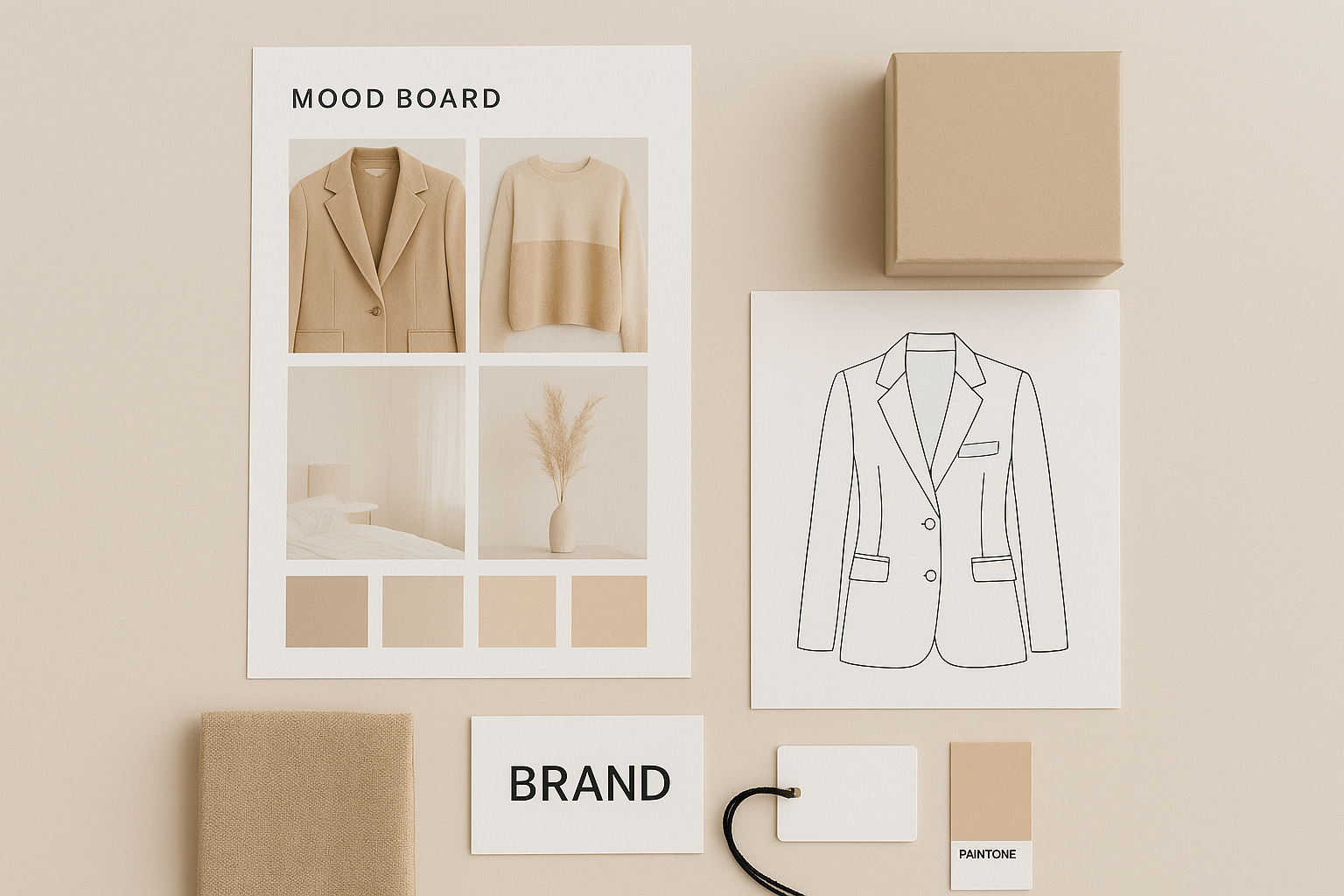
Your visual identity is one of the first things customers notice. It should include a recognizable logo, color palette, typography, photography style, packaging, and other visual elements.
Consistency is key. Whether customers see your Instagram post, website, shopping bag, or product label, the brand should feel like the same business.
4. Develop a Signature Style
Successful fashion brands often become associated with a recognizable aesthetic. As a startup, developing your own signature style can make your products easier to identify.
This could be a particular color combination, silhouette, pattern, fabric, graphic style, or design detail. The goal is to create something that feels distinctly yours rather than simply following every current trend.
5. Tell a Compelling Brand Story
People often connect with the story behind a fashion brand as much as the products themselves.
Explain why you started the company, what inspired the collection, and what problem you want to solve. If your brand focuses on craftsmanship, sustainability, local production, affordability, or self-expression, make that part of your story.
A genuine story can make a small startup feel more personal and memorable.
6. Build a Strong Social Media Presence
Social media can be one of the most powerful branding tools for a fashion startup. Platforms such as Instagram, TikTok, and Pinterest can help you showcase products while building a visual community around your brand.
Instead of posting only product photos, experiment with:
- Behind-the-scenes content
- Styling tips
- Founder stories
- Customer-generated content
- Short fashion videos
- Collection previews
- Mood boards
- Packaging videos
- Influencer collaborations
Focus on creating a recognizable content style rather than simply chasing viral trends.
7. Use Influencer and Creator Partnerships
You don’t necessarily need to work with celebrities. Micro-influencers and niche content creators can often provide a more authentic connection with specific audiences.
Choose creators whose style and values naturally match your brand. A smaller creator with an engaged audience can sometimes be more valuable to a startup than a large account with low audience interaction.
8. Make Packaging Part of the Brand
Packaging is an opportunity to create a memorable customer experience.
Consider branded tissue paper, thank-you cards, stickers, reusable bags, custom tags, or distinctive boxes. Even simple packaging can feel premium when the design is thoughtful and consistent.
For an eco-conscious brand, sustainable packaging can reinforce the company’s positioning while reducing unnecessary materials.
9. Create a Brand Community
Instead of focusing only on selling products, build a community around your fashion brand.
Encourage customers to share how they wear your pieces, feature their content on your social channels, create exclusive communities, or organize small events and pop-ups.
When customers feel like they are part of something, they are more likely to develop an emotional connection with the brand.
10. Create Limited Collections
Limited drops can create excitement and give customers a reason to pay attention to your brand. Rather than releasing large collections constantly, startups can experiment with smaller, carefully planned launches.
A limited collection can also help a new brand test designs and understand what customers actually want before investing heavily in inventory.
11. Make Your Website Reflect Your Brand
Your website should look and feel like an extension of your brand identity. Use consistent fonts, colors, photography, messaging, and product descriptions.
Make the shopping experience simple and mobile-friendly. High-quality product images, clear sizing information, straightforward navigation, and transparent policies can also help establish trust.
12. Be Consistent
One of the most important branding lessons for startups is consistency.
Your logo, packaging, website, social media, advertisements, product labels, and customer communication should all communicate the same identity.
You don’t need an enormous marketing budget to build a recognizable fashion brand. You need a clear idea of who you are, who you’re targeting, and why customers should choose you.
Final Thoughts
Fashion branding is ultimately about creating an identity that people want to be associated with. Startups can compete with larger brands by being distinctive, authentic, consistent, and closely connected to their audience.
Start with a clear brand personality, build a recognizable visual identity, tell an authentic story, and use social media to create a community around your products. With the right strategy, even a small fashion startup can develop a brand that feels memorable, professional, and desirable.