Photo by Mario Amé on Unsplash
Replacing deteriorating timber roofline components with modern uPVC alternatives is a practical and cost-effective improvement that thousands of UK homeowners undertake each year, and companies like RePlace Windows Limited provide full installation services covering fascias, soffits, guttering, and bargeboards. Understanding what each component does and how to choose the right specification helps homeowners make informed decisions and get the best possible result from a roofline replacement project.
Understanding the Role of Each Roofline Component
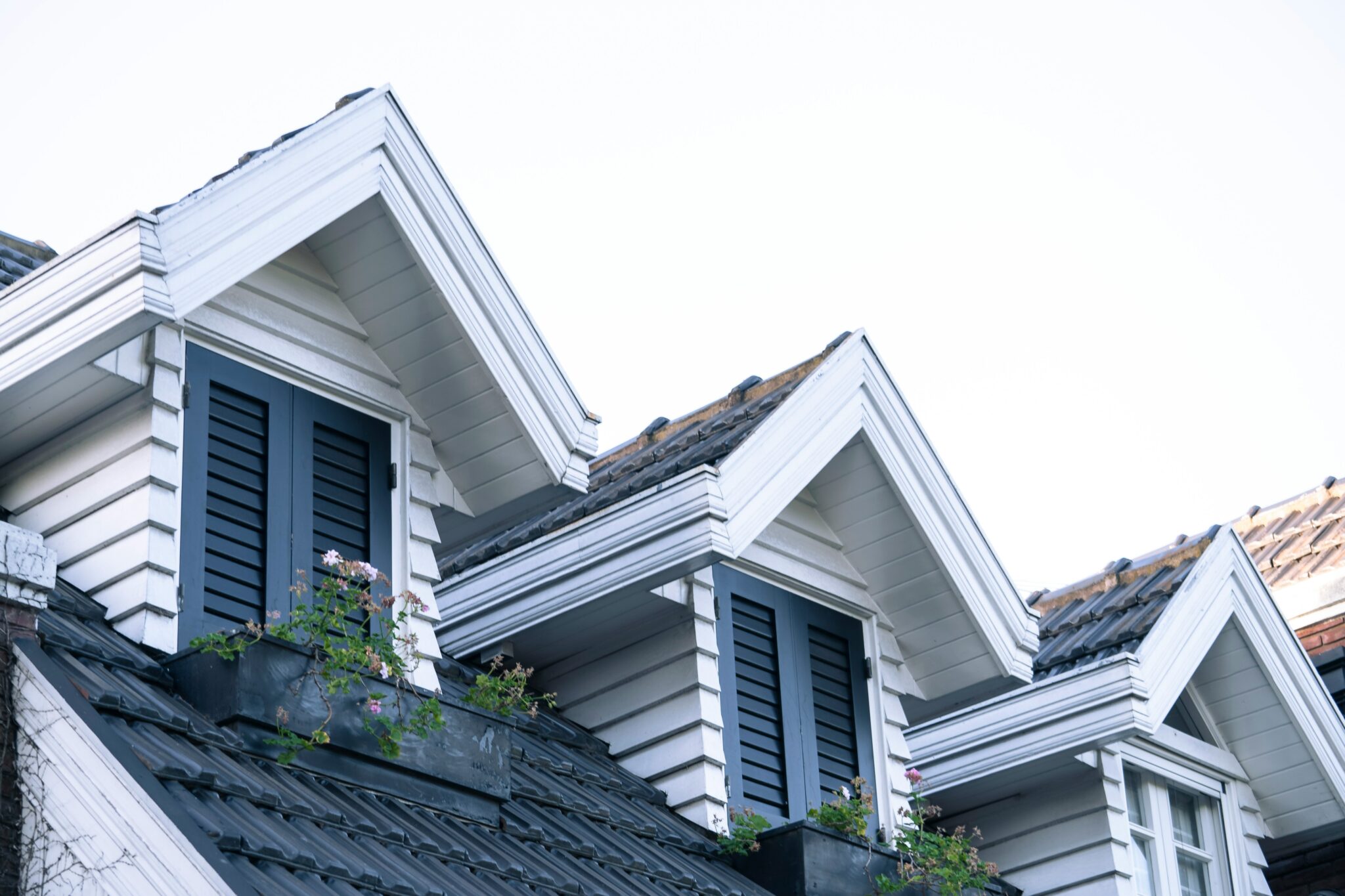
Fascias are the boards that run horizontally along the lower edge of the roof, sitting directly in front of the roof rafters and carrying the weight of the guttering along their outer edge. Soffits sit underneath the fascias, closing the gap between the fascia board and the wall and providing a surface for ventilation points that allow air to circulate in the roof space. Guttering collects rainwater from the roof surface and channels it through downpipes to drains or water collection systems. Bargeboards are fitted along the sloping edges of a gable roof and protect the verge from wind-driven rain. Each component serves a specific protective purpose, and replacing them together is generally more cost-effective than addressing each one separately.
Signs That Your Roofline Needs Replacing
There are several clear signs that roofline components are reaching the end of their serviceable life and need replacing. Peeling, flaking, or discoloured paintwork on timber fascias and soffits usually indicates that moisture has penetrated the surface and the timber beneath is beginning to deteriorate. Visible cracking, splitting, or softness in the board material confirms that rot has taken hold. Guttering that sags, pulls away from the fascia, or overflows during normal rainfall indicates that fixings have failed or the guttering profile is no longer adequate. Any water staining on external walls below the guttering line suggests that the system is not functioning correctly and should be inspected as a matter of priority.
Choosing the Right Colour and Finish for Your Property
uPVC roofline products are manufactured in a wide range of colours and finishes, allowing homeowners to match or complement the existing appearance of their windows and doors. Bright white remains the most popular choice for its clean appearance and compatibility with most property styles. Cream or ivory tones offer a softer alternative that suits period properties and traditional architectural styles. Darker colours such as grey or black have grown in popularity alongside the trend for contemporary home design and work well with anthracite or dark grey windows and doors. Wood-effect finishes in rosewood or golden oak provide a traditional aesthetic without the maintenance requirement of genuine timber, making them a practical option for heritage-style properties.
The Impact of Roofline Condition on Property Value
The condition of the roofline has a direct impact on the overall appearance and perceived value of a property. Sagging gutters, peeling fascias, and visibly deteriorating soffits create a poor first impression that can affect how well-maintained a property appears to prospective buyers. Estate agents consistently note that properties with well-maintained rooflines present more favourably and attract stronger offers than equivalent properties with obvious signs of exterior neglect. For homeowners considering a sale, a roofline replacement is a relatively straightforward way to improve kerb appeal and demonstrate that the property has been properly looked after. The return on investment is typically strong compared to other exterior improvement projects of similar cost.
Combining Roofline Replacement with Other Exterior Improvements
Roofline replacement is often most economically carried out at the same time as other exterior improvement work that also requires scaffolding or access equipment. Combining a roofline replacement with chimney repointing, roof tile repairs, or external painting reduces the overall scaffolding cost per project and minimises the disruption caused by access equipment being erected around the property. Some homeowners choose to replace windows and roofline at the same time, allowing the exterior of the property to be fully updated in a single programme of work with a consistent colour scheme and finish across all components. Planning several projects together and obtaining a combined quotation often results in meaningful savings compared to commissioning each item of work separately.
Selecting a Qualified and Reliable Roofline Installer
Choosing the right installer is as important as choosing the right products. A reputable roofline contractor will carry out a thorough survey of the existing roofline condition before providing a written quotation, clearly identifying any underlying timber repairs that are needed before new uPVC components can be fixed securely. Public liability insurance should be confirmed before work begins, and all work should be carried out by trained operatives who are experienced in working safely at height. References from previous customers and a clearly written guarantee covering both materials and workmanship should be provided as standard by any contractor appointed to carry out the installation.